Although I’ve made a start to a researching for the summer project, I feel as though I definitely need to start producing some actual work if I want to have something to show by mid-September. I find that I often will do mainly research at the start of a project, which is useful for brainstorming different ways I can approach a topic but can sometimes leave me a bit overwhelmed with possibilities and not sure exactly where to start myself. I haven’t actually done a large amount of research as yet (I would like to research some more of the suggested artists as well as some of my own stuff) but some slightly unrelated sketching I was doing gave me an idea for a potential route I could explore. I was sketching some patterns that I found quite interesting from a sample of coral (annoyingly I didn’t take a note of the type of coral, but it was in a kind of museum/archive at the historical house “A La Ronde”) and it made me consider the idea of “deep storage” in the natural world. I’m no coral expert but the patterns created were, to me, reminiscent of tree rings in that they looked as though their growth could vary depending on particular conditions at the time. These links provide more information on this idea:
https://link.springer.com/article/10.1007/BF00215008
https://earthobservatory.nasa.gov/features/Paleoclimatology_CloseUp/paleoclimatology_closeup_2.php
- “The bands in the coral’s shell can change in thickness with changes in temperature, water clarity, or nutrient availability, so while each band can record the season’s climate, the interpretation of the record depends on how the three factors are related.”
- Also chemical composition and colour can be used to reveal other information about the coral’s past
- (this website has lots of other links to relevant pages such as “Paleoclimatology: A Record from the Deep” https://earthobservatory.nasa.gov/features/Paleoclimatology_SedimentCores )
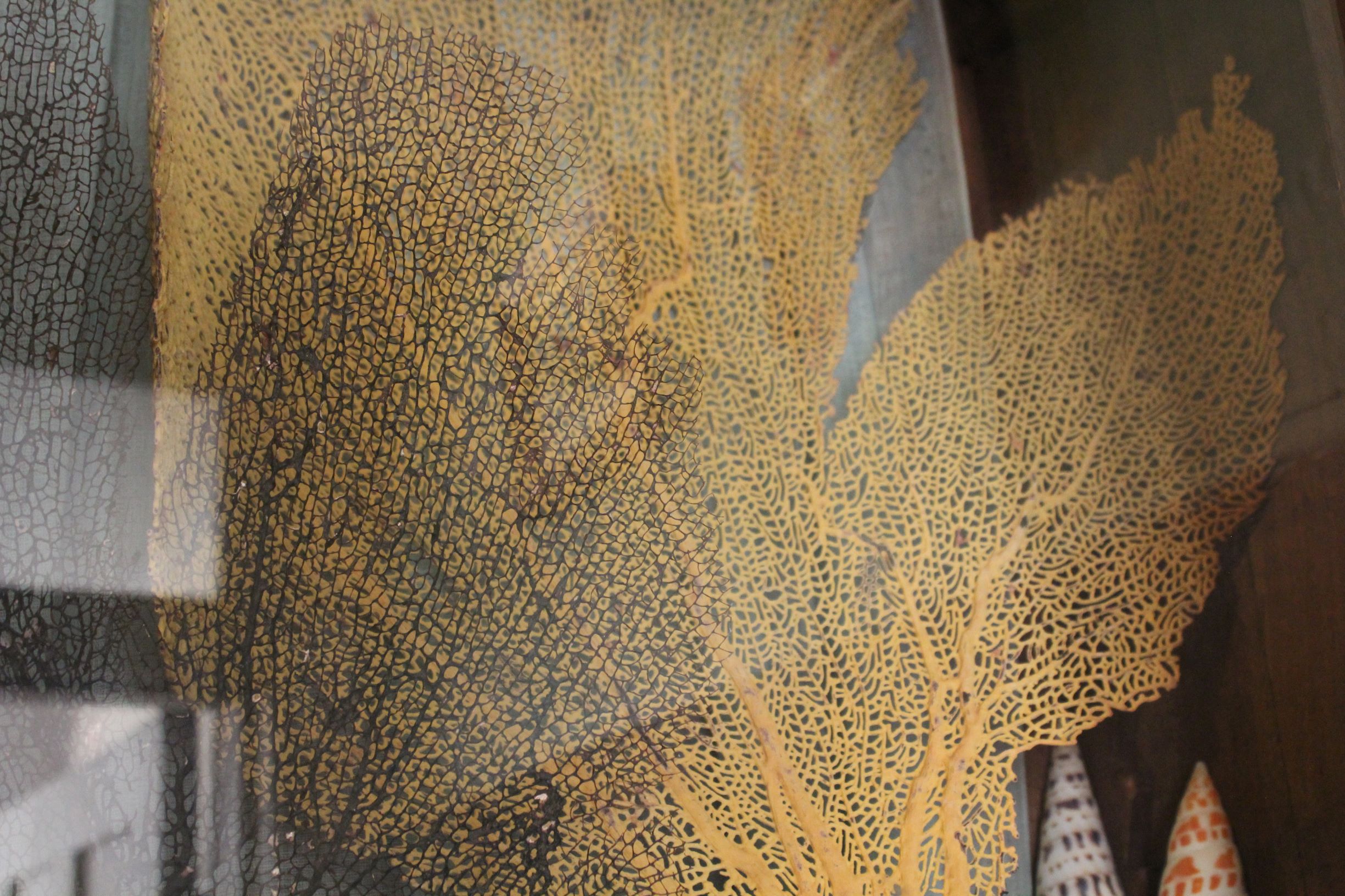
Coral specimen 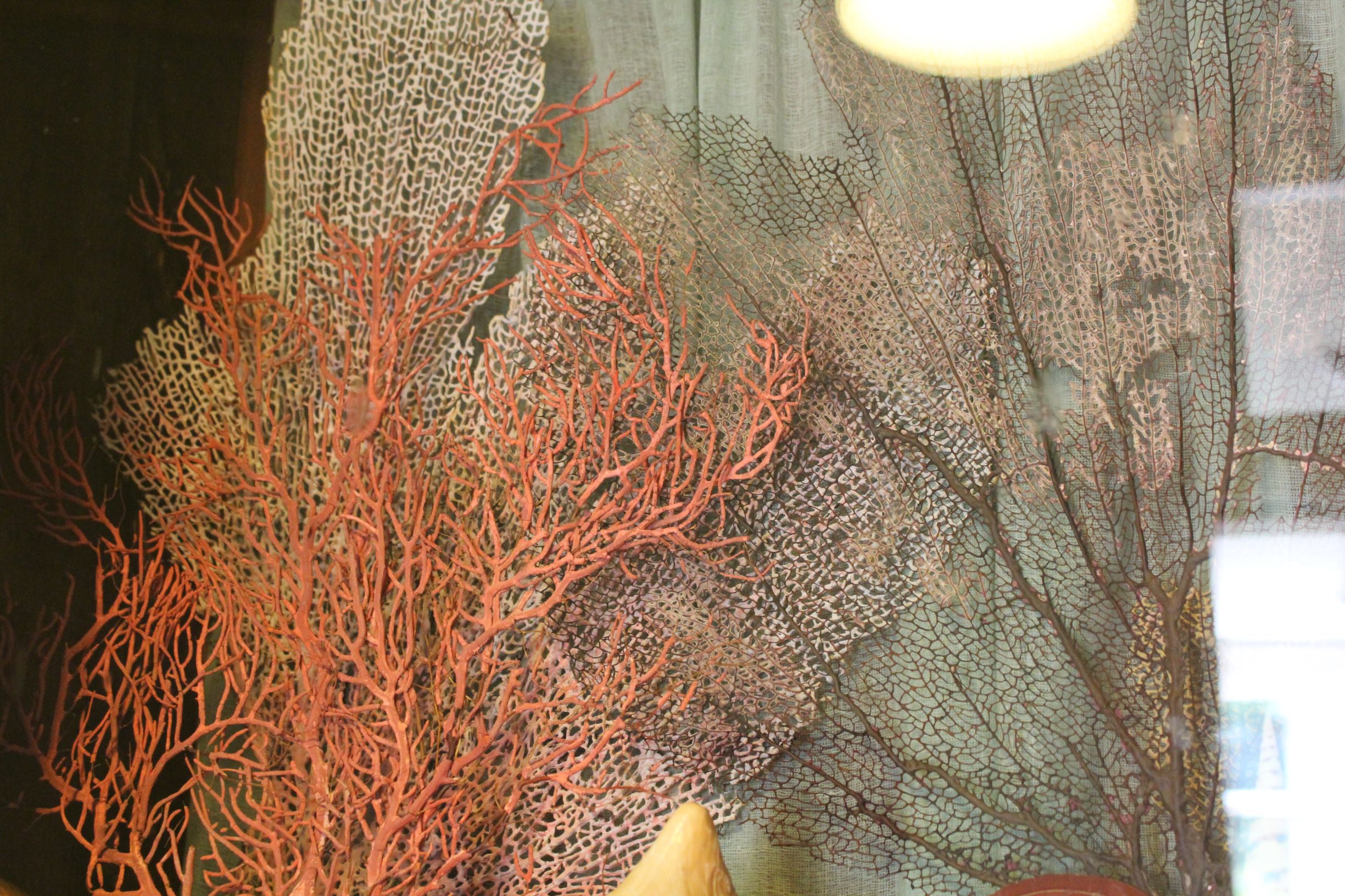
Coral specimen 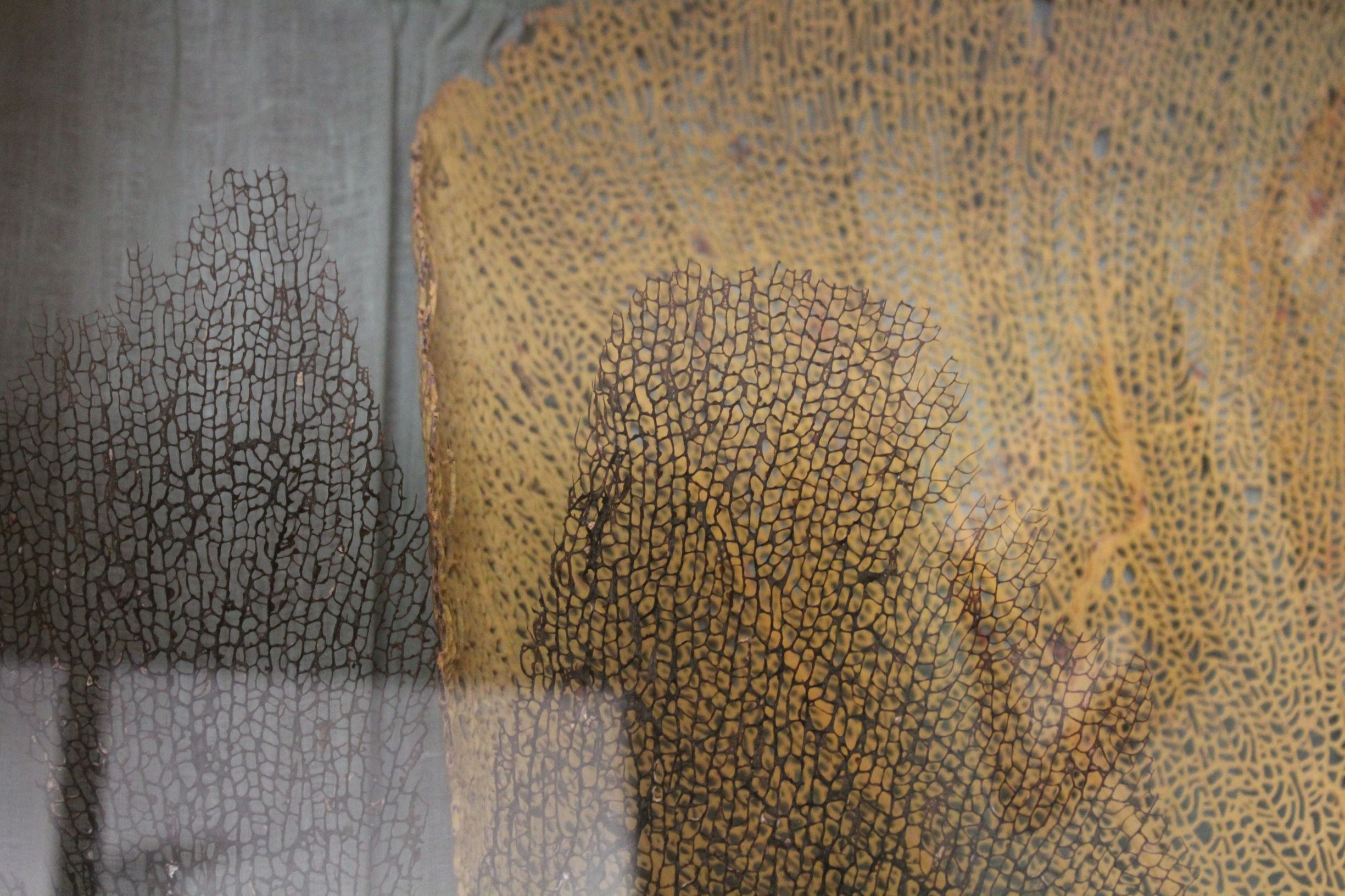
Coral specimen
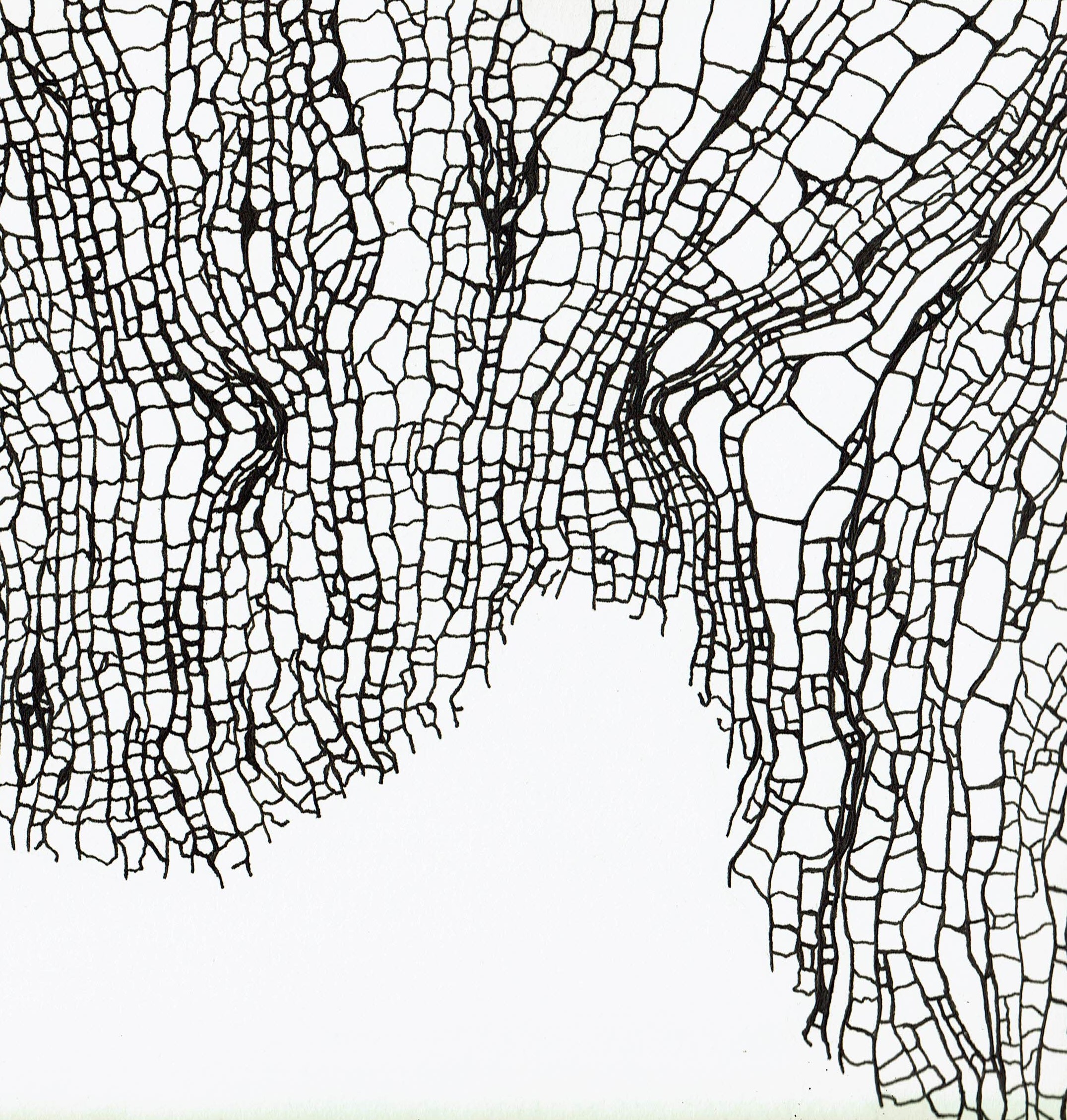
Coral sketch 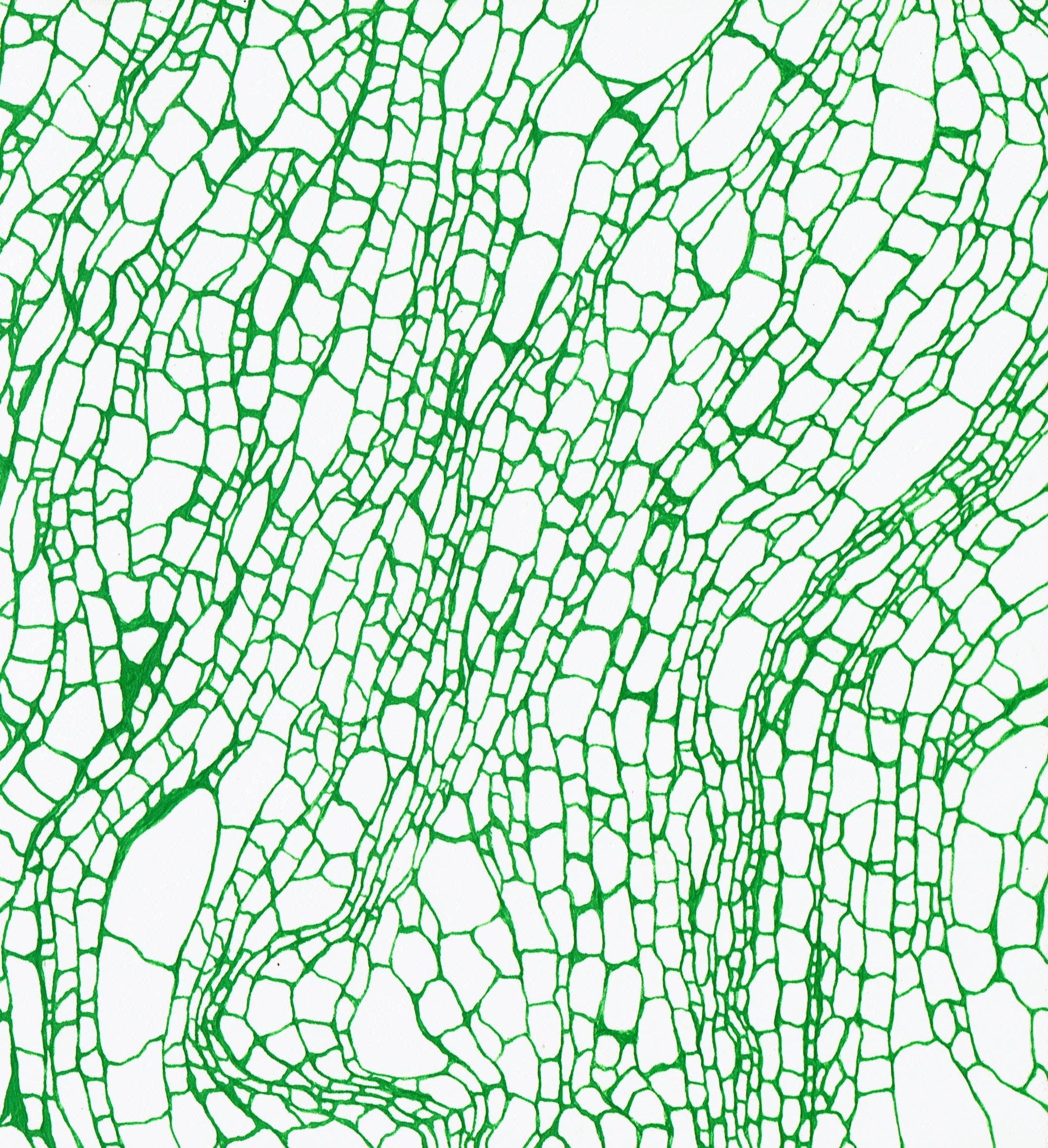
Coral sketch 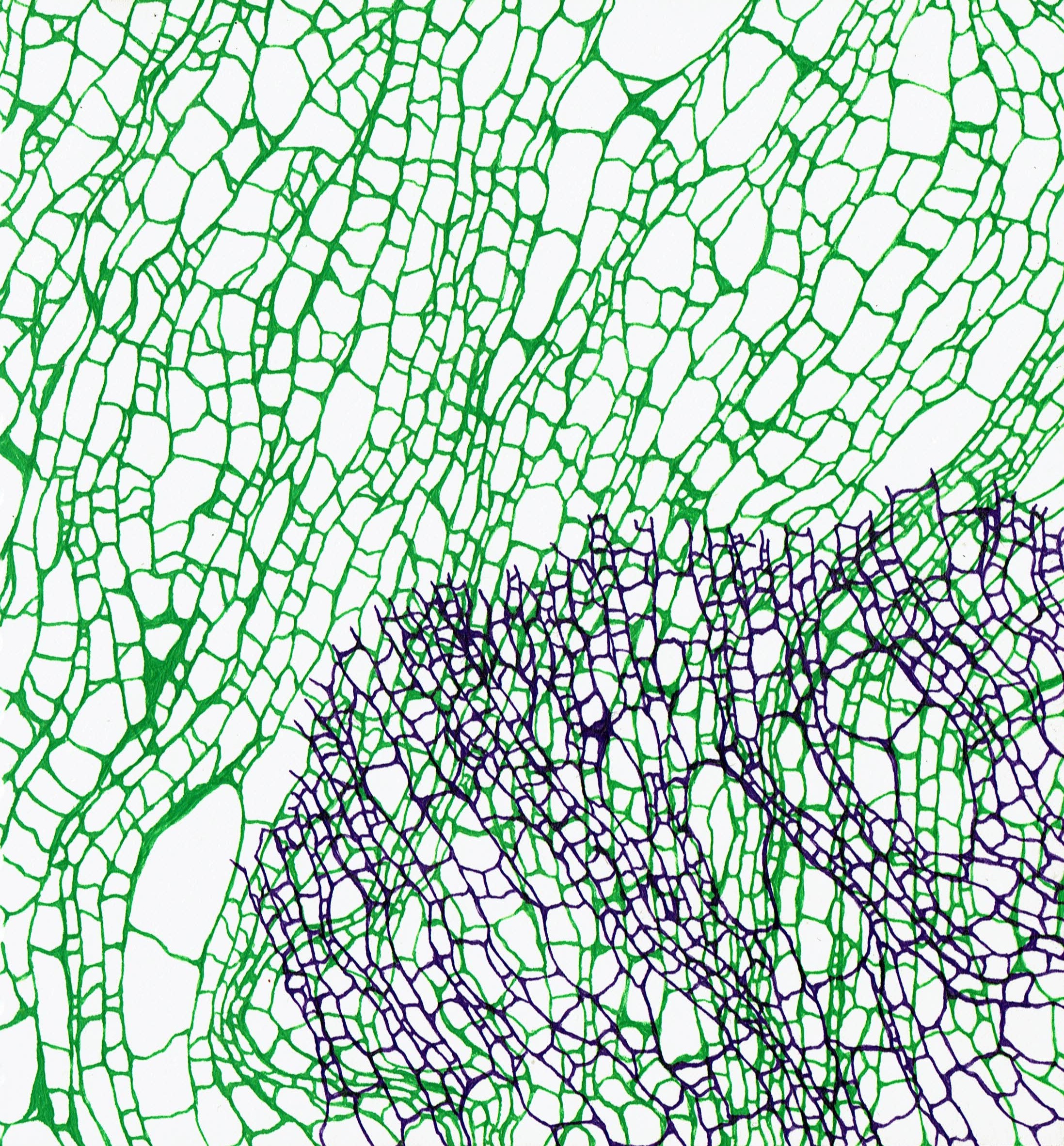
Coral sketch
After scanning in the sketches of the patterns in the coral, I briefly played around with inverting the colours:
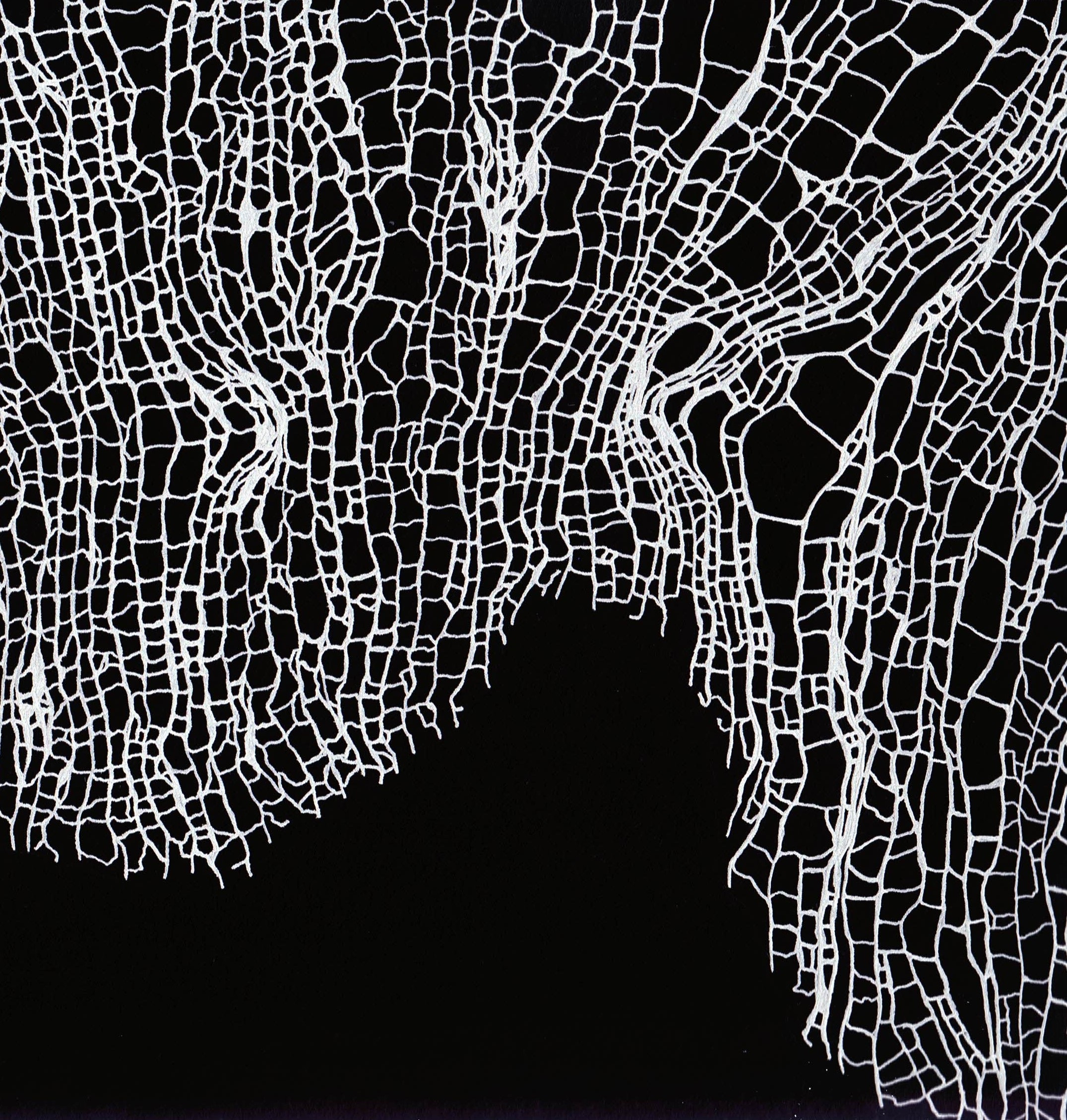
Inverted 
Inverted 
Inverted 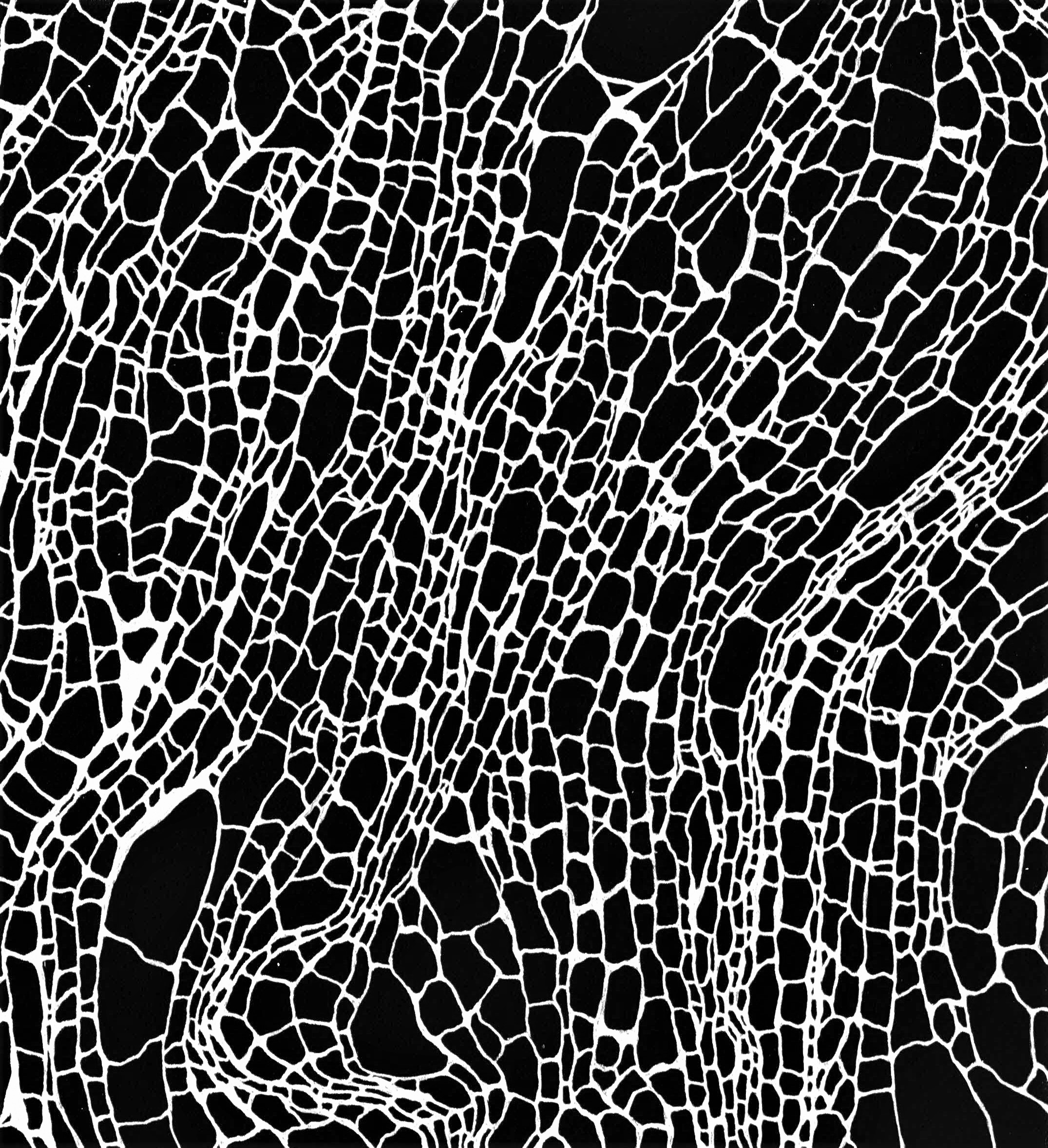
Inverted
This was something I did with a lot of my Foundation work; it’s so quick and easy to do but can sometimes produce really interesting results. I am often drawn to imagery that looks quite scientific (I think I like how it is abstract but equally is a factual representation of real-life information? a sort of truthful abstraction?) and inverted images like this do look a bit like something that can be seen down a microscope. This kind of work therefore fits quite well into what I was doing towards the end of my Foundation, in FMP, which is good as I feel the summer project is mainly a way for new tutors to get to know what kind of work we like doing.
The way that coral stores climate data in its structure relates well to “deep storage” in several aspects; the data is often many years old, so is in a sense looking into “deep time” (this links to the work of Rachel Sussman – The Oldest Living Things in the World), yet equally the data is not easy to extract due to both the coral’s location on the seafloor and the expertise required to understand its various complexities. There is a lot of potential for me to explore this idea of deep storage in the natural world: tree rings, rocks (different layers/sediments/fossils etc), the melting of glaciers and the permafrost (which release bubbles of gas from Earth’s early atmosphere, and is a good way to continue the commentary on the climate crisis that I had in my FMP work), landscape archaeology etc.
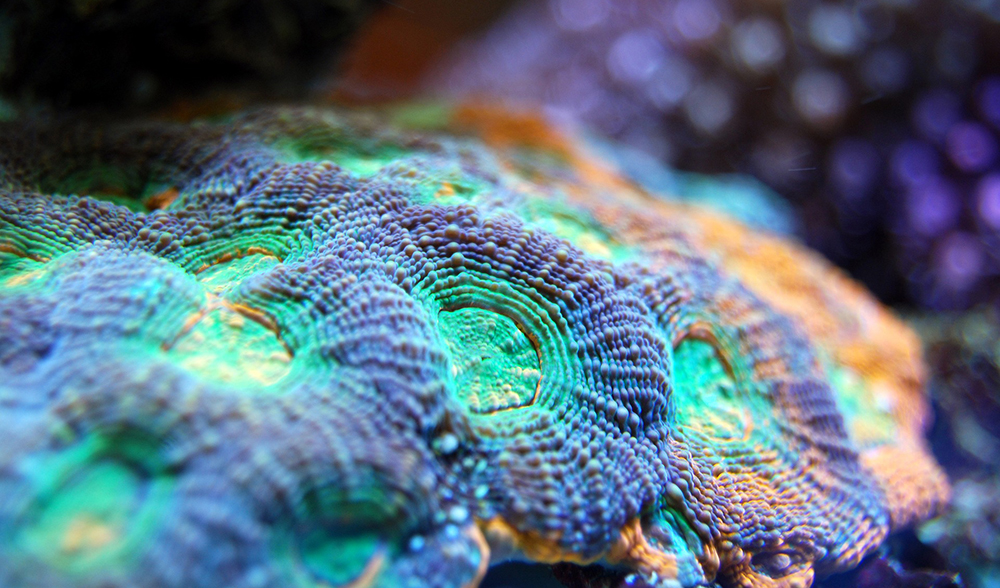
Image from https://www.australiangeographic.com.au/news/2017/10/growth-rings-similar-to-tree-rings-discovered-in-great-barrier-reef-coral/ 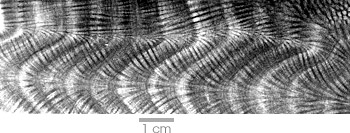
Image from https://earthobservatory.nasa.gov/features/Paleoclimatology_CloseUp/paleoclimatology_closeup_2.php 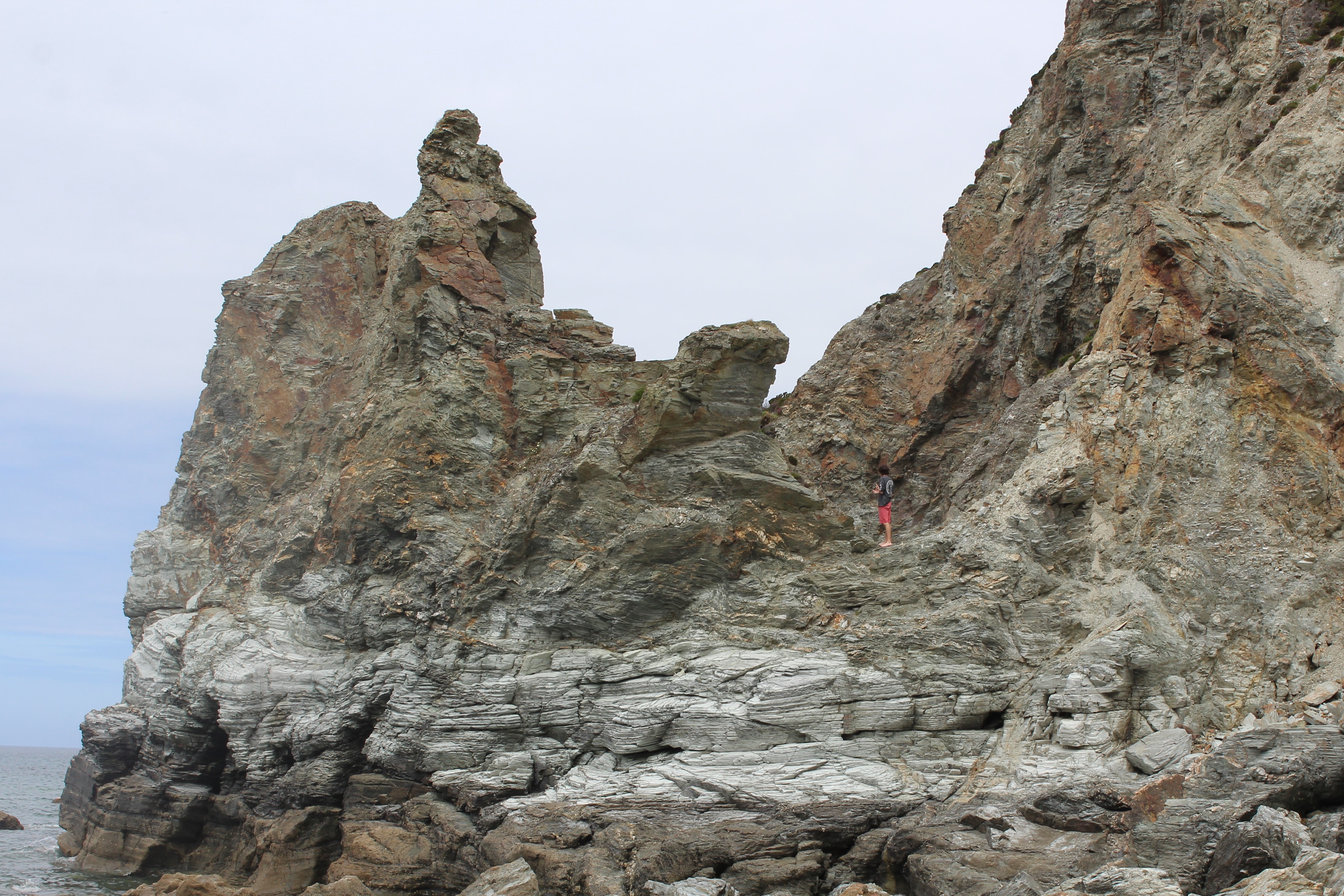
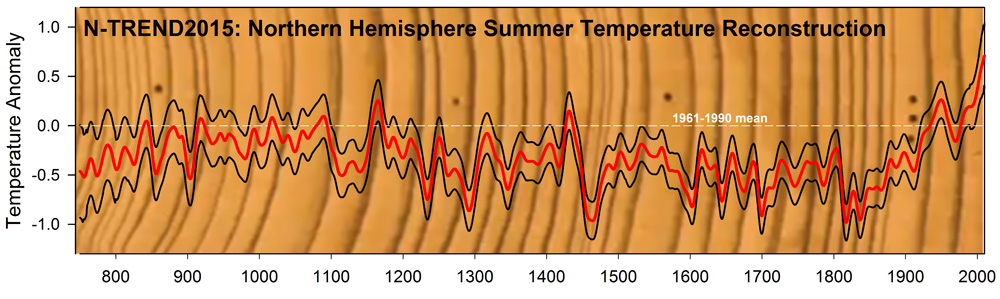
Image from https://site.extension.uga.edu/climate/2016/01/new-tree-ring-data-set-shows-nh-temperatures/
Next it would definitely be good to do a little more research, either some of the artists that were suggested around the topic or more of my own to do with the direction I might like to take the project in. However, I do need to be careful to avoid purely doing theoretical research and not creating any work of my own, so perhaps I should also make some studies based on some of the other things I’ve mentioned above such as tree rings and rock layers.

 Anna Harris