The RA’s current exhibition ‘Eco-Visionaries’ aims to ‘confront a planet in a state of emergency’; it ‘presents how creative practitioners are inquiring into the current ecological global transformations, producing a critique of their causes, raising awareness of their less visible aspects and anticipating alternative visions of how to respond and adapt to their consequences’. In other words, as well as exhibiting art that responds to and speculates upon the current climate crisis, the work displayed also aims to make a marked difference to the environment and our treatment of it. This is even apparent within the assembly of the exhibition itself: panels, furniture and plinths were made out of reclaimed materials and new materials were used in their standard sizes to avoid any waste during production. This is an interesting side to exhibiting that can be overlooked; the art industry deals in vast amounts of money and materials so it is vital that this power is not abused. So often it is tempting to feel as though only the most perfect material will be suitable in an artwork, whereas in reality we need to become more accepting of using reclaimed materials that are available to us, and a big art gallery leading the way like this will only help this change in mindset.
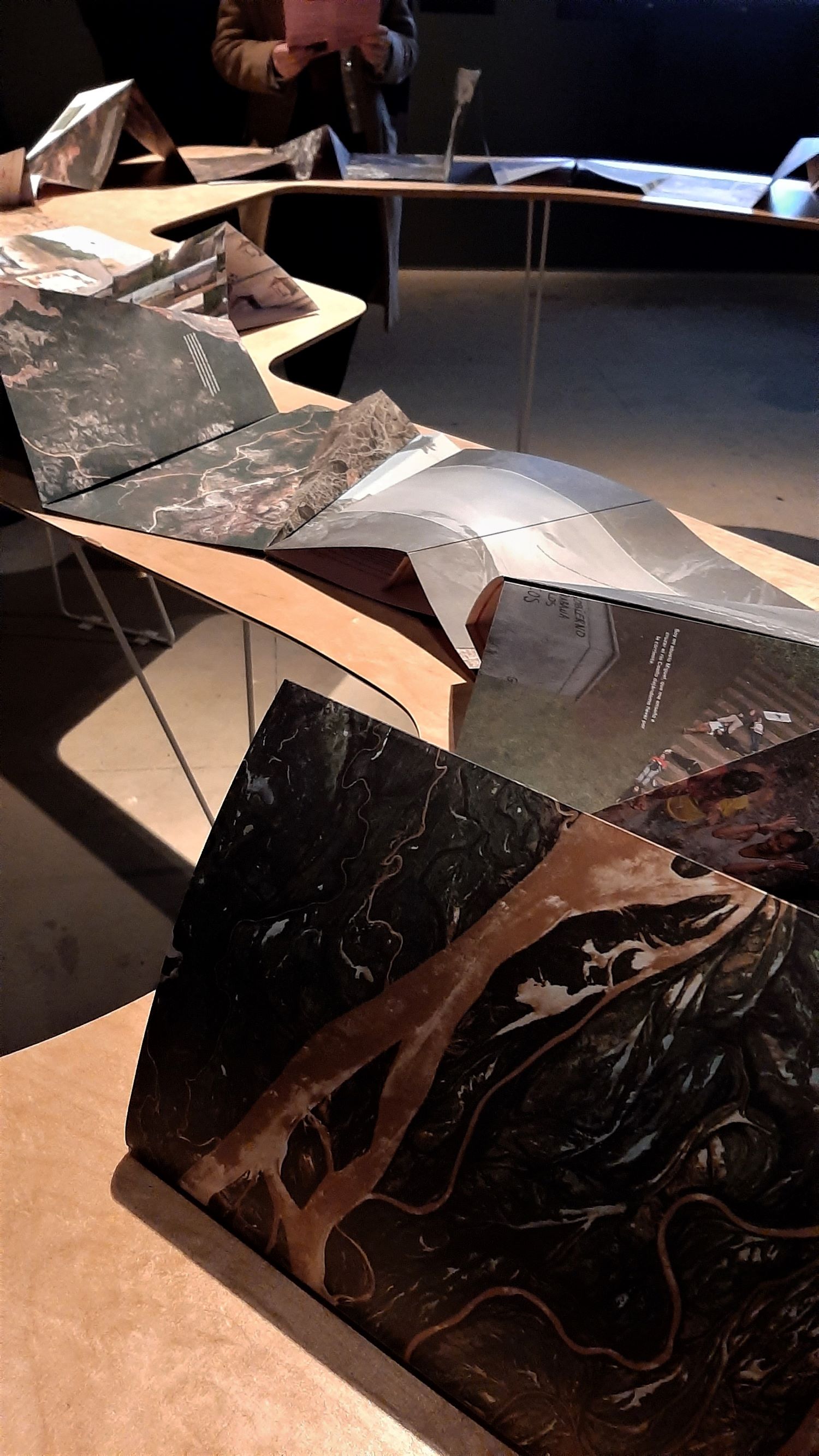
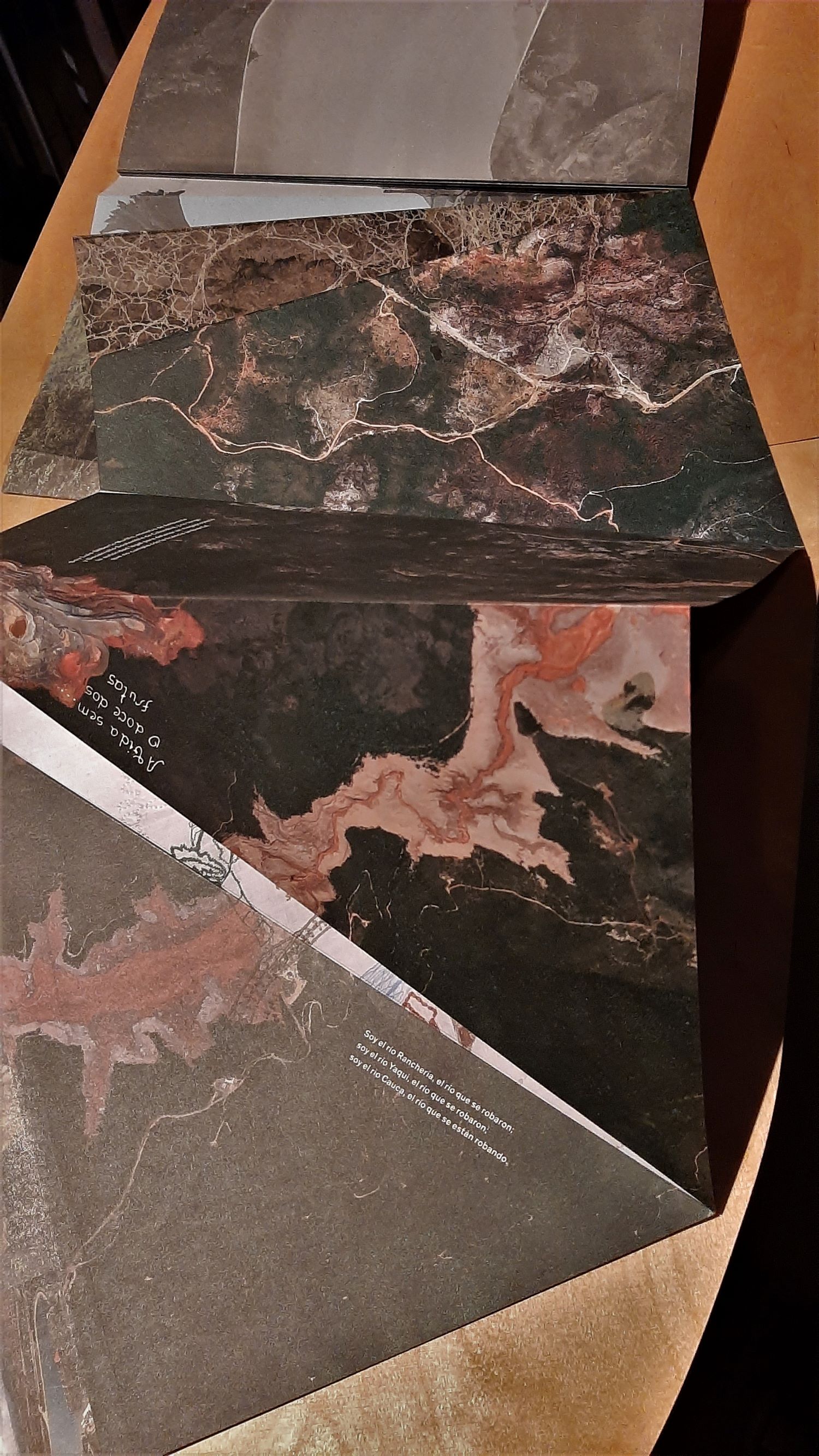
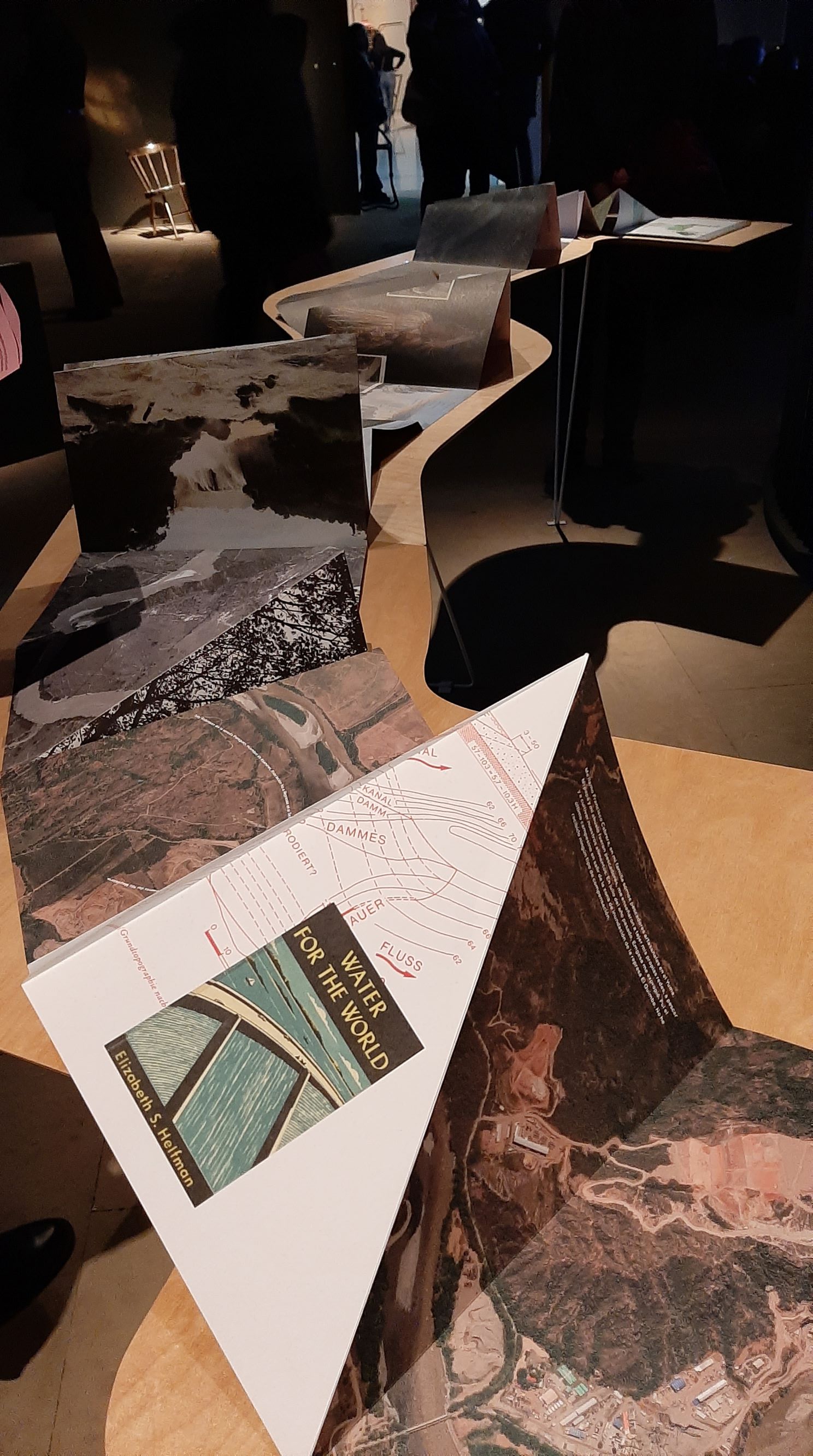
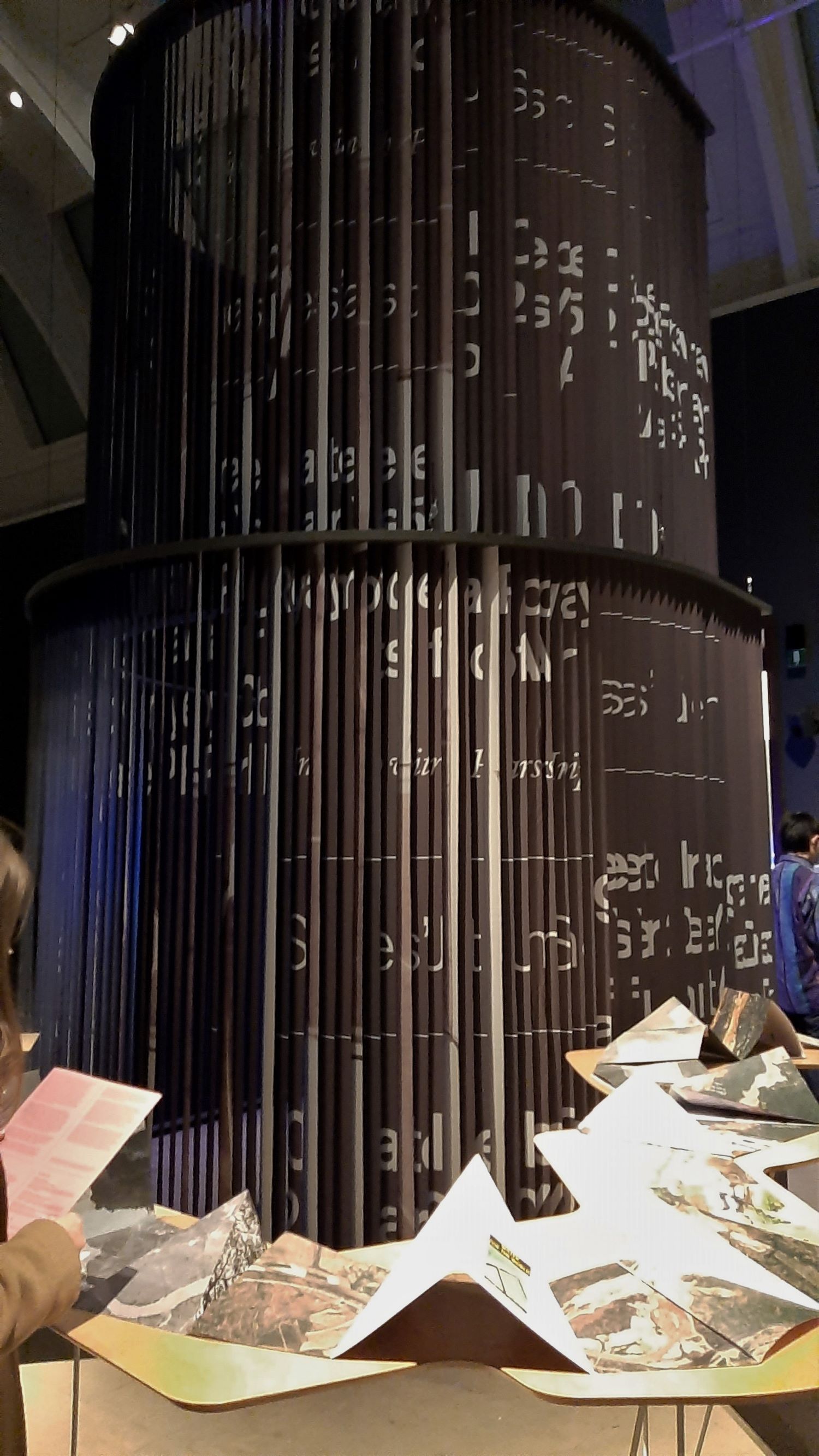
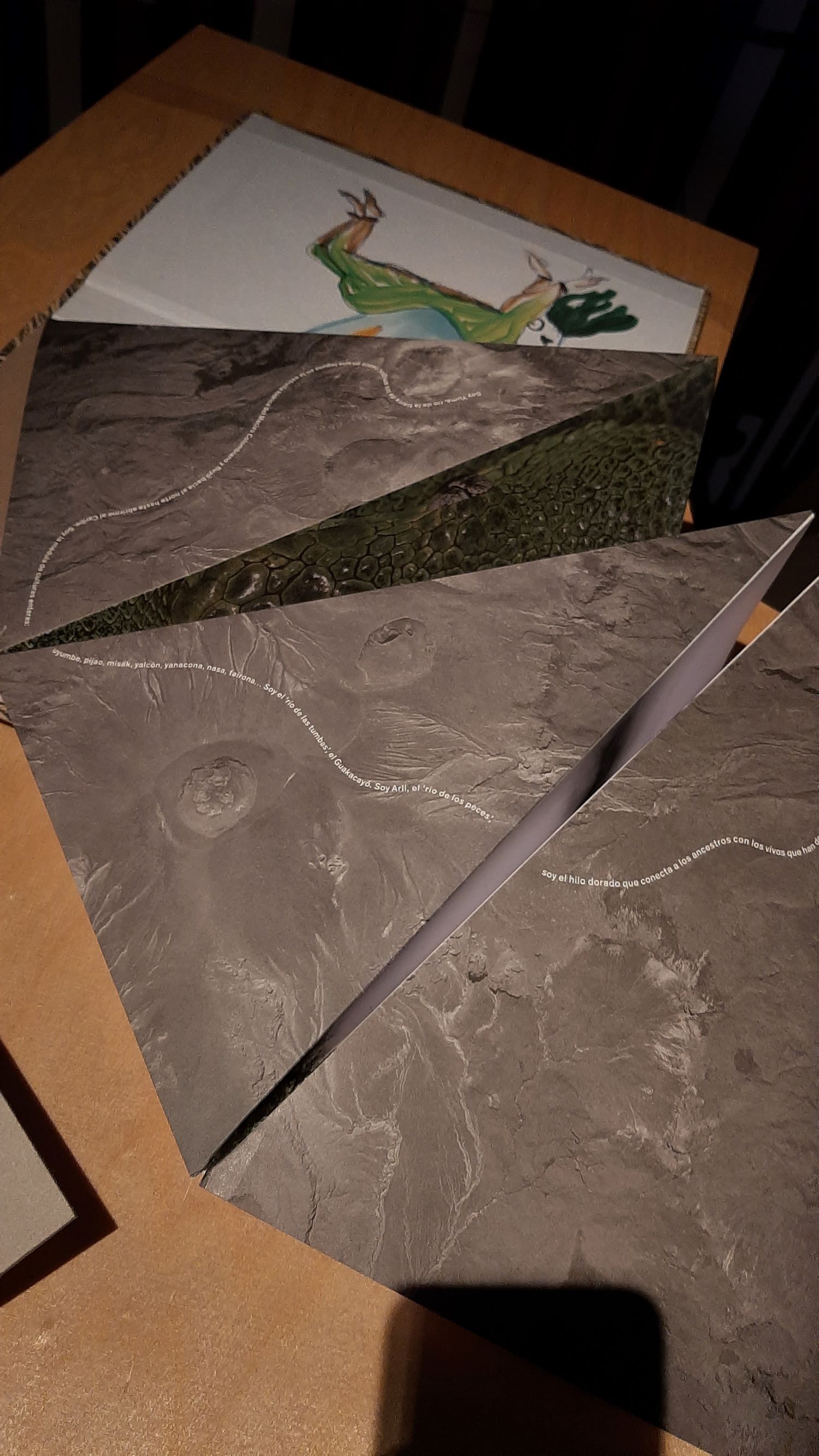
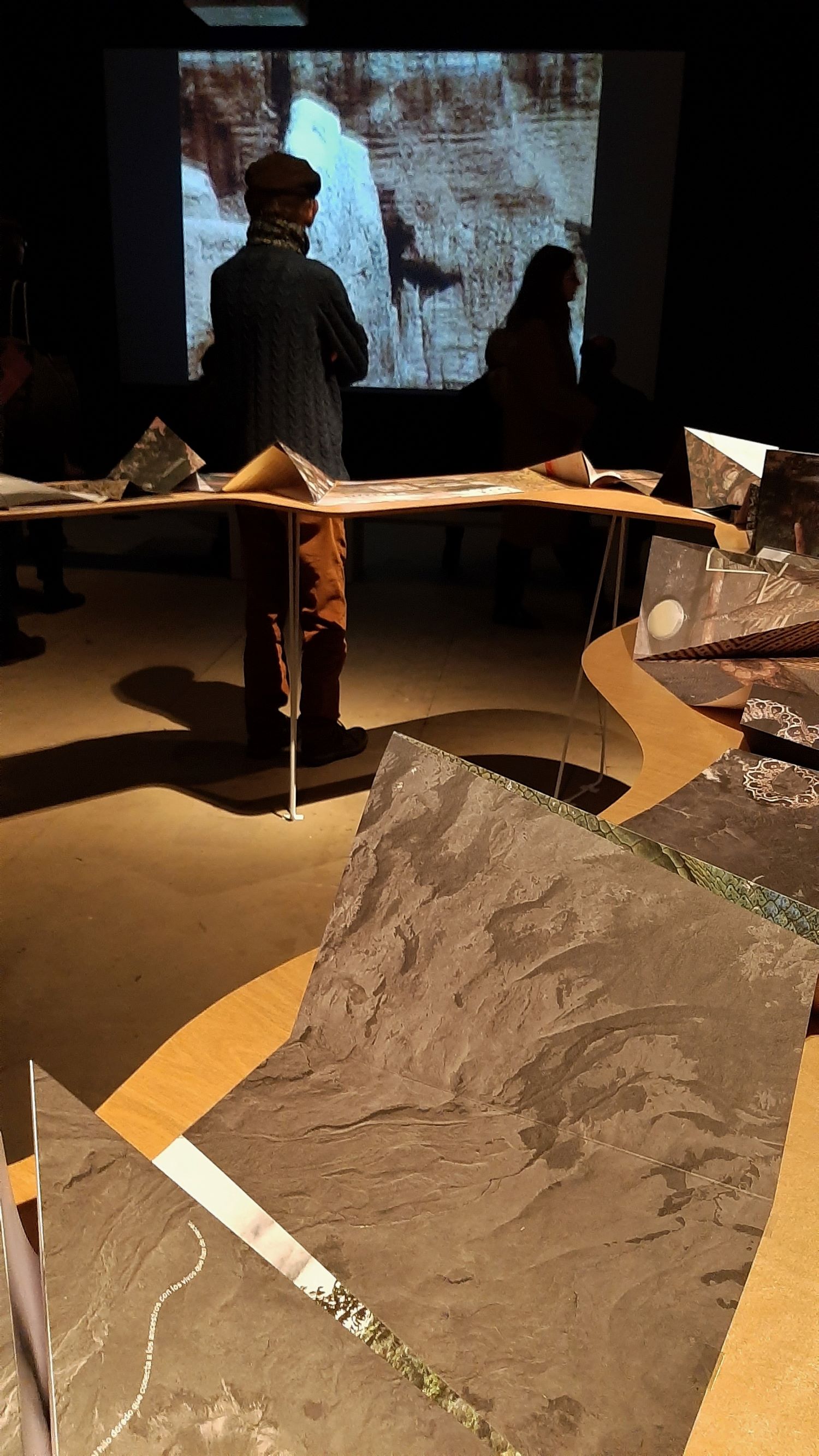
The exhibition itself has an unusually clear drive and message for a stereotypical ‘art exhibition’. Nearly all the accompanying texts are full of pointed facts on the climate crisis, as opposed to information on the exhibited artists and pieces. In this way it spans the gap between art exhibition and science fair, a multi-disciplinary approach that an increasing number of artists are using (such as Olafur Eliasson’s climate work). This was particularly apparent in the first room of the exhibition which focussed primarily on the here and now, the current effects of climate change and the interwoven ‘political, economic and social complexities’ behind it. In this room was Serpent River Book by Carolina Caycedo, a concertina-style book that explores the industrialisation of river systems. A book is an interesting medium as it has associations with fact and certainty, again leaning towards the scientific, yet also has a certain artistry to its creation, perfect for this exhibition. Caycedo’s book is a collection of images, maps, poems, lyrics, photographs and texts gathered via the Be Damned project, very much like Eliasson’s Expanded Studio gathering technique, but the book’s unorthodox presentation serves as an excellent device for a factual yet visceral experience. I would be interested in exploring the book within my own practice as I too do a lot of gathering, perhaps with hints at the scientific, and its materiality would link well with my previous work in paper sculpture.
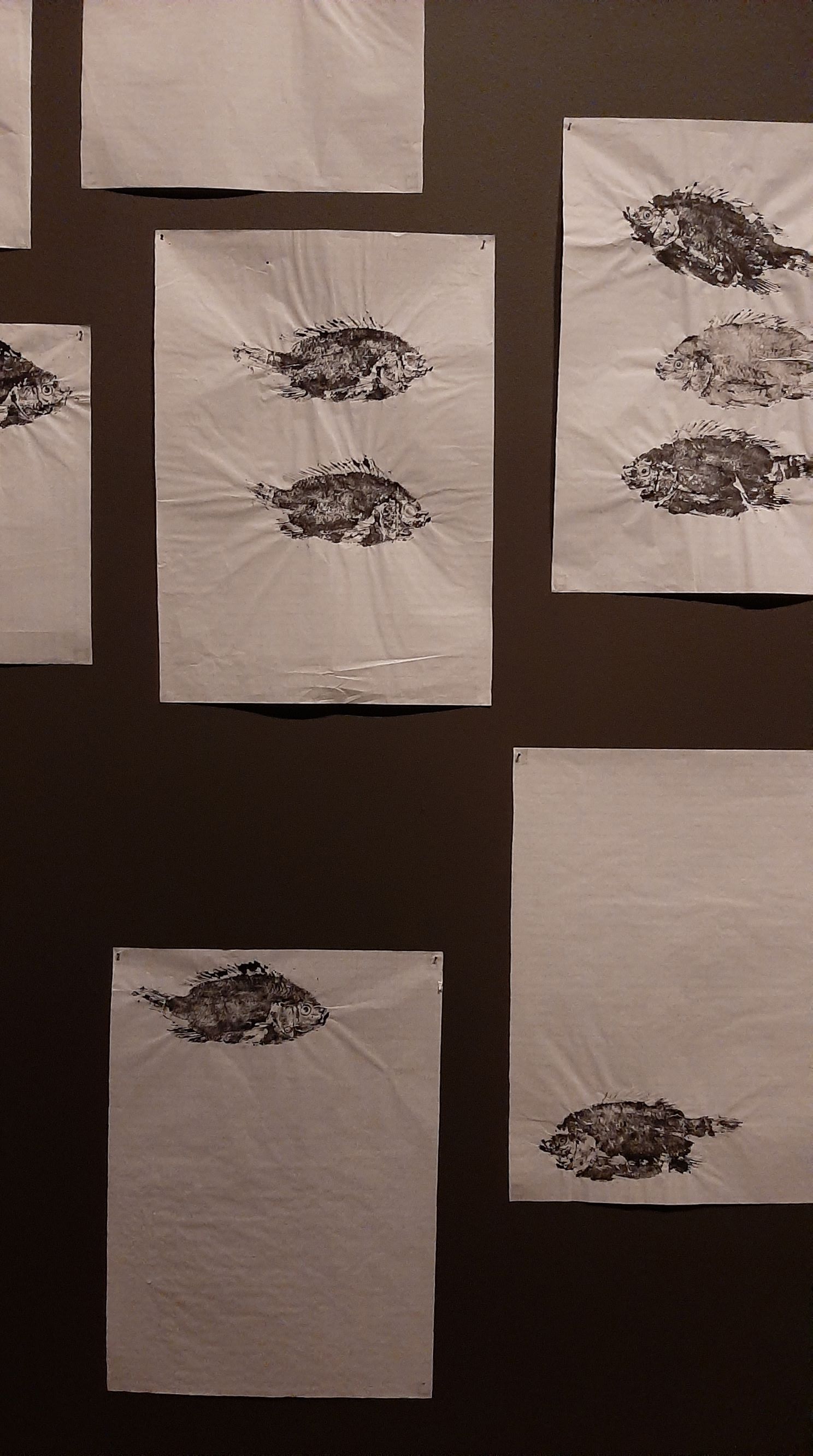
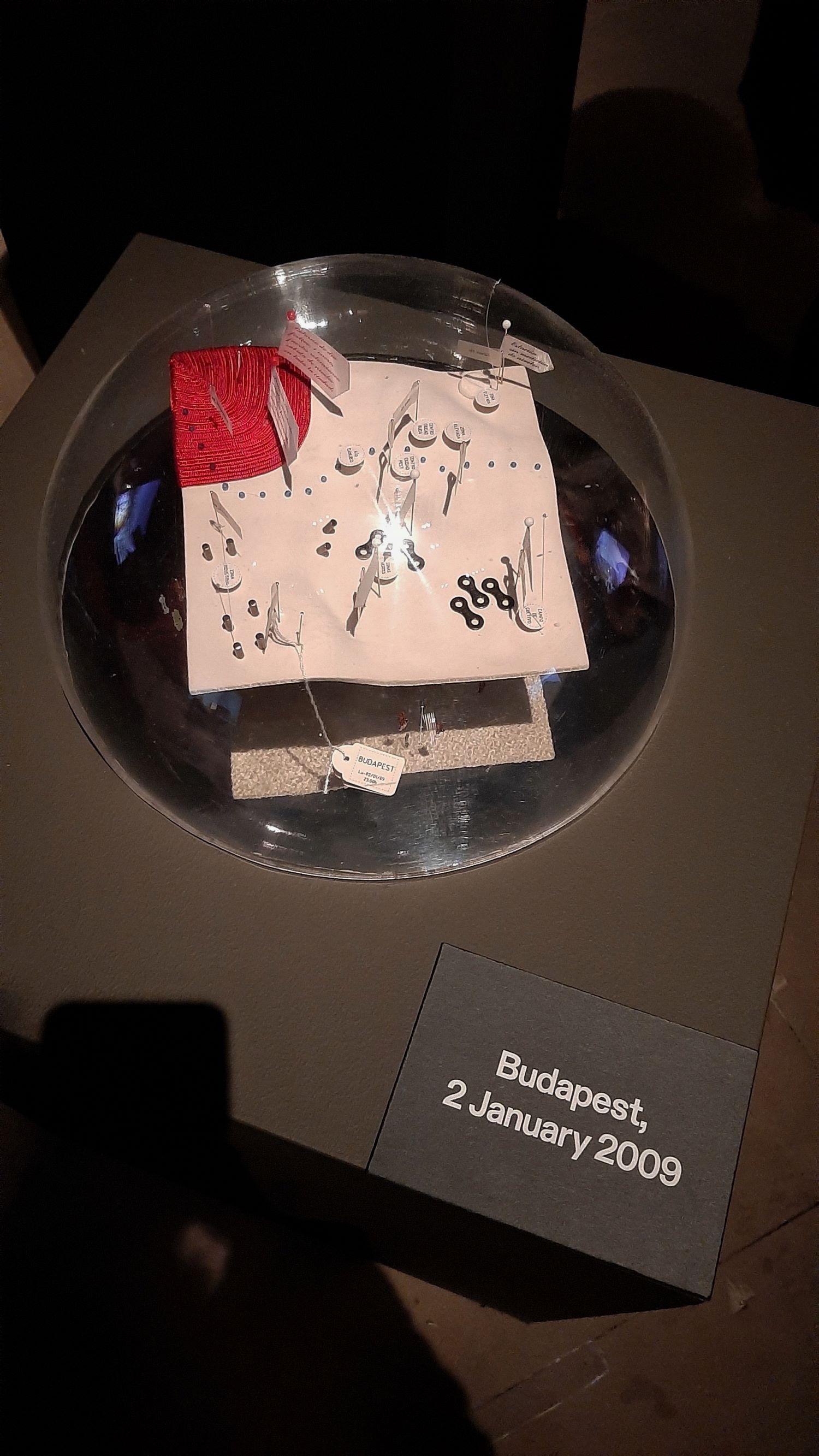
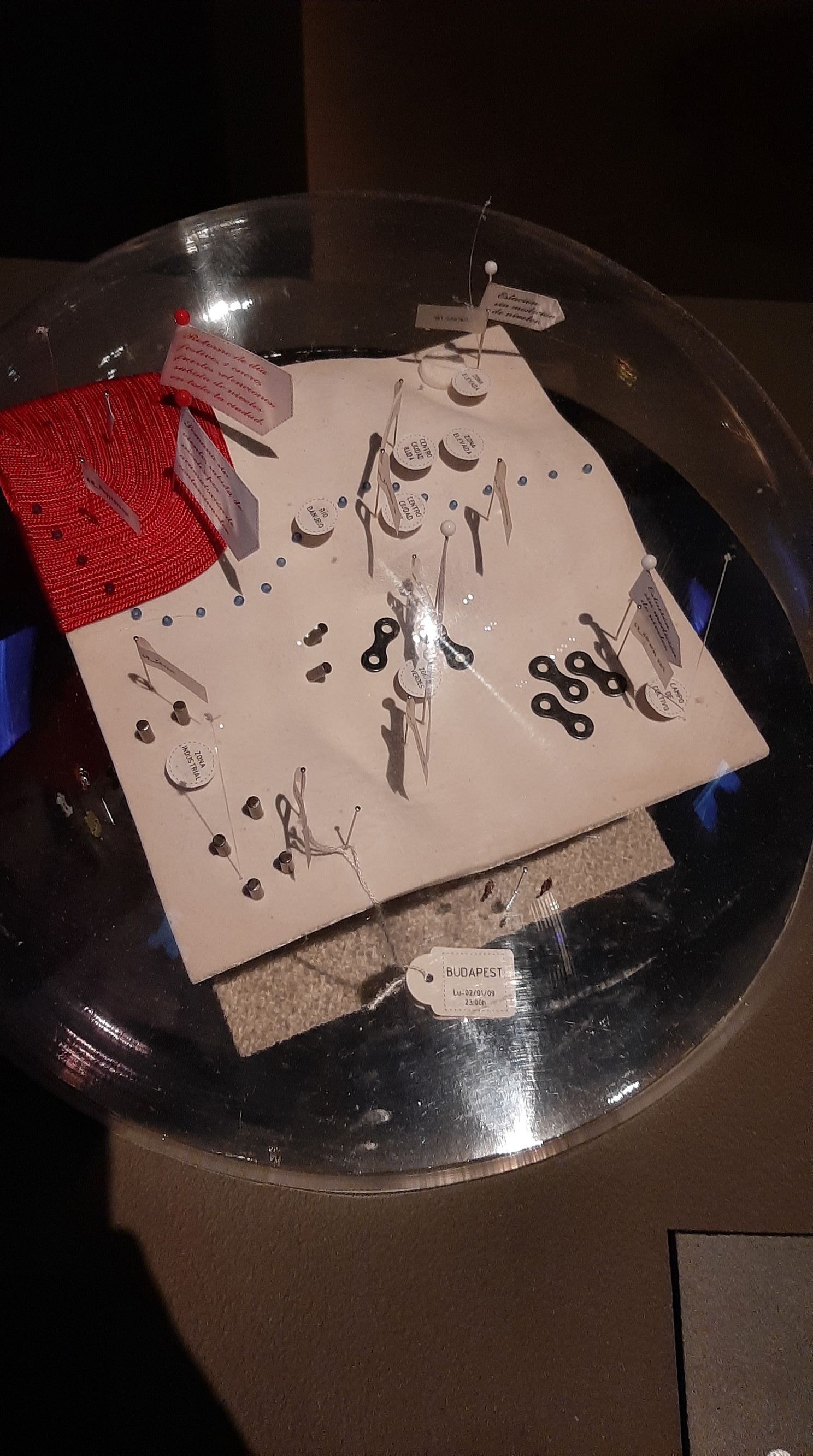
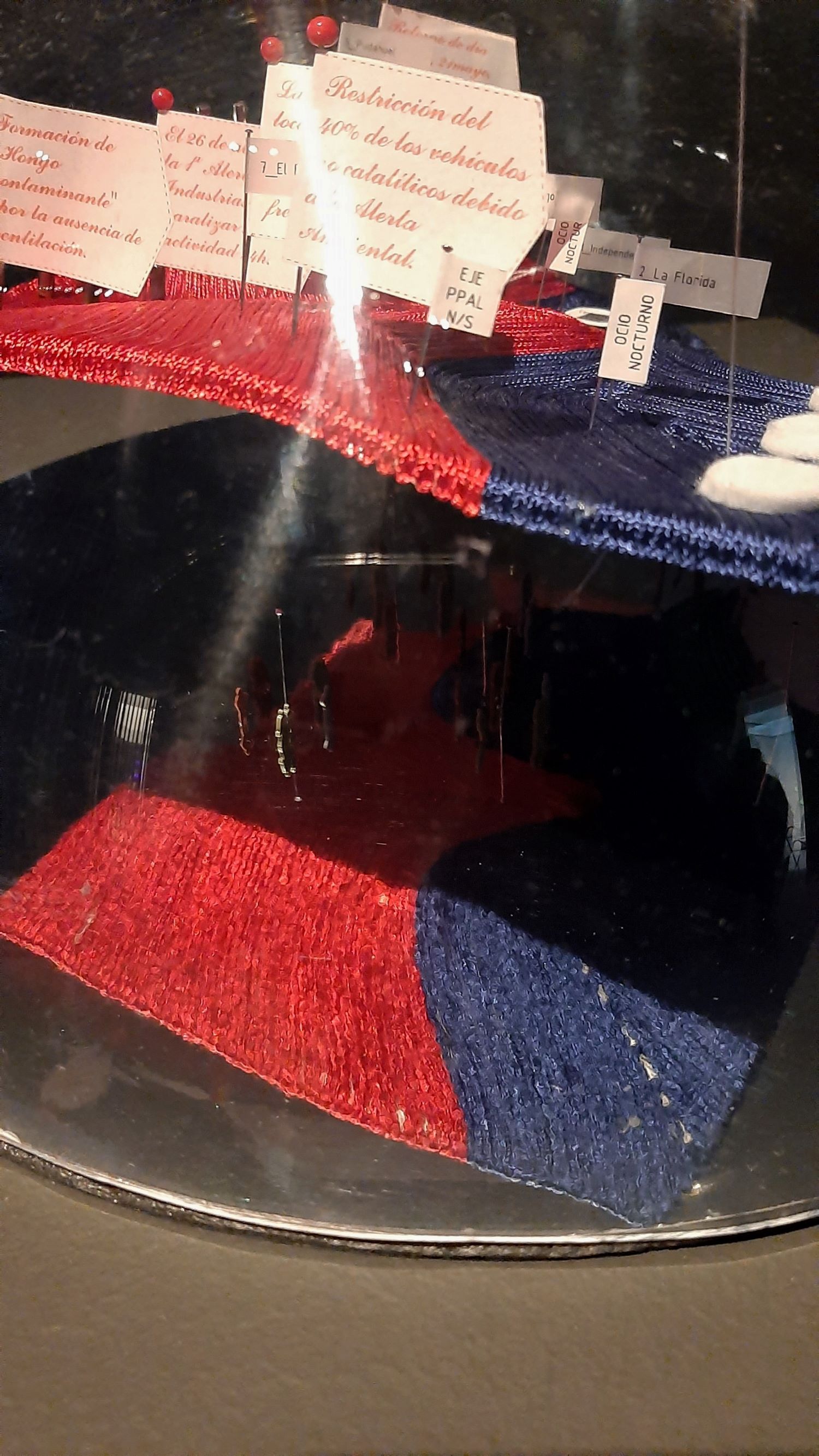
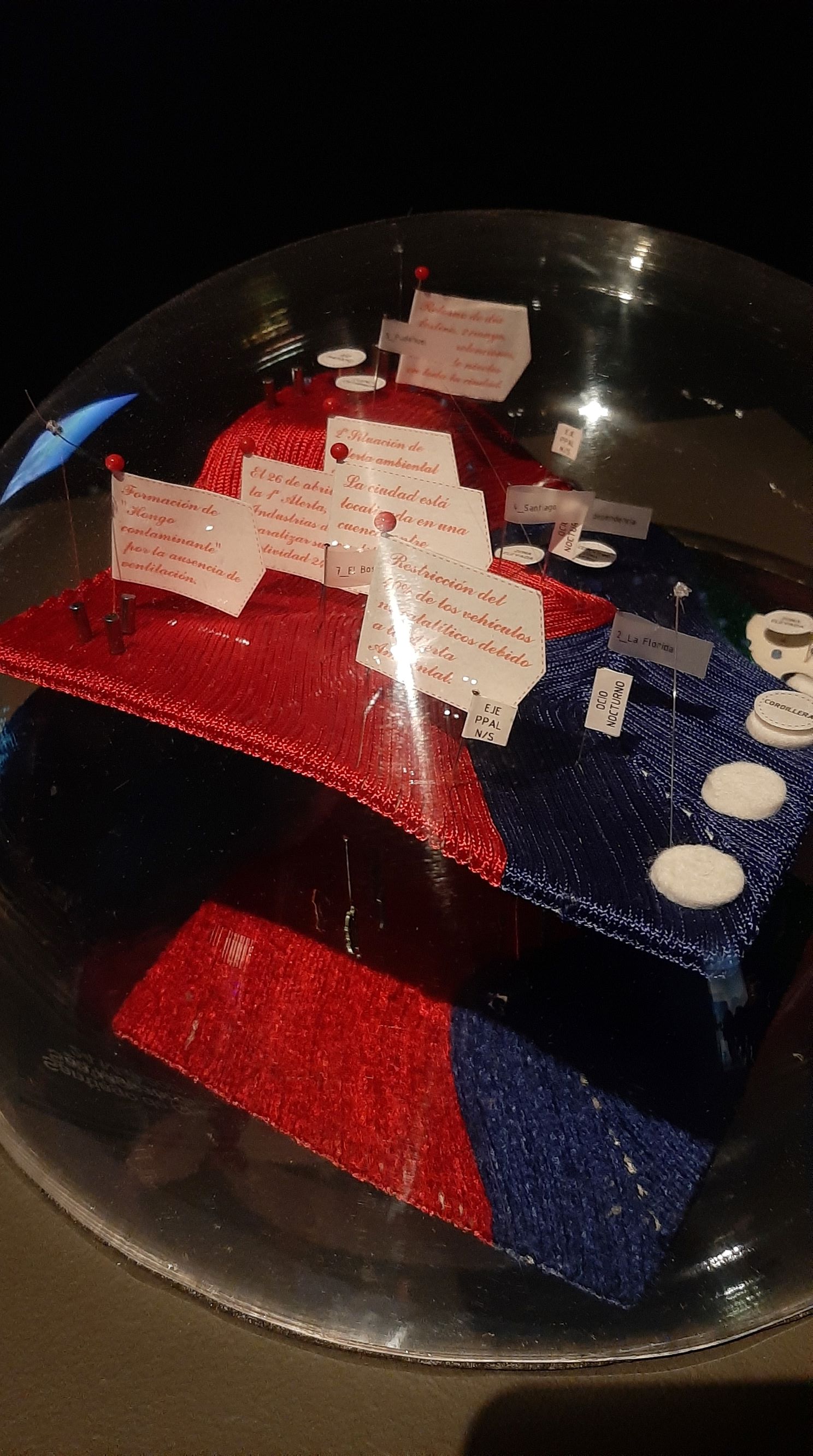
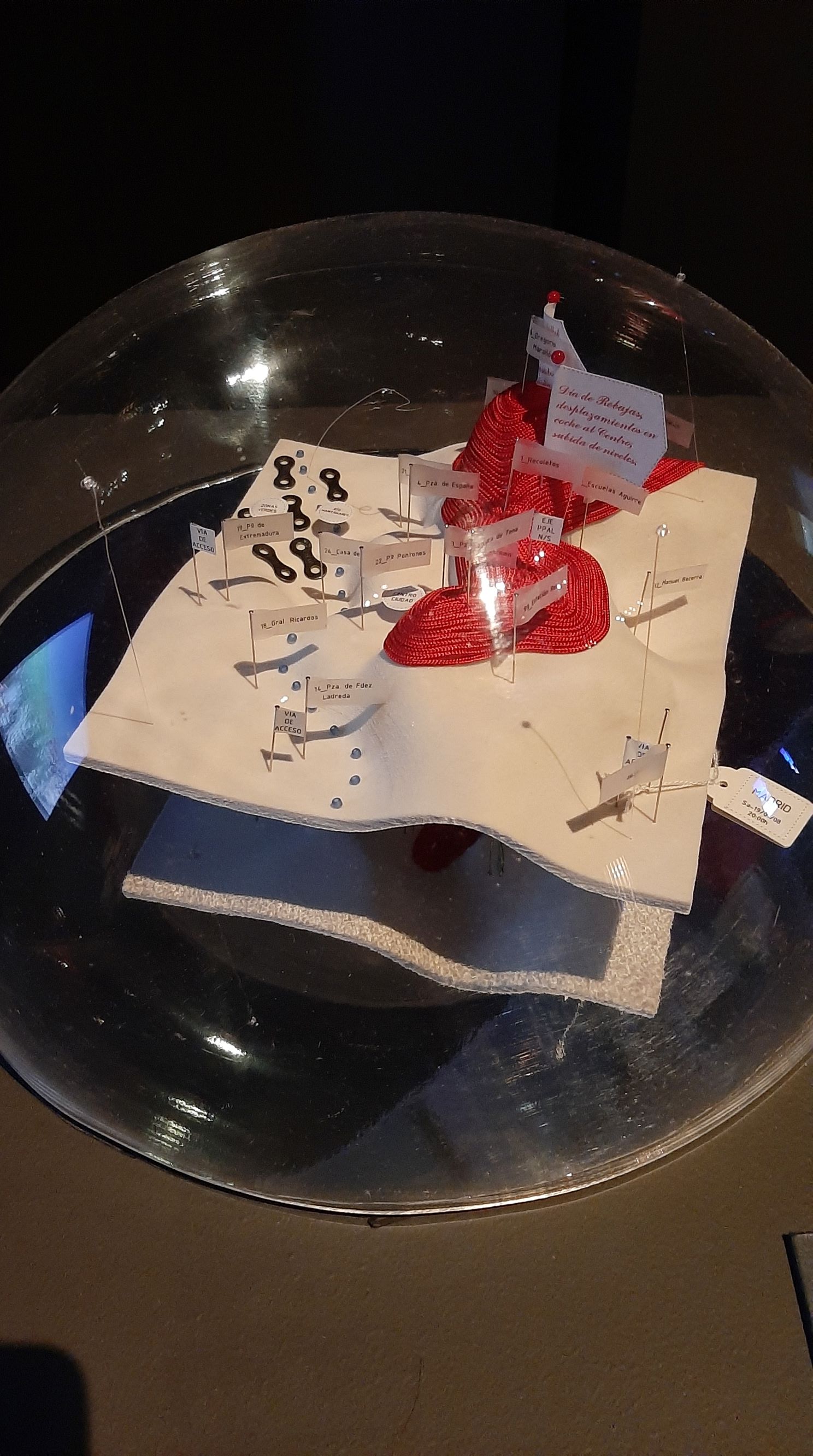
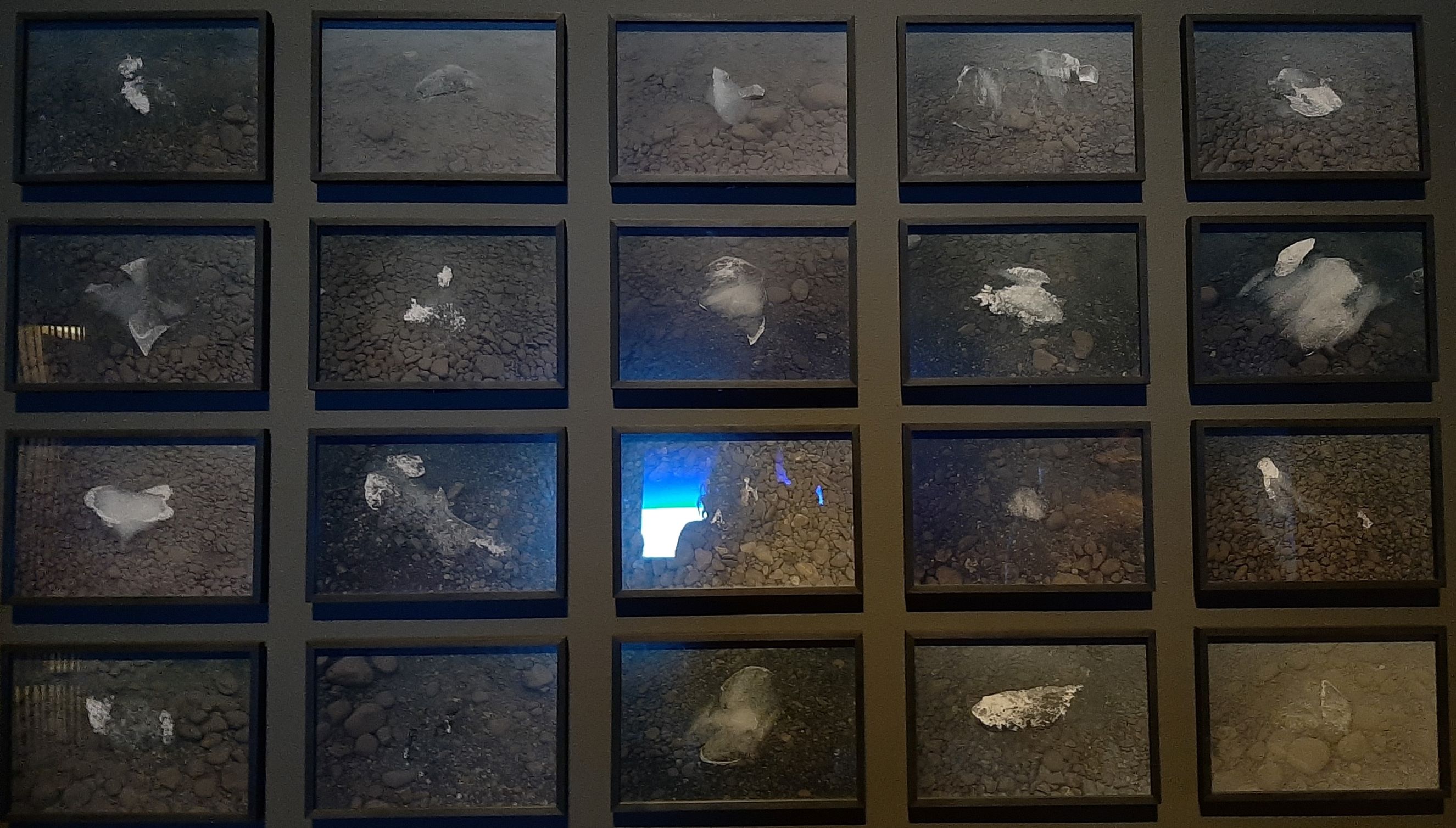
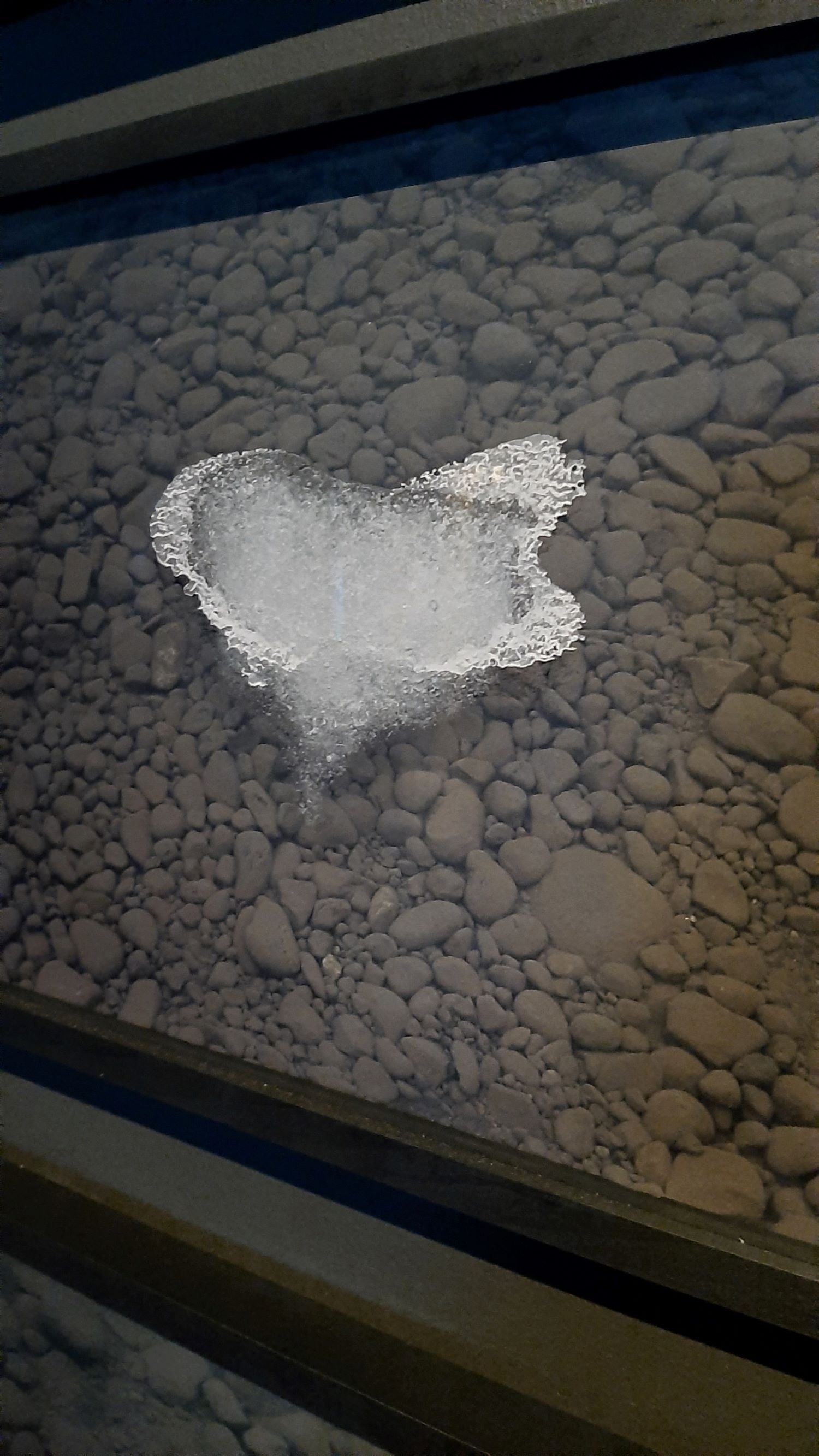
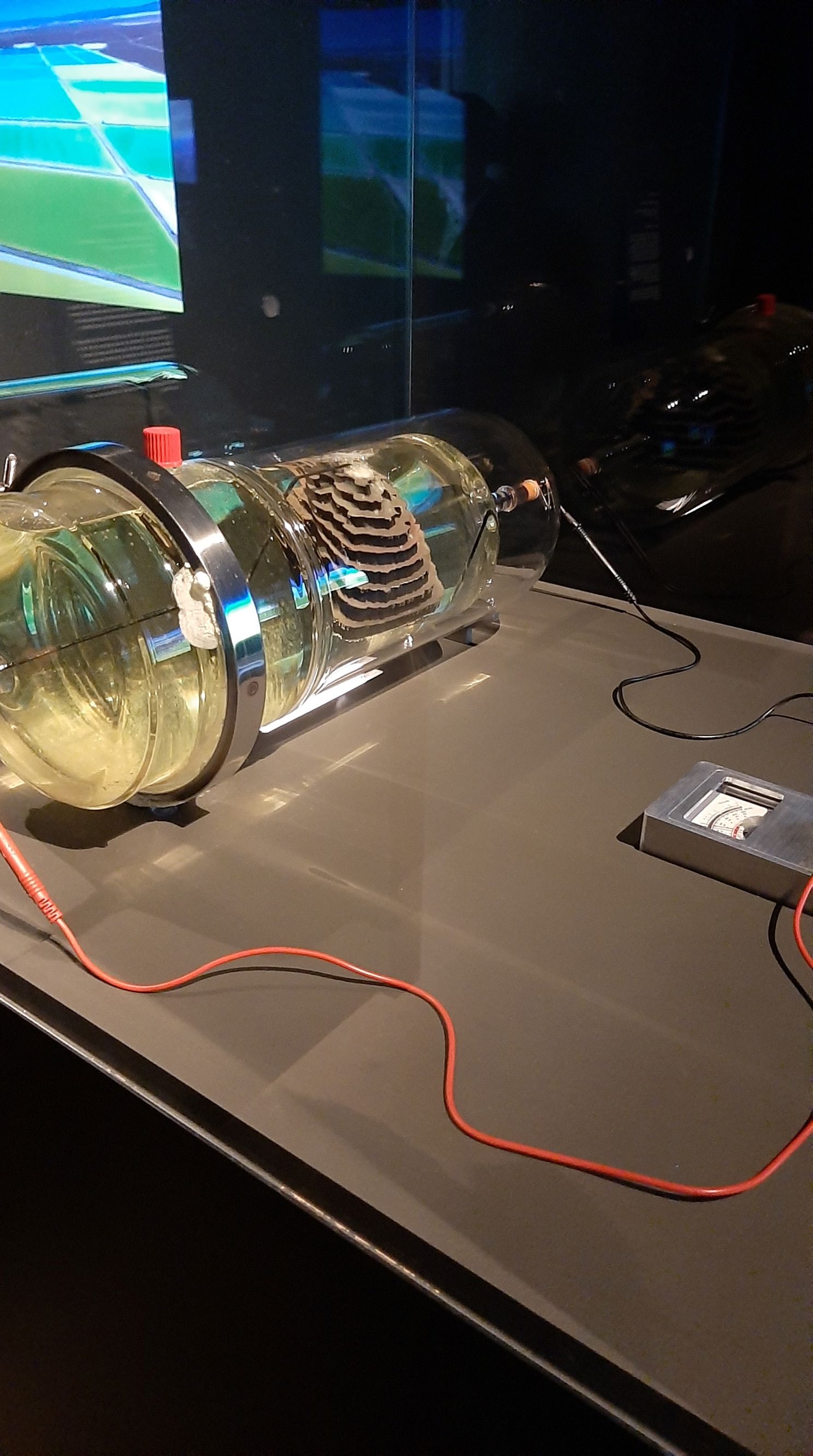
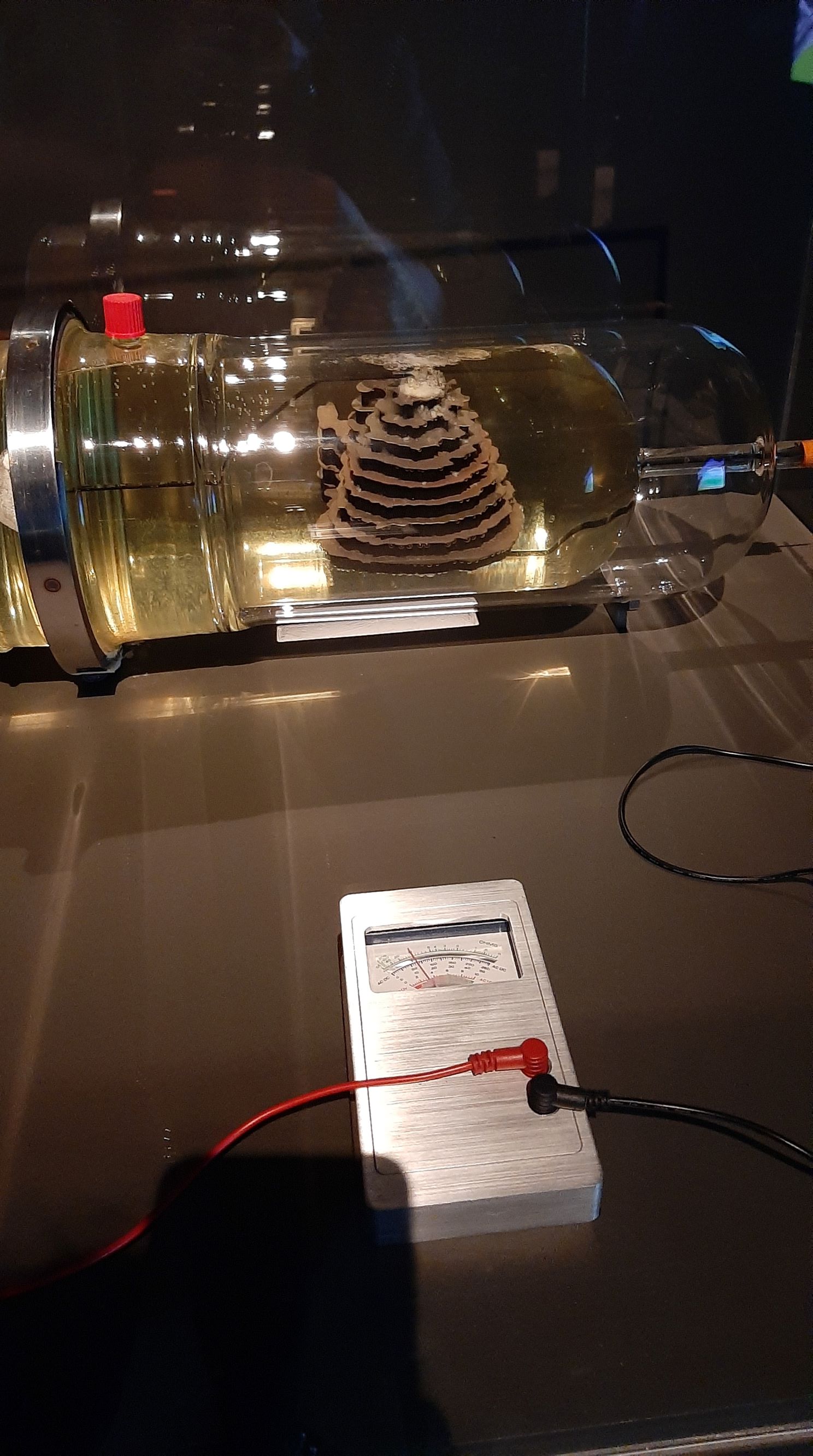
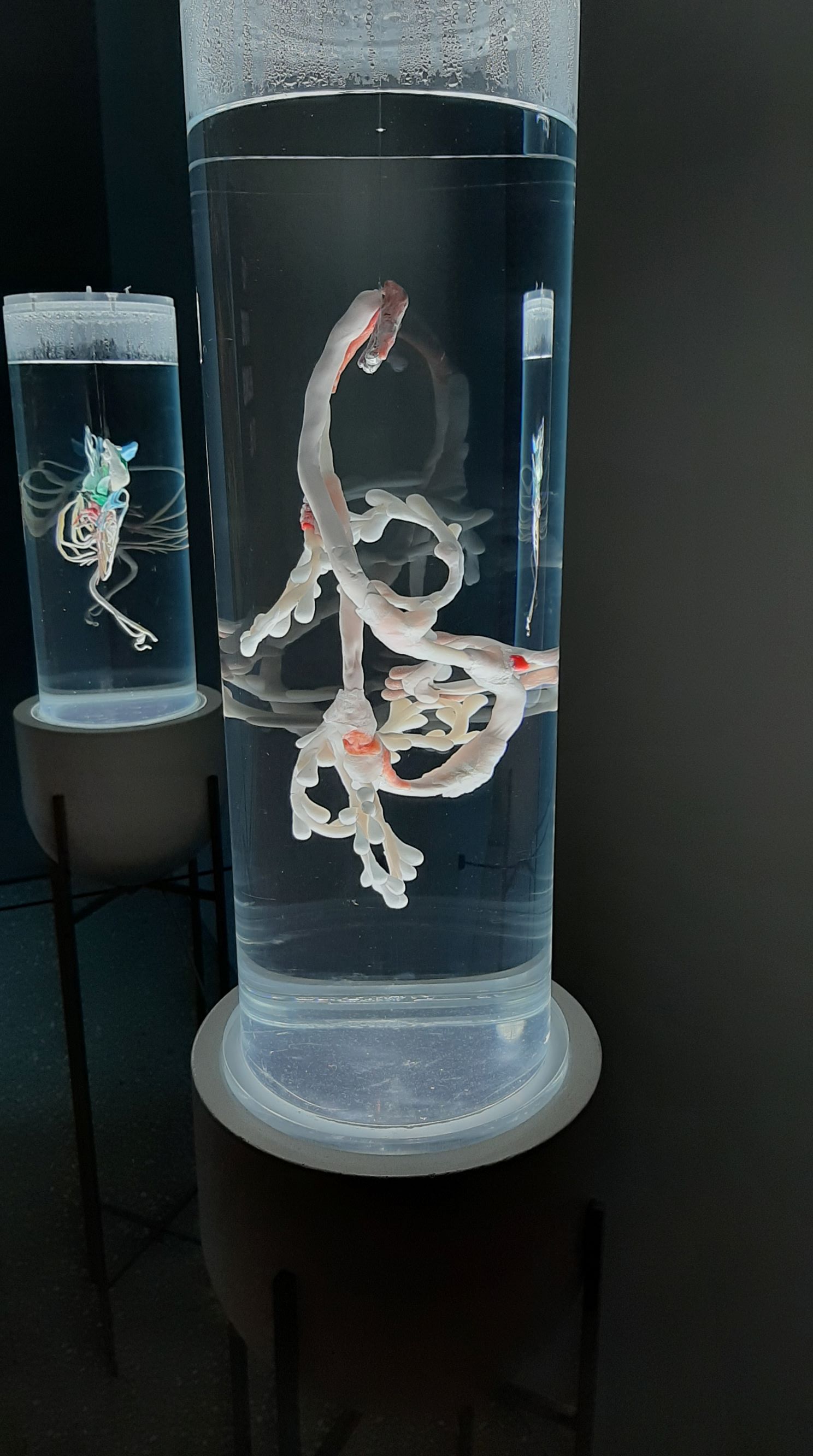
The second room of the exhibition moves on from the present to the future, speculating on how the rapidly changing climate may alter both the human and the non-human. There is a significant focus on technology, particularly obvious in Alexandra Daisy Ginsberg’s The Substitute where a life-size northern white rhino is projected shuffling around an imagined three dimensional white box next to the viewer. As the last male of this species recently died, the piece balances between hopeful and remorseful; on the one hand perhaps technology could serve to recreate lost species in some ways, but on the other any creation will simply be trapped in a separate digital plane, not much more than a mass of pixels. Alternately, Pinar Yoldas explores the possibility of life created from man-made consumer waste through his series An Ecosystem of Excess. Giant test-tube-like containers, filled with clear fluid and lit with LEDs, are home to what look like oversized microbes. This fits with the ‘primordial soup’ theory that the piece is based upon – the idea that life on Earth emerged from a rich organic solution that once filled the Earth’s oceans – but this time round the soup will be filled with decaying by-products of human consumption. As a result the imaginary creatures, ‘plastivores’, are able to digest these waste products and thus thrive on the mess that the human race leaves behind, and so a new species emerges.
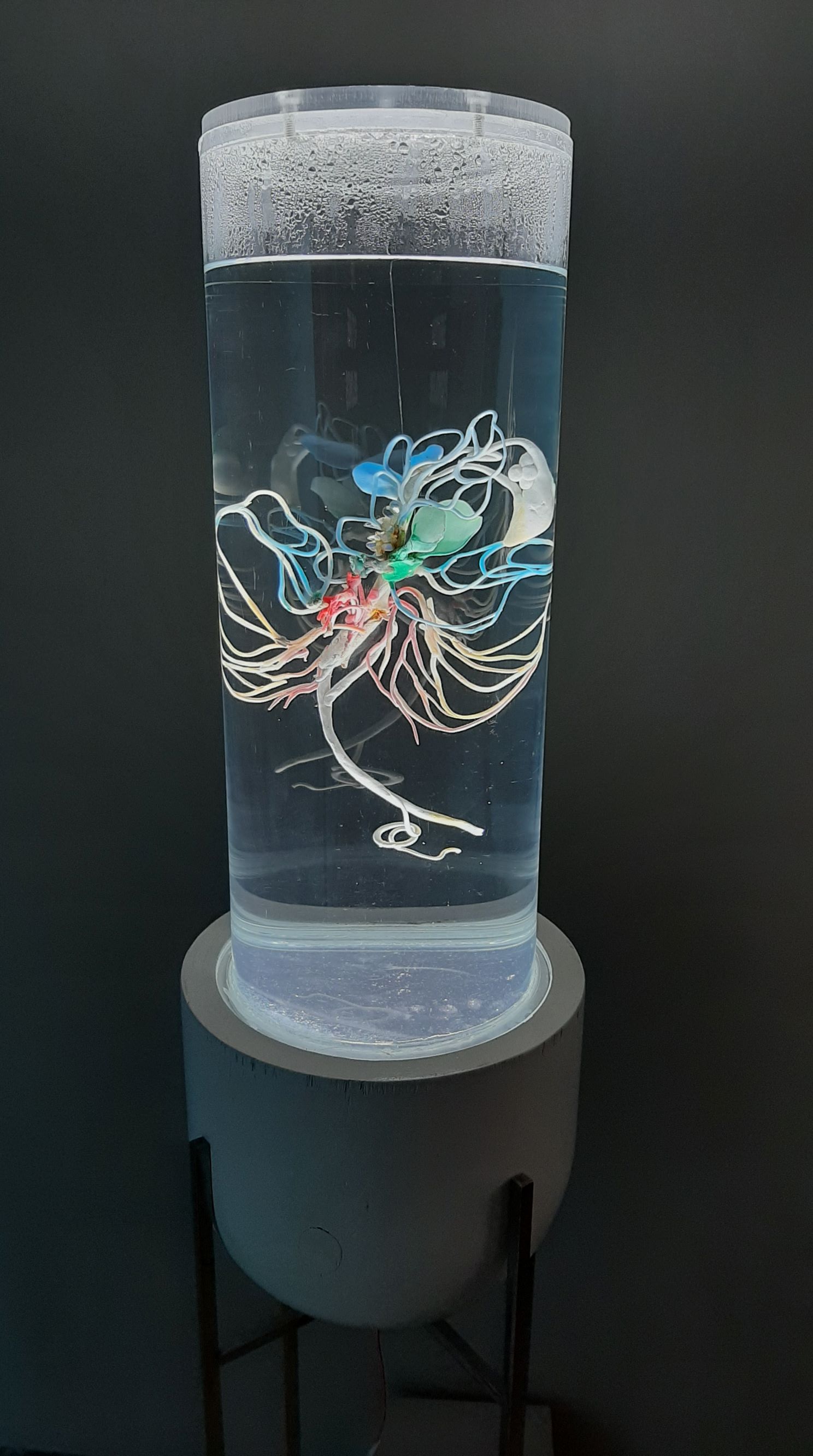
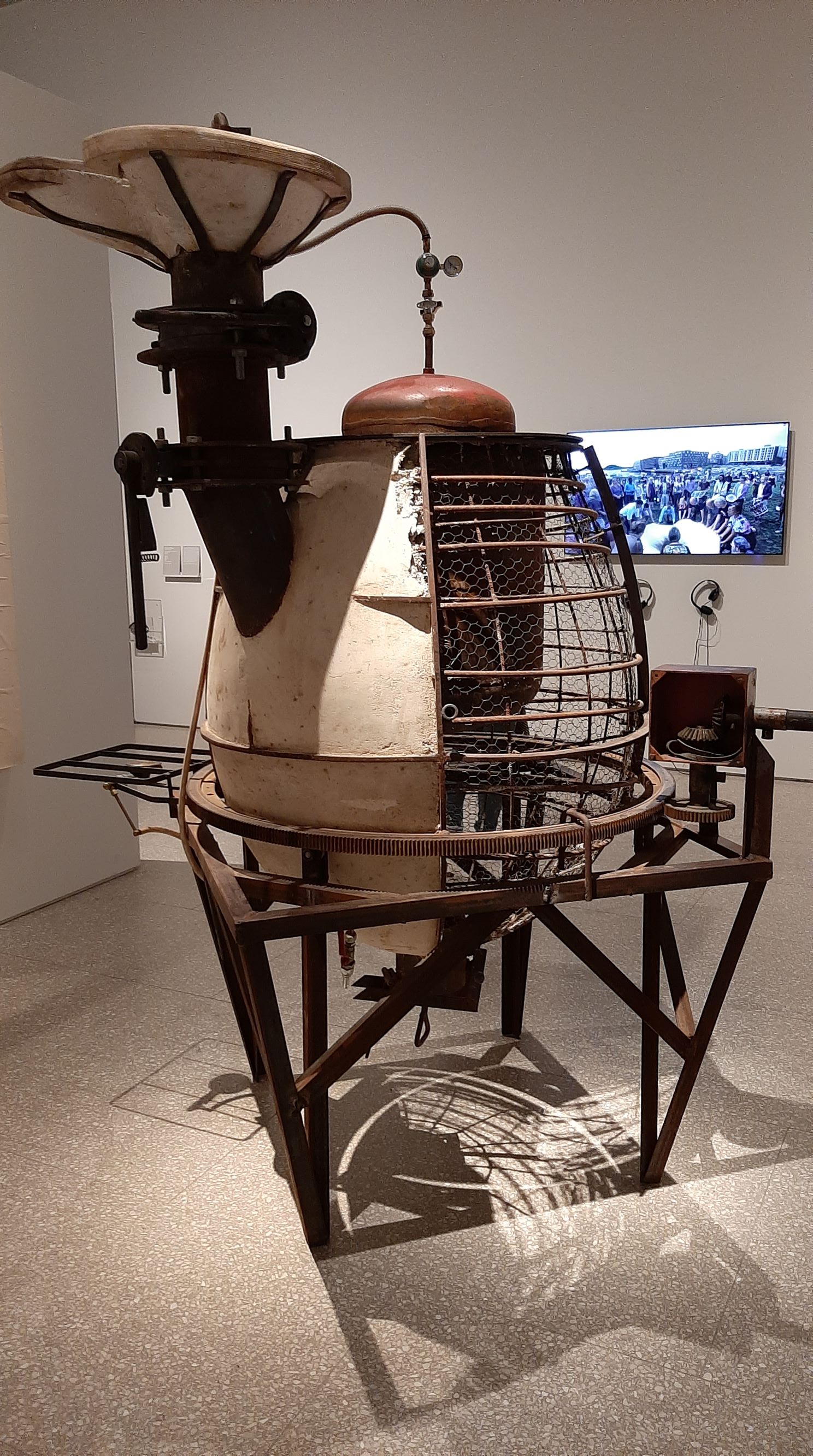
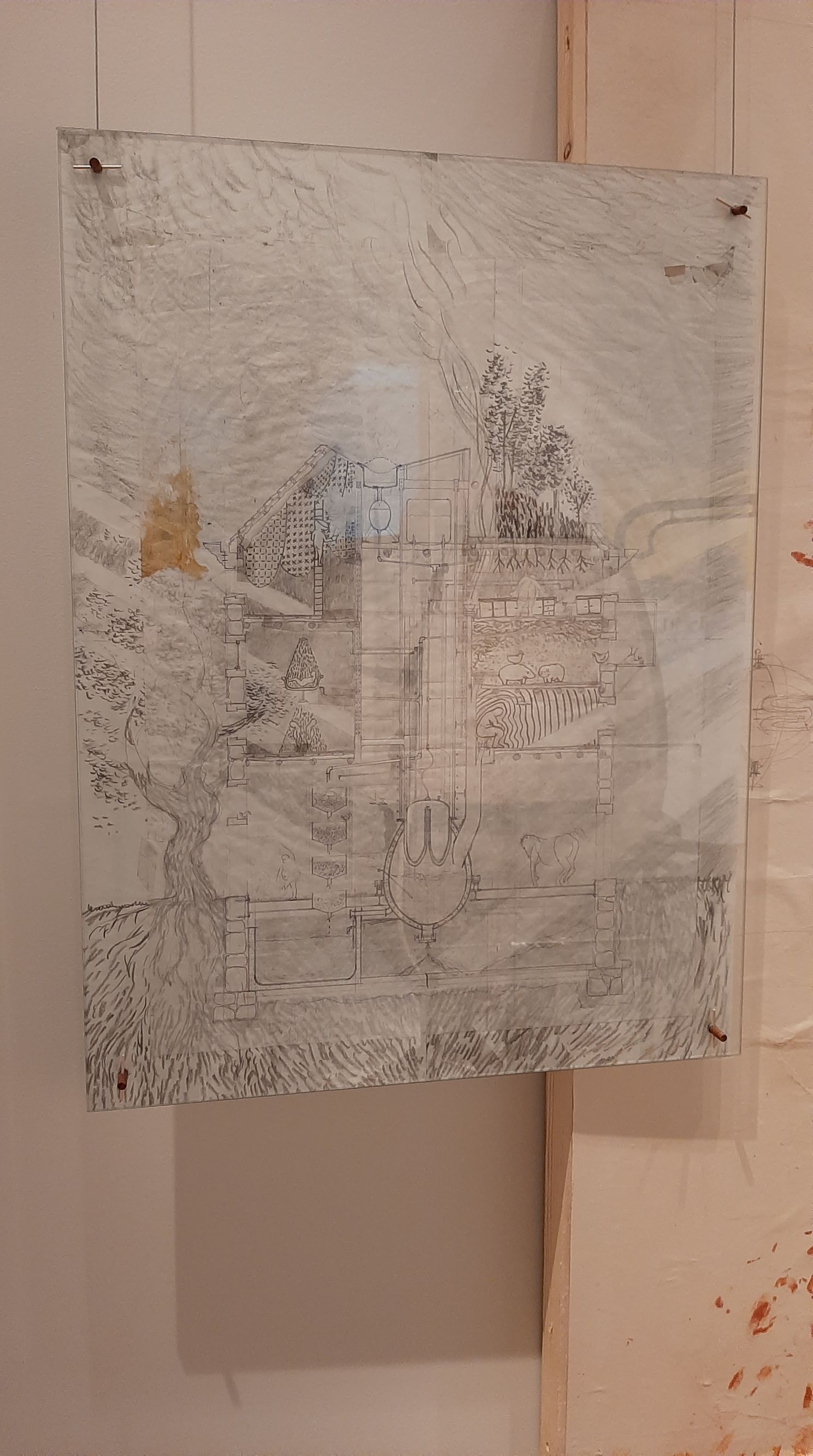
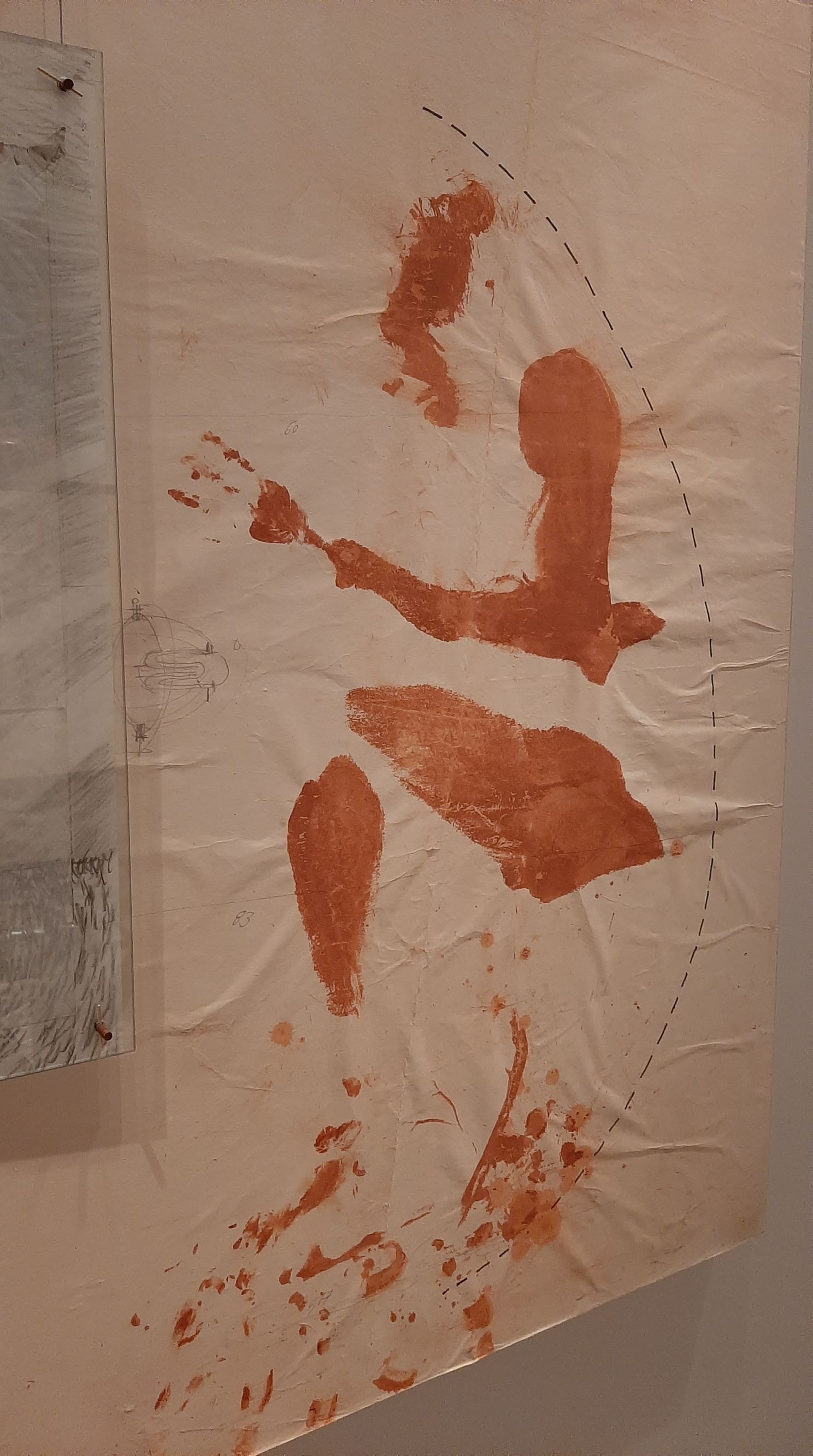
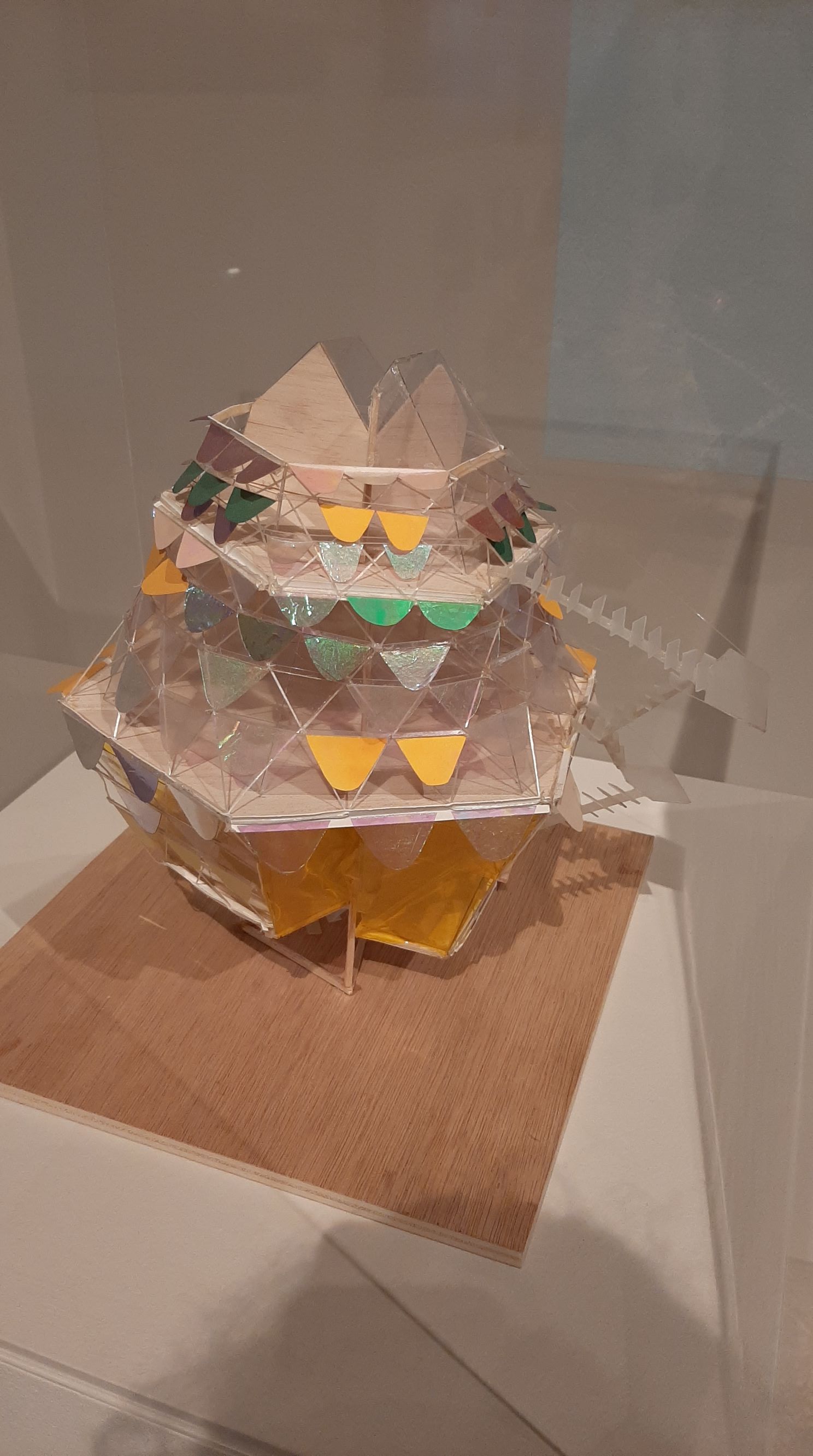
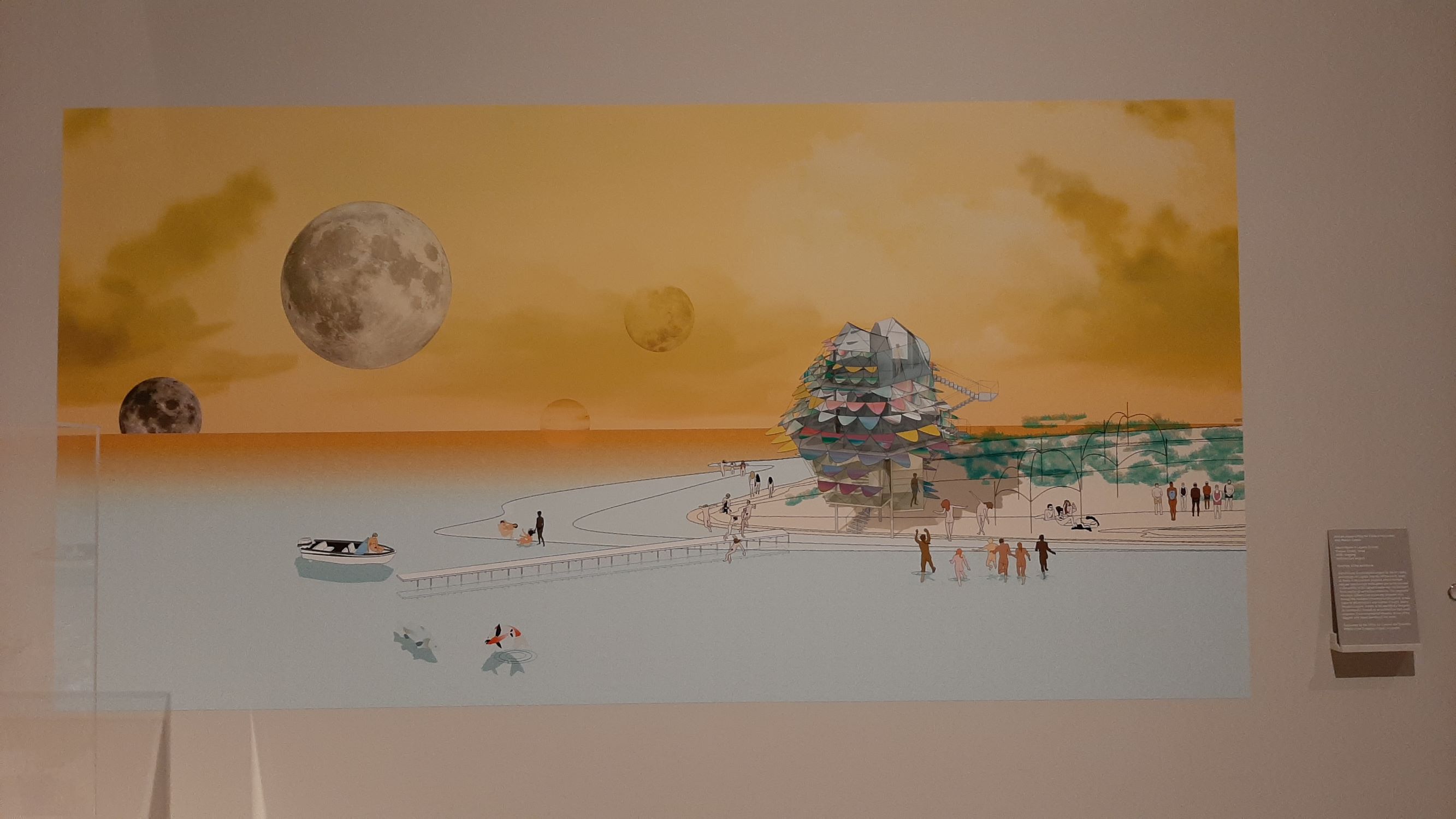
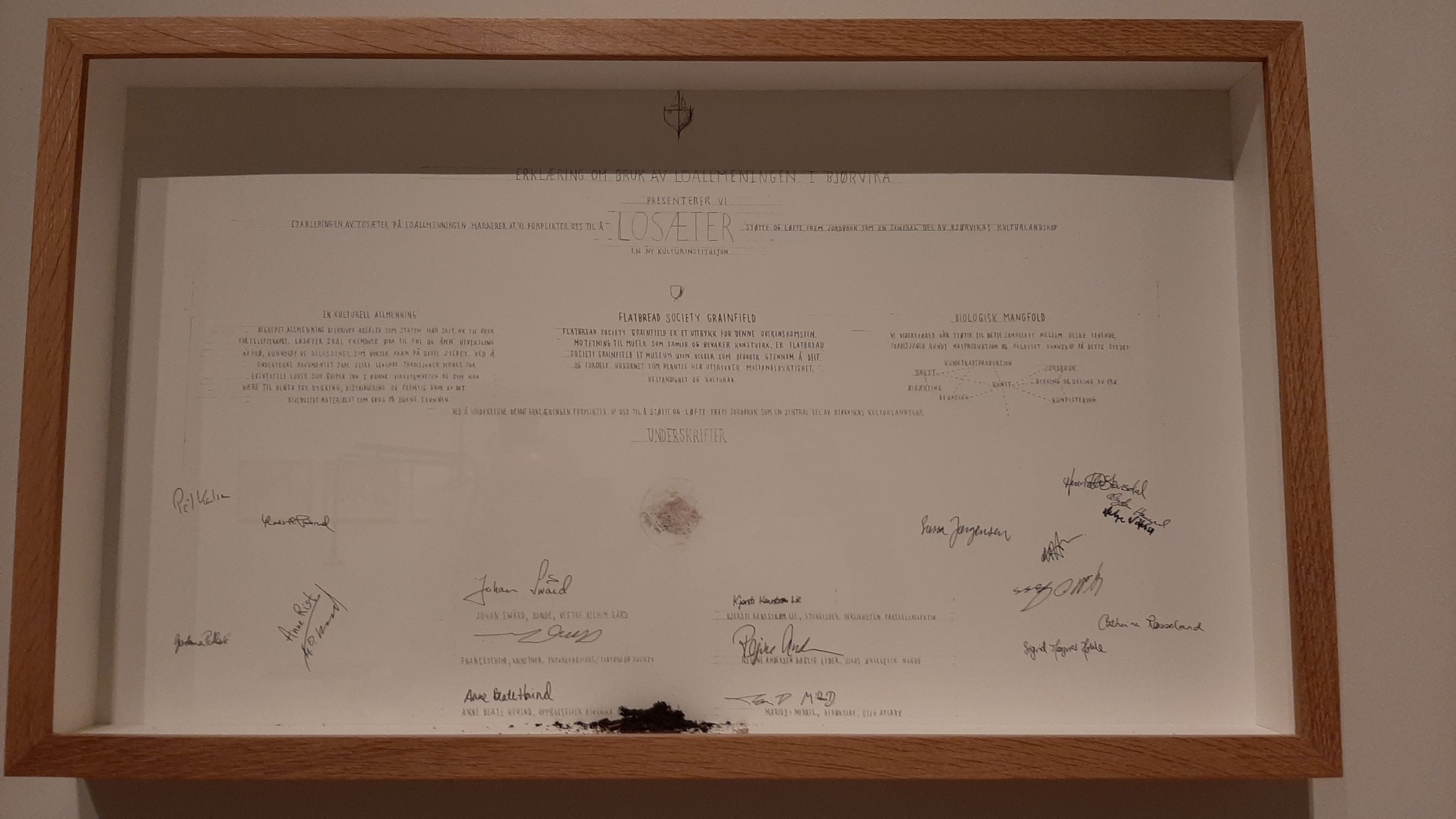
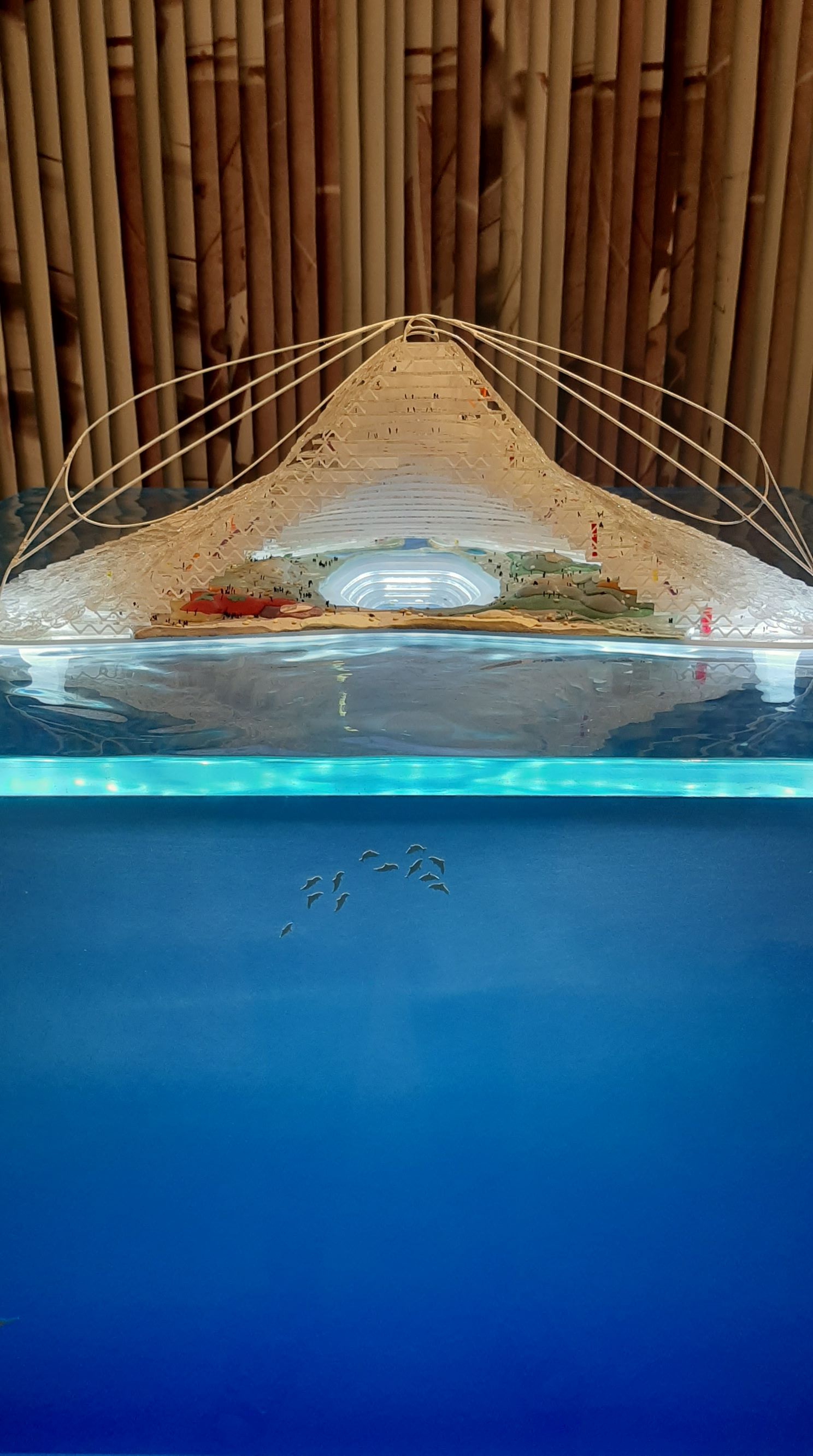
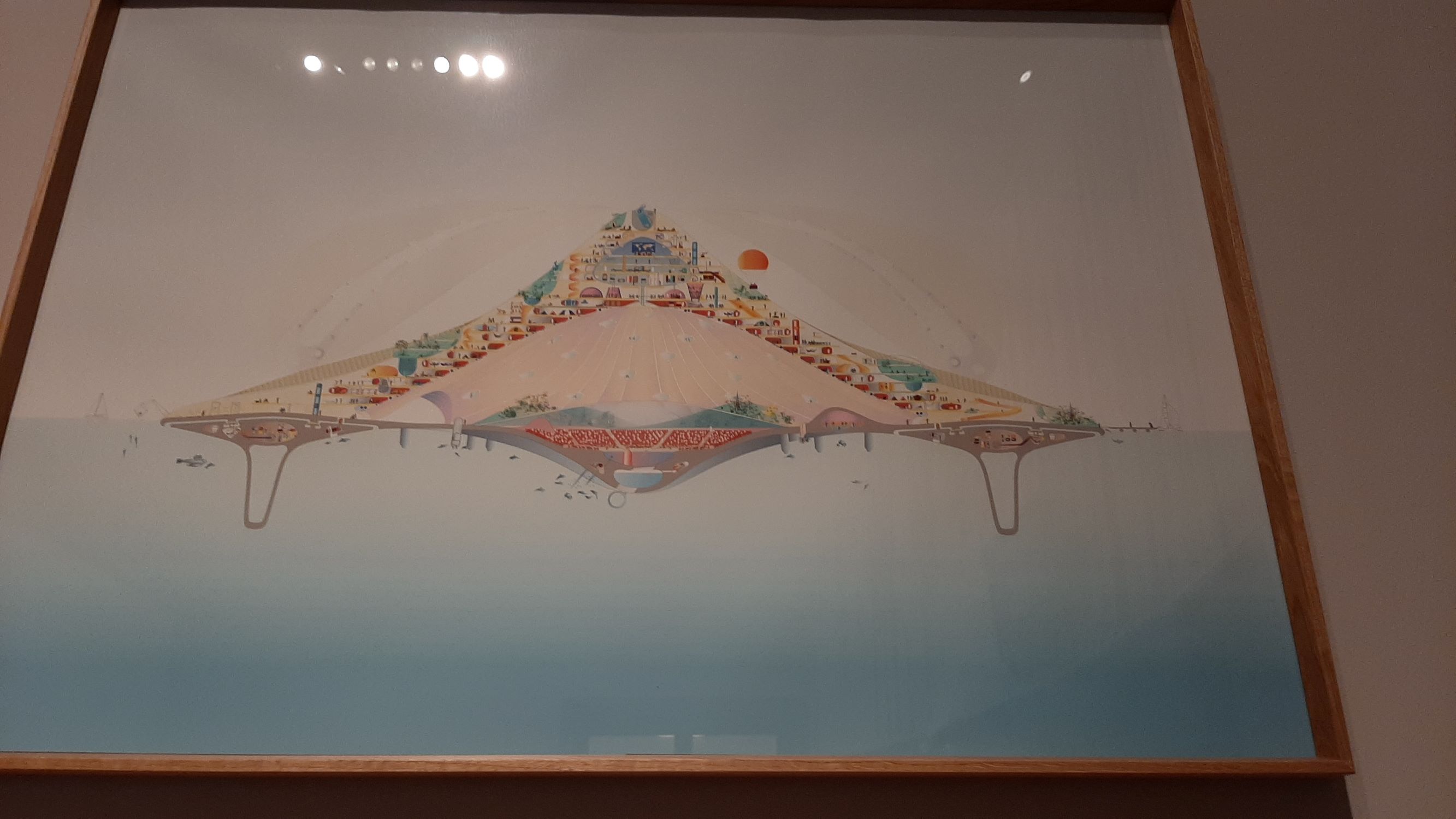
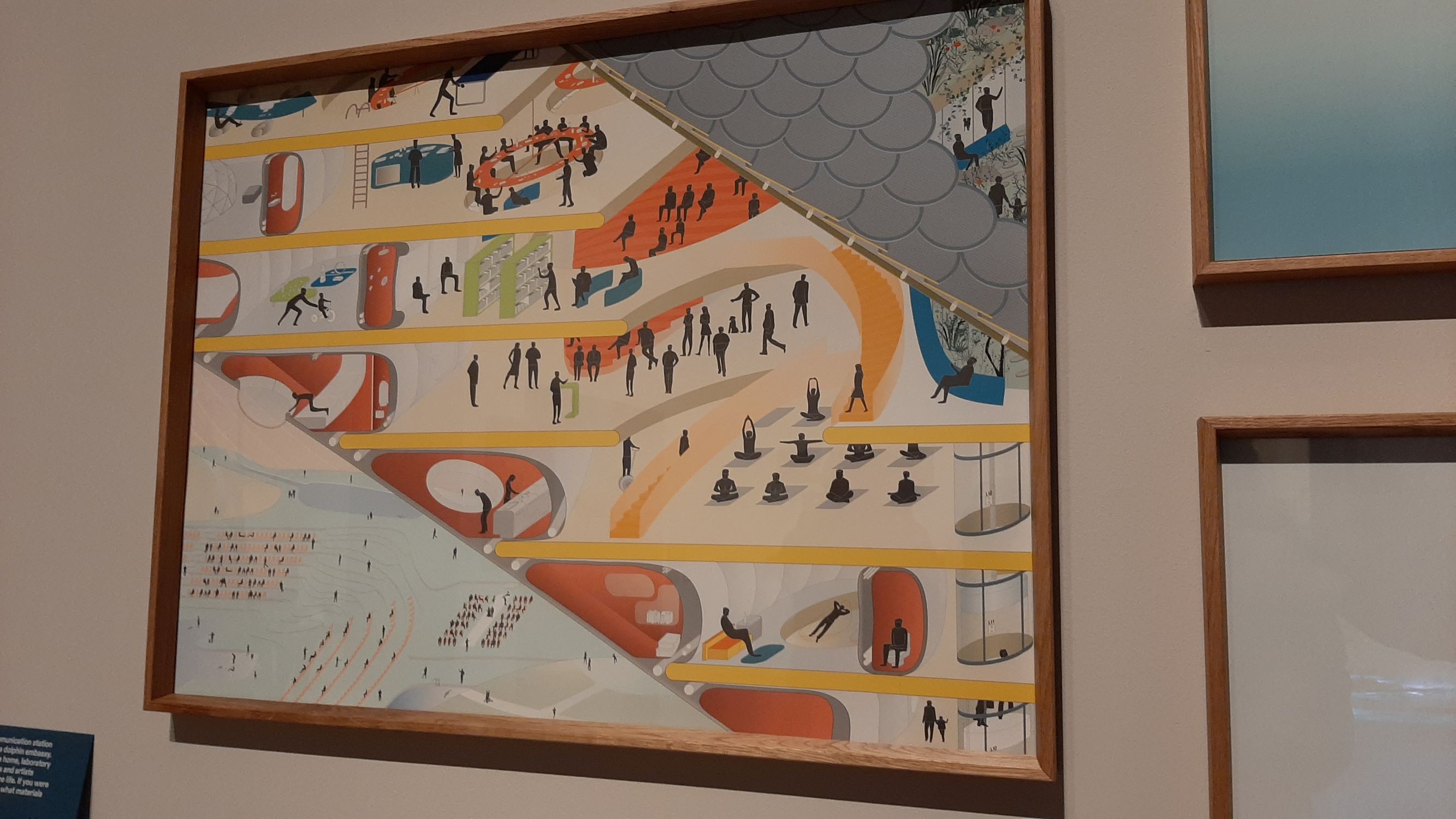
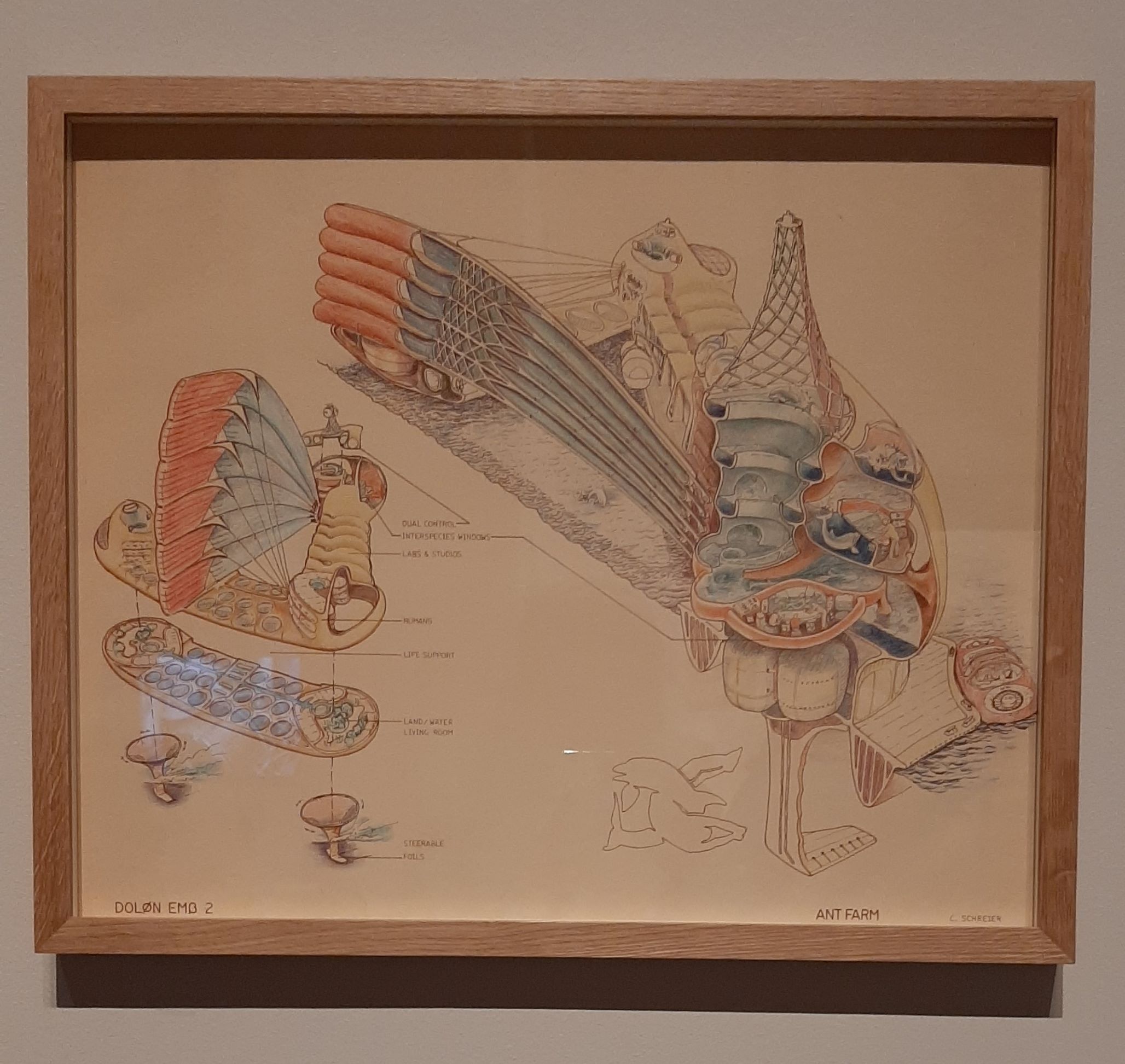
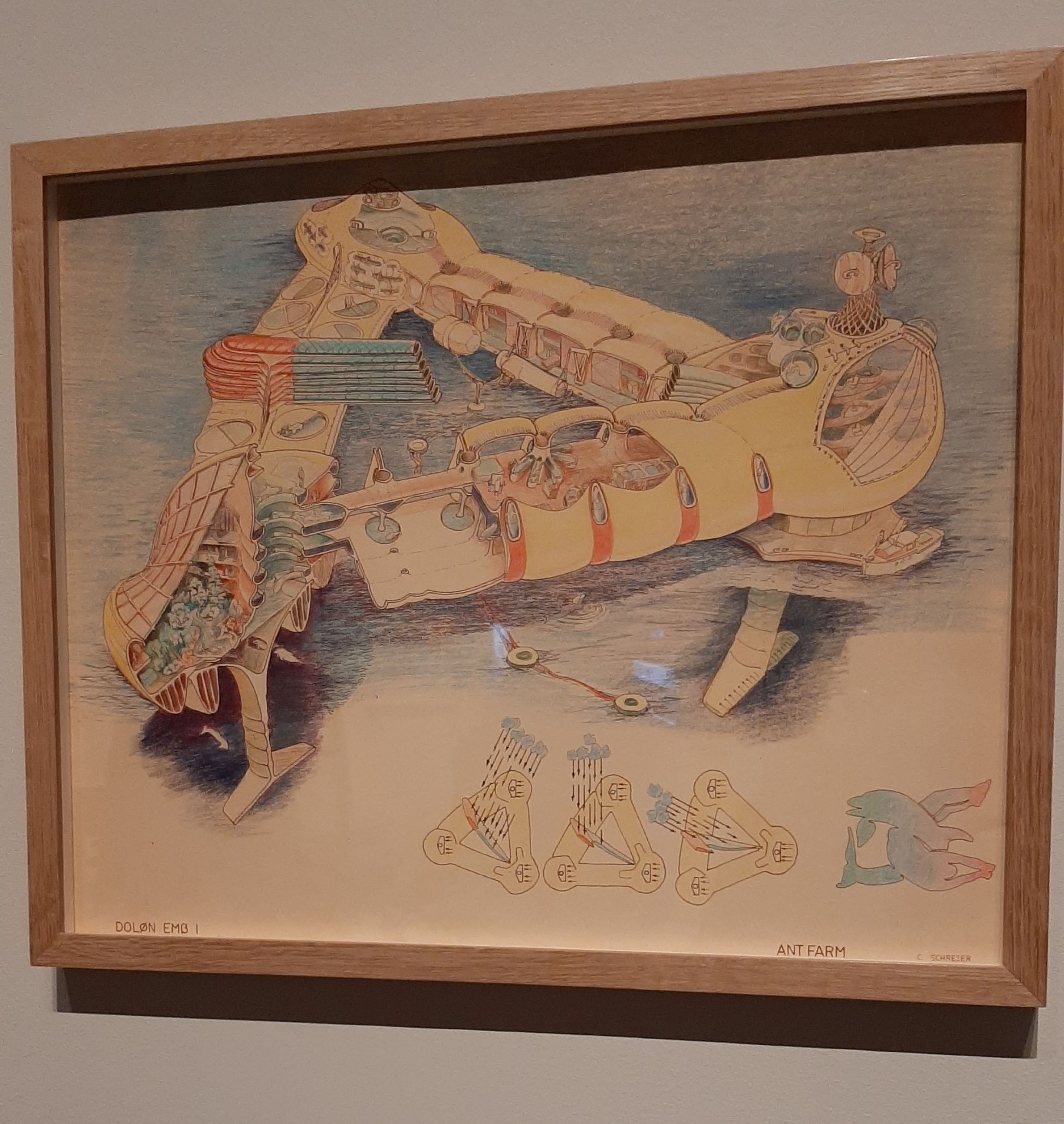
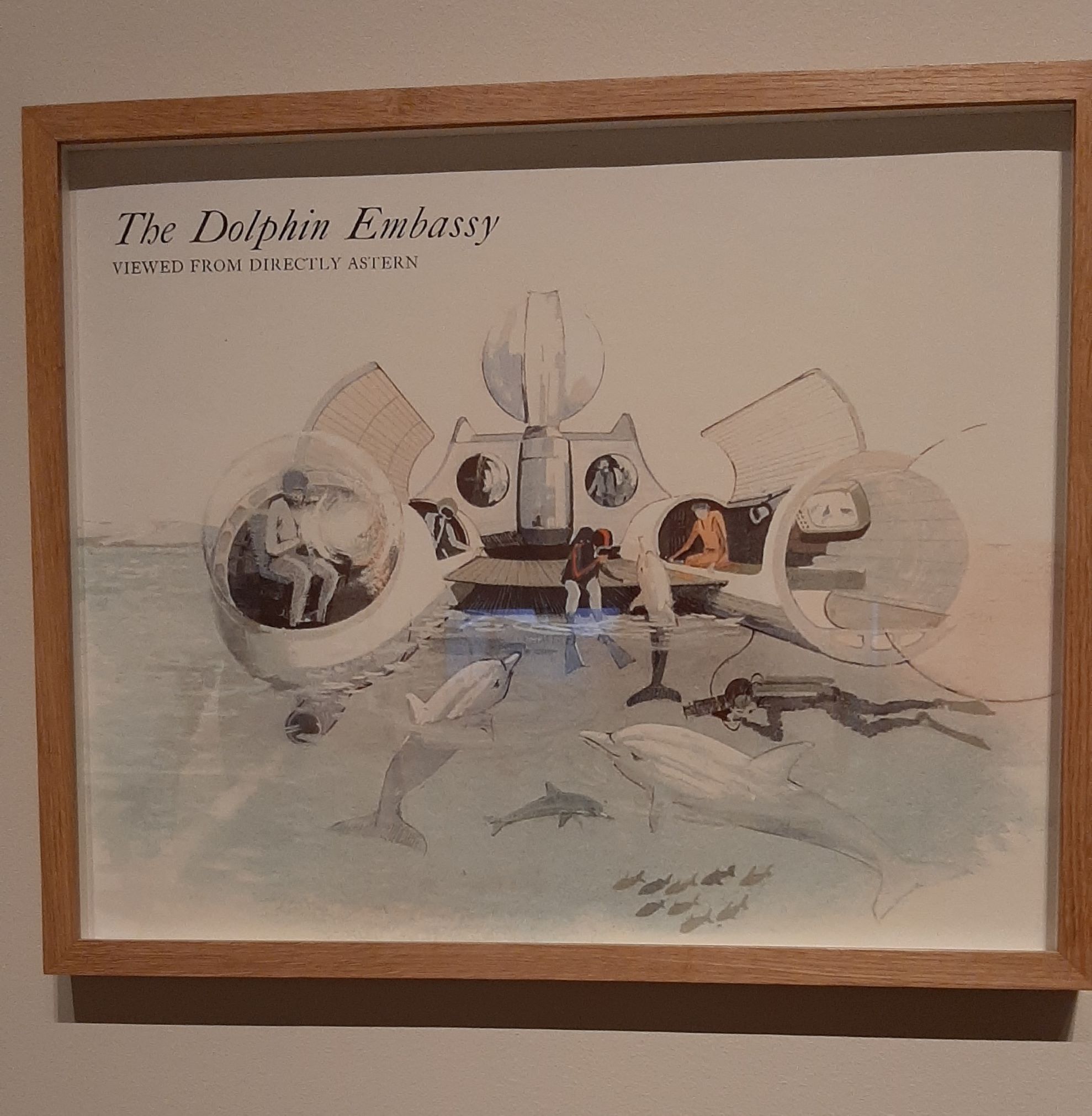
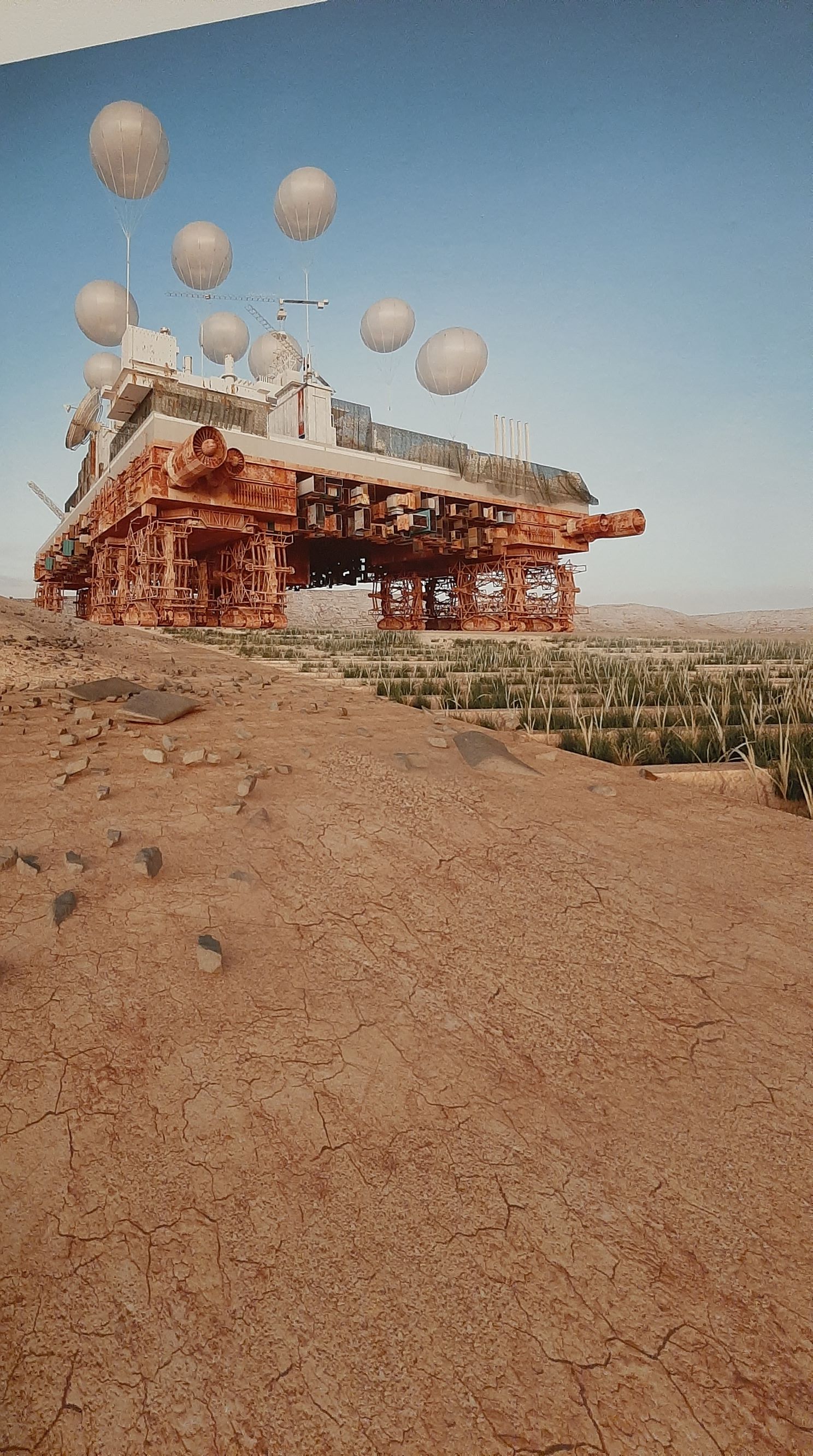
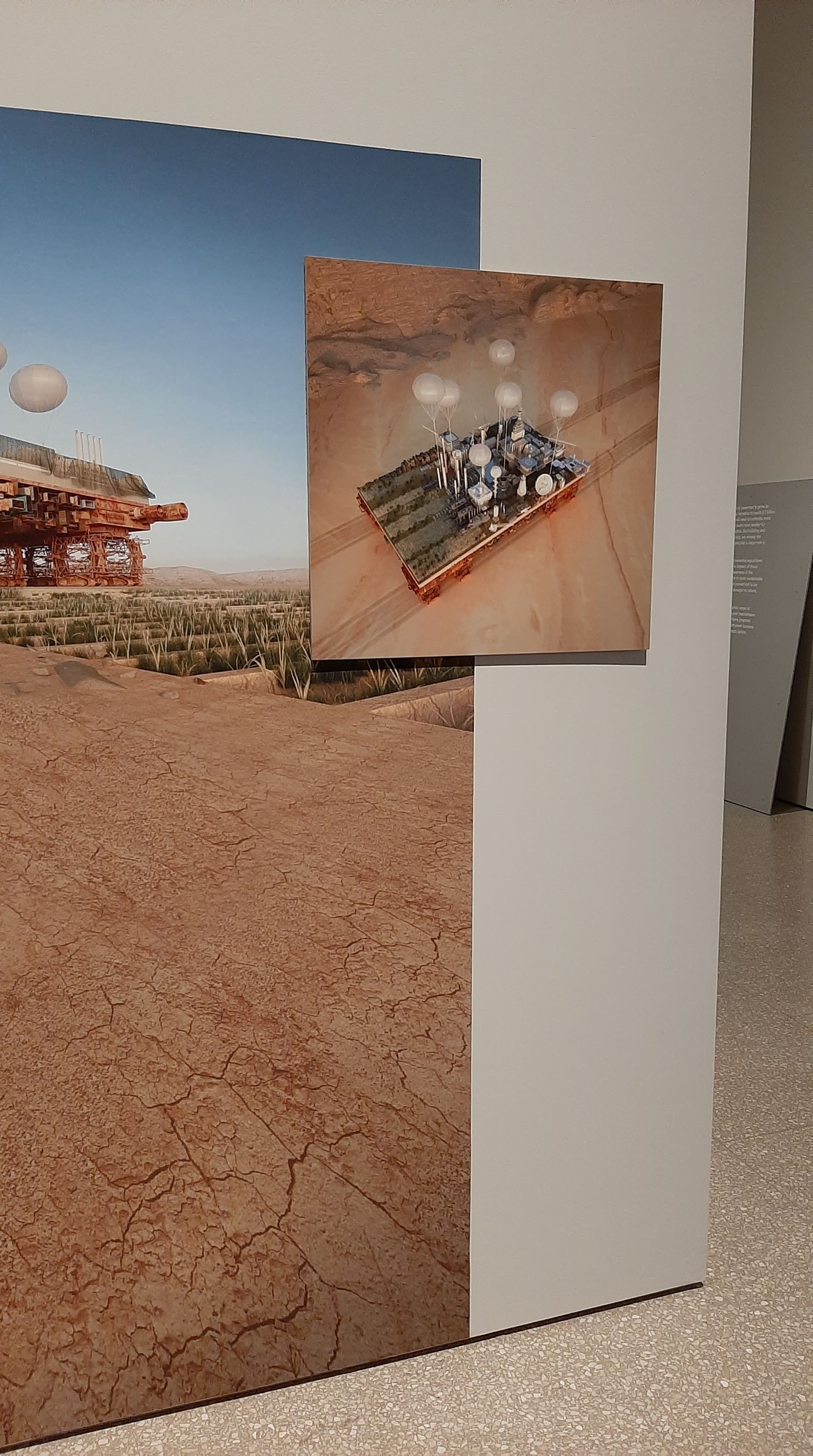
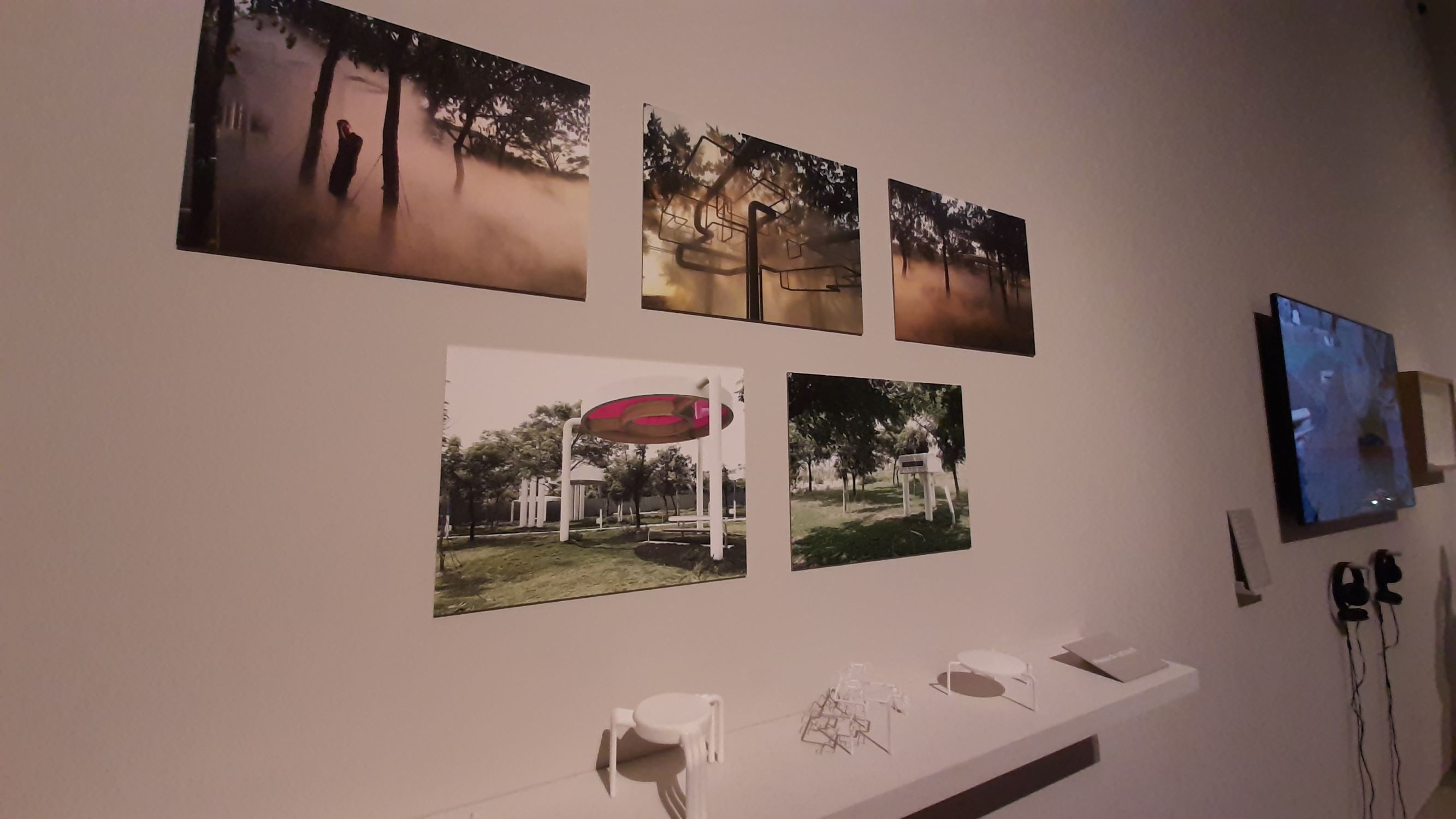
After both the fanciful and pessimistic imaginings of the second room, the third room aims to present a more grounded perspective, offering real solutions for the here and now. In particular, many of the works focus on our relationship with the landscape, in terms of building, farming and consuming, and propose that we interact with our surroundings in a ‘more respectful way’, ‘reconnect[ing] with nature rather than protecting ourselves from it’. Much of this room was very design-centric, so it’s harder to relate it back to my own work, but it is heartening to know that there are ways of using creativity in such a productive way, using it to think outside the box and incorporating aspects from other fields to produce ideas that may not have emerged from a single subject.
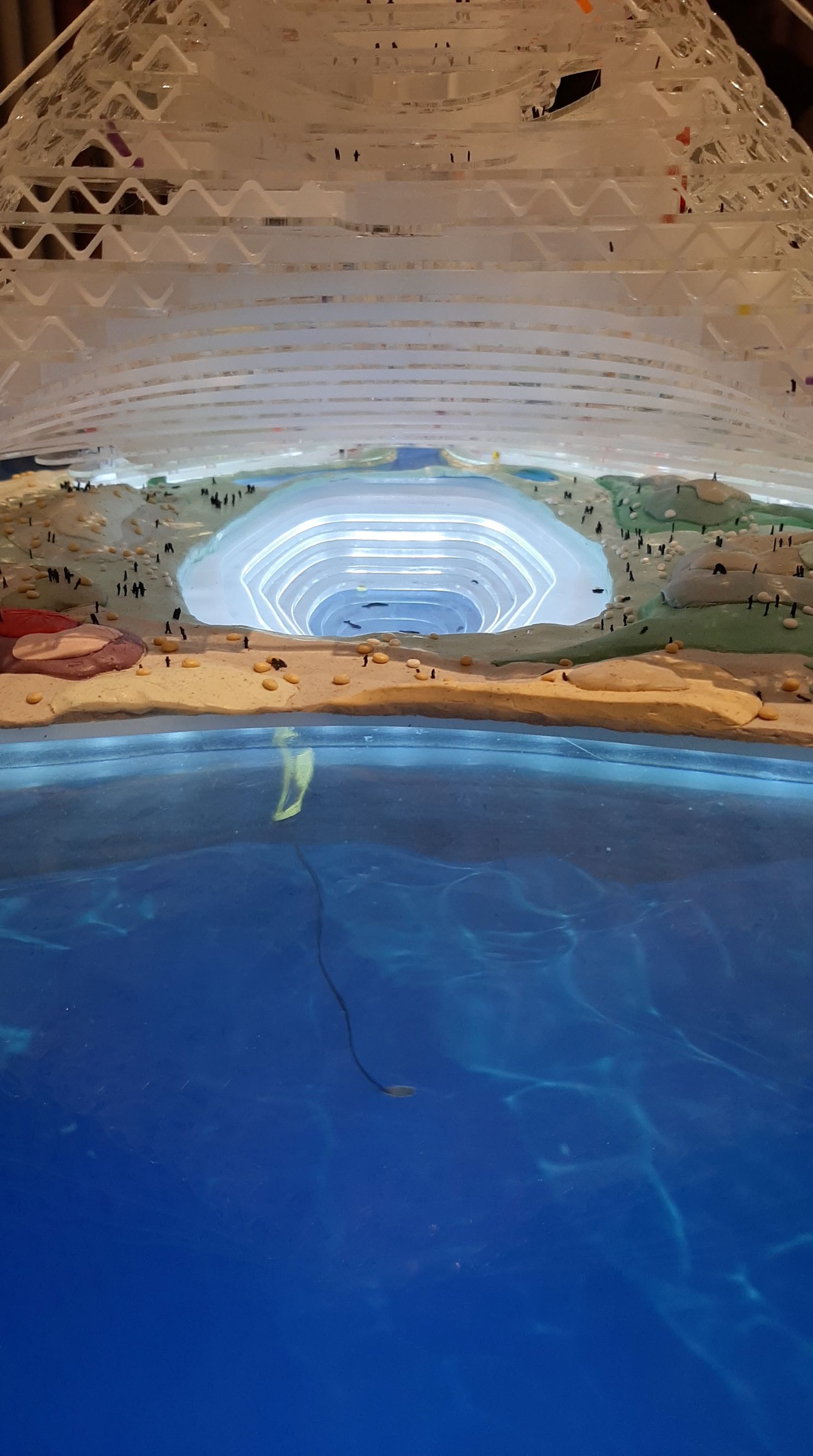
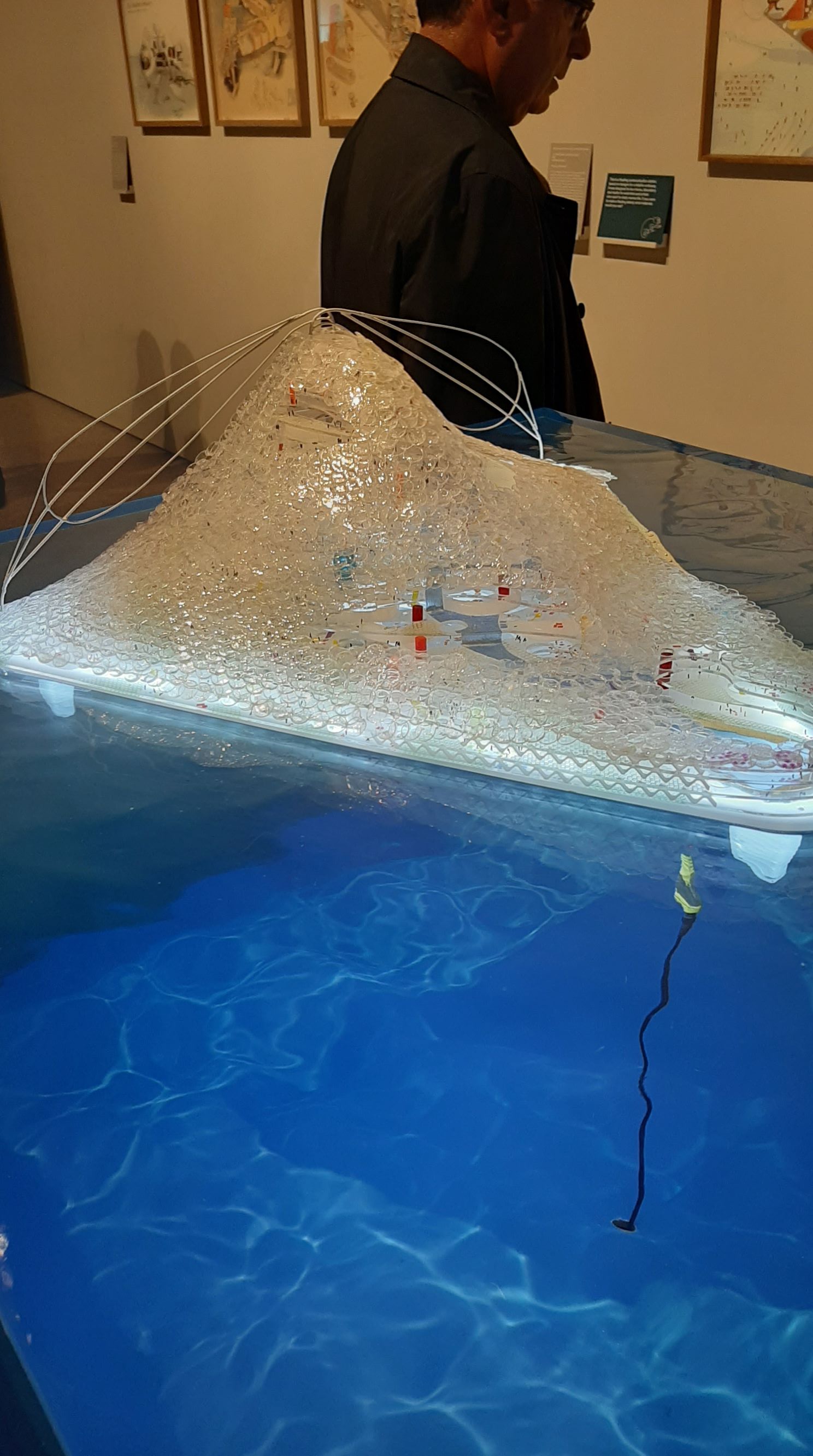
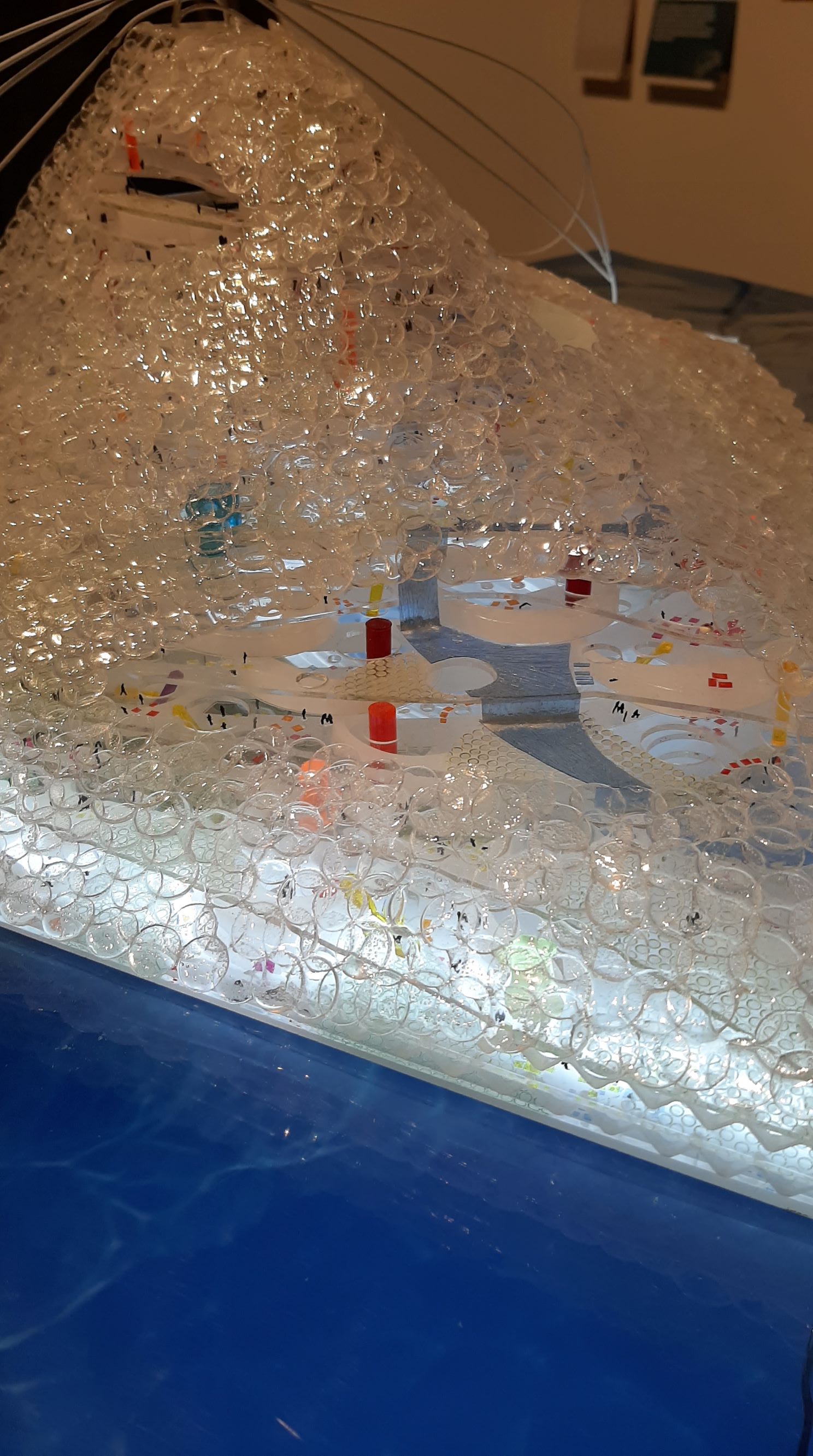
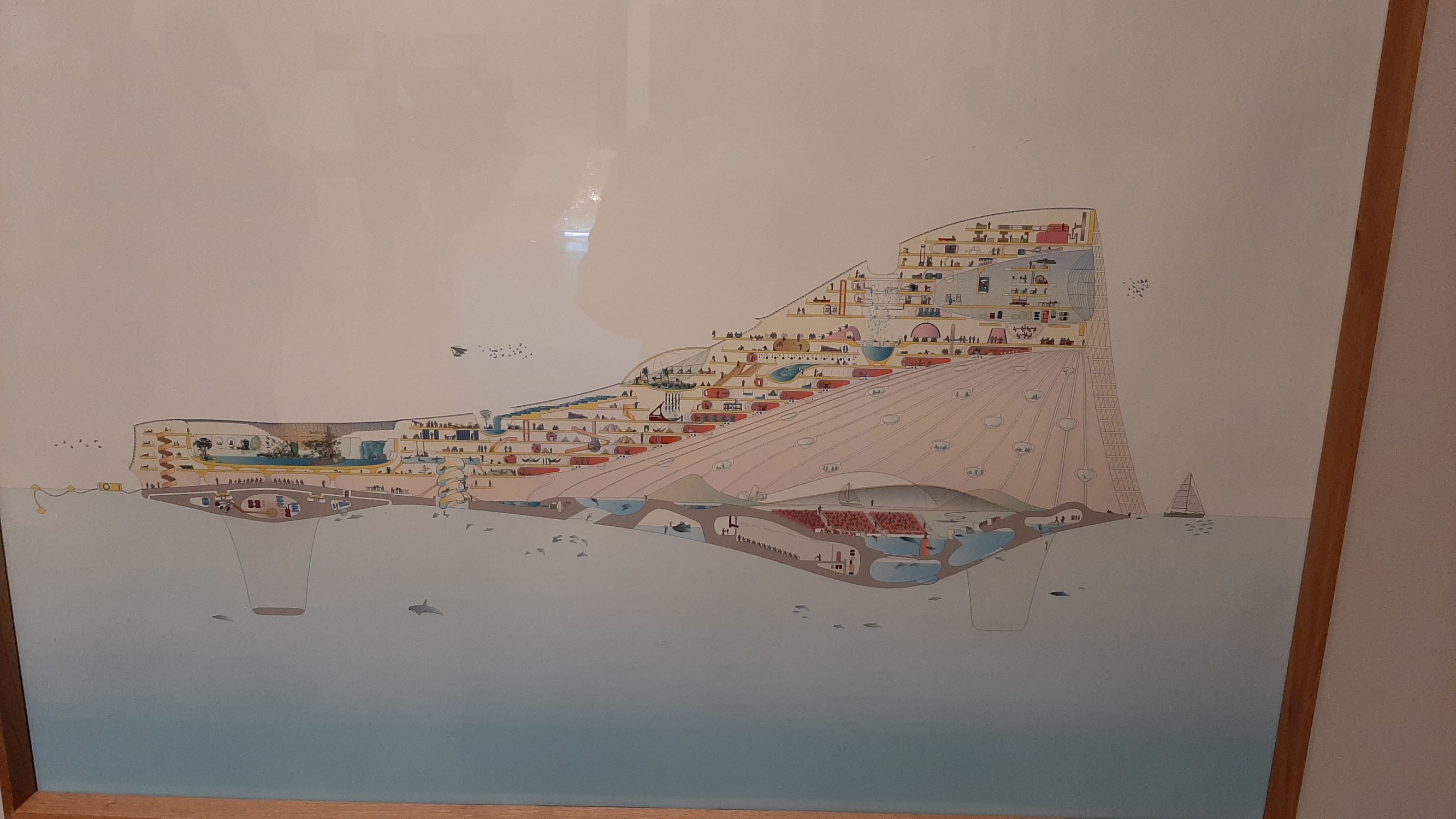
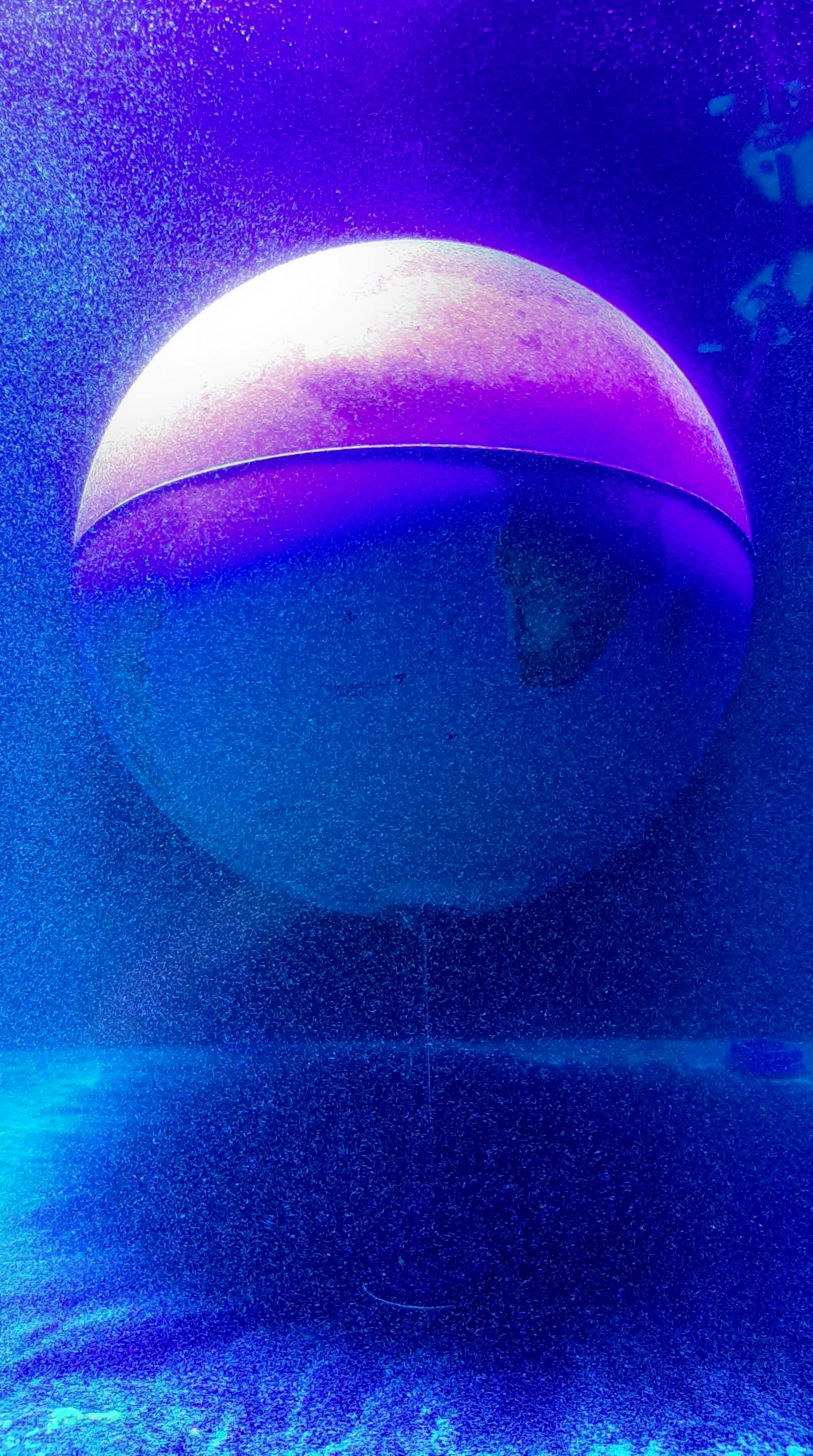
At the end of this room, however, there was a curved wall with a closed door into one last room, a room showing Rimini Protokoll’s win >< win. Outside the door, which was manned by a member of staff, was a timer counting down until the next viewing (from about 7 minutes downwards), and at the end of the timer the staff member would let the previous group out and the next group in. Inside was a small darkened room with a small number of seats facing a mirror (in which you make awkward eye contact with members of the group sitting across from you) and headphones on the seats, through which a voiceover began. The voiceover gets the group to point out, for example, the youngest in the room, then the oldest, and then instructs you to close your eyes and imagine five, ten, fifty years into the future. Upon opening your eyes you then find the lighting has changed to reveal that the mirror was in fact screening a tank full of jellyfish, slowly floating anticlockwise in a mesmerising circular current. The voiceover moves on to describe how while humans are deeply complex creatures, jellyfish are the exact opposite, only having what they need to survive, and are hence almost perfectly designed. A montage of facts and descriptions are then played, and after several minutes a subtle transition in the voiceover changes, and it becomes apparent that the voiceover is now from the point of view of the jellyfish, observing us. As this transition happens the lighting shifts once more to reveal that the tank itself is in fact a two-way mirror, revealing another group of people on the other side. They begin to sign and wave at us, as the voiceover narrates (‘see how they communicate’) and then get up and leave, immediately to be replaced by a new group. This new group cannot see us, and we observe them, in a bizarre deja vu, going through what we went through seven minutes ago, pointing at each other nervously, again as the voiceover narrates (‘see them pointing at who they think will die first’), with no idea that they are being observed. During the next seven minutes the voiceover explains how jellyfish suit the warming seas, so as other species struggle and perish in the changing conditions, jellyfish will thrive. Then the voiceover instructs us to wave goodbye and now we are the ones waving and signing at the group seven minutes behind us, and then leaving. As only one group are let in and out at a time, you have no idea until half way through that there are in fact two groups inside at any one time. The piece is bizarre but cleverly created and represents well the coming and going of human generations in comparison to the seemingly undefeatable jellyfish. While the format and focus on jellyfish is not similar to my own work, I do feel the piece did an amazing job of representing the tiny human lifespan in comparison to larger timescales, something that is present in my own work. The piece is so wildly different to anything I have ever attempted that I am not sure practically what I could take from it into my own work, but it will definitely stick with me and perhaps something will emerge from it after it has sat at the back of my mind for a while.
In all, the exhibition was somewhat like a physical manifestation of Eliasson’s Expanded Studio: a three dimensional brainstorm in art, design, architecture, biology, chemistry, physics, imagination and climate change, exploring positive new solutions but pushing a strong message of urgency to confront the emergency at hand.

 Anna Harris