On Tuesday I attended a trip to a Trenoweth Quarry, near Penryn, with David Paton (Associate Lecturer – works part time at the quarry, making art with the Cornish granite). We met at Penryn campus and walked from there, through local farms and other nearby quarries. The walk was good for contextualisation, giving us a bit of a feel for the local landscape and in particular the local politics; I learnt about mineral rights between the farms and the quarries, land ownership, the difference between monumental and aggregate quarrying, the variation in size of the quarries (e.g. Carnsew as compared to Trenoweth) and just generally the exposed conditions and surroundings of the quarries. Being with someone who worked at the quarry was a great way of being introduced to the place from an insider’s perspective, being able to chat to everyone that worked there and not feel as though you were intruding (some footpaths go in and around nearby quarries but the signage around the pits isn’t exactly encouraging the public to come in and explore).
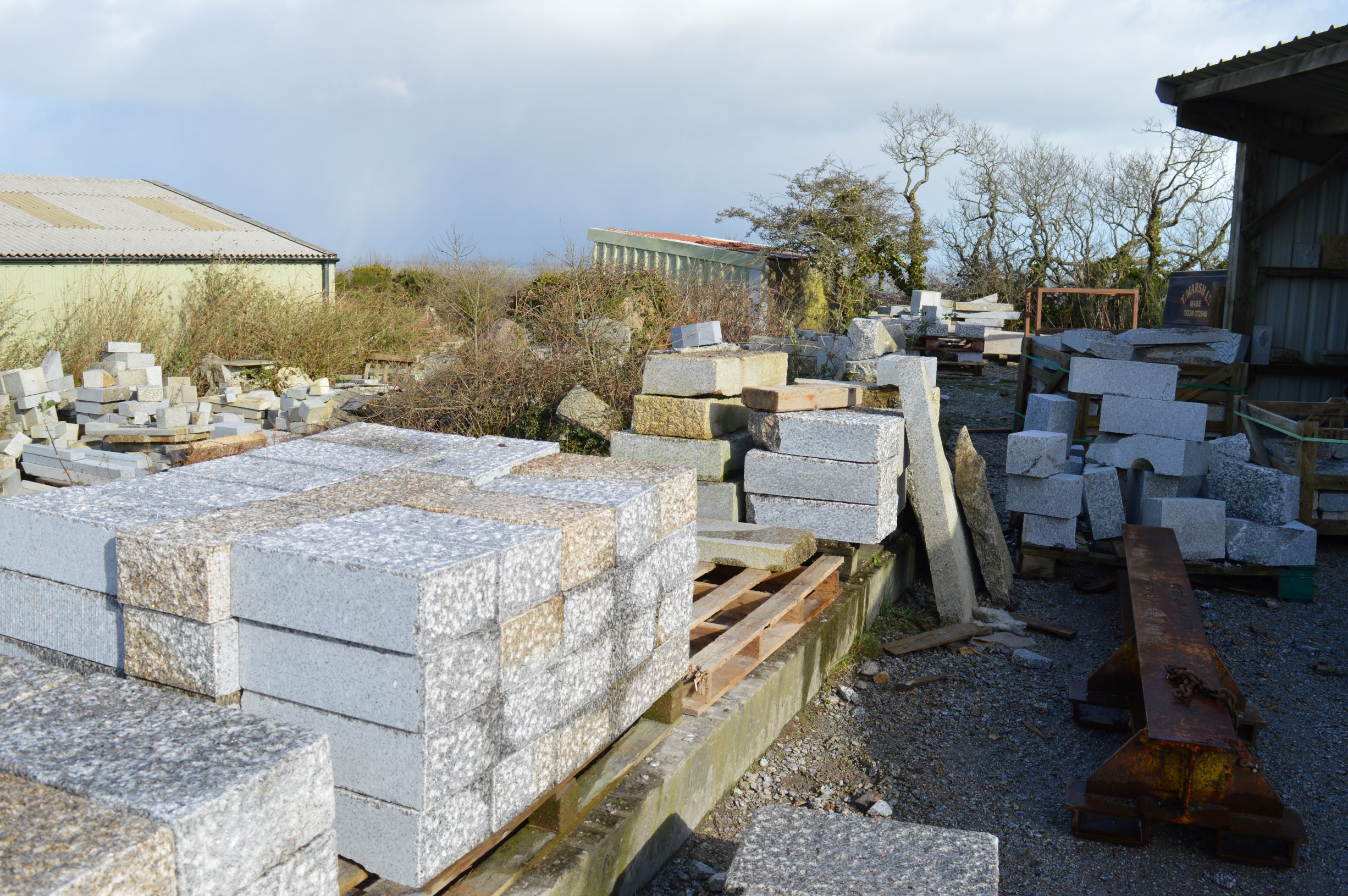
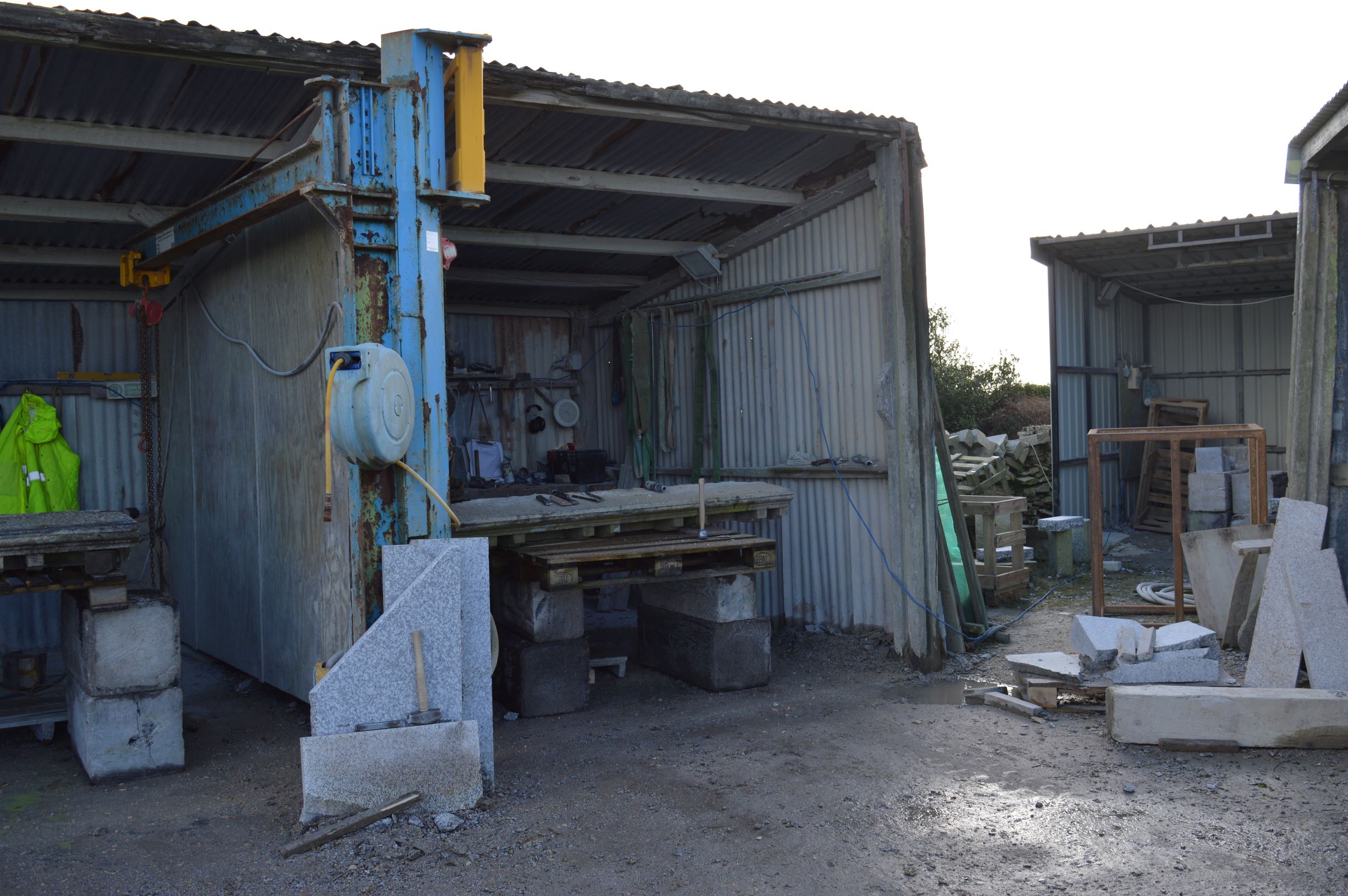
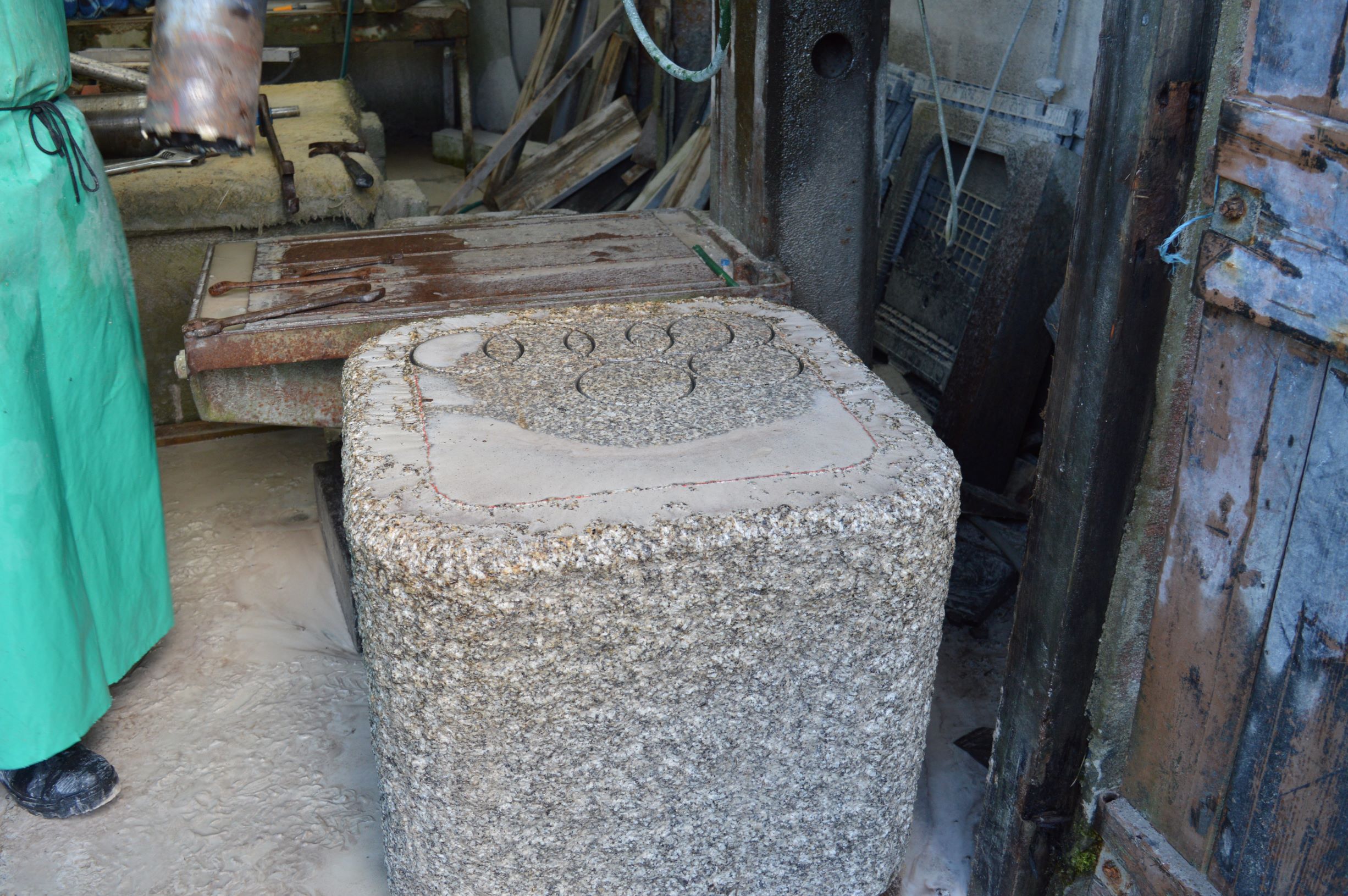
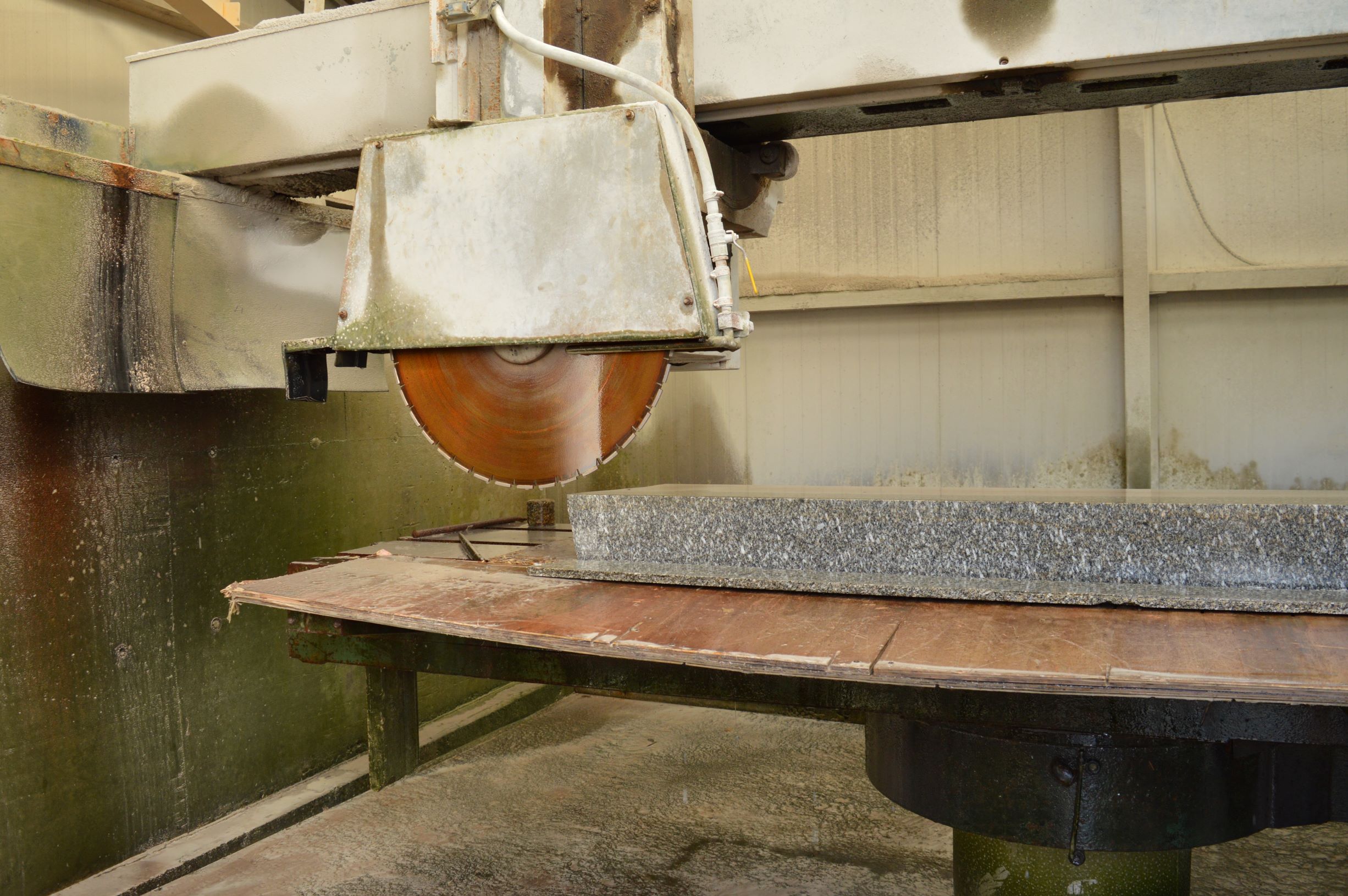
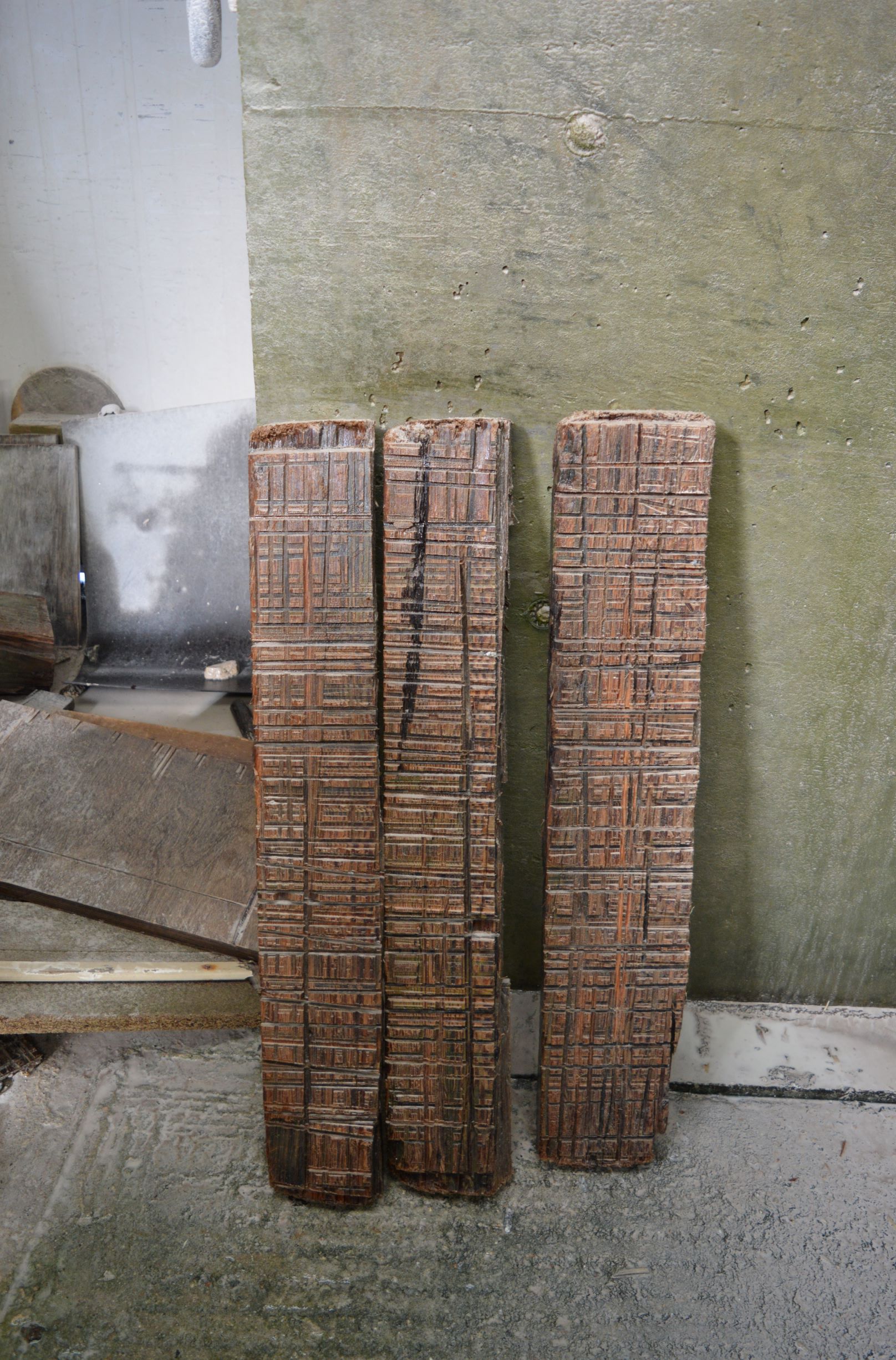
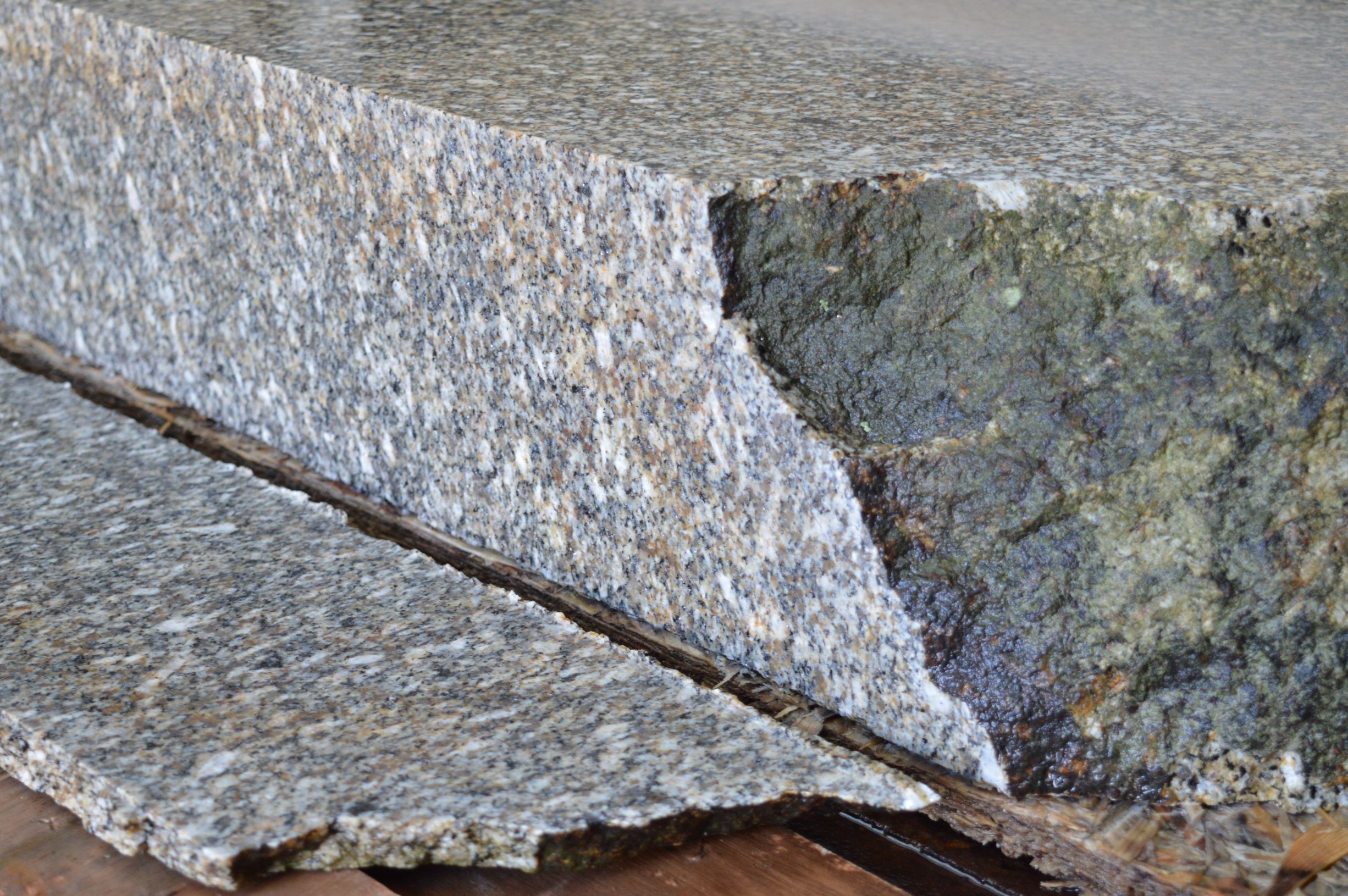
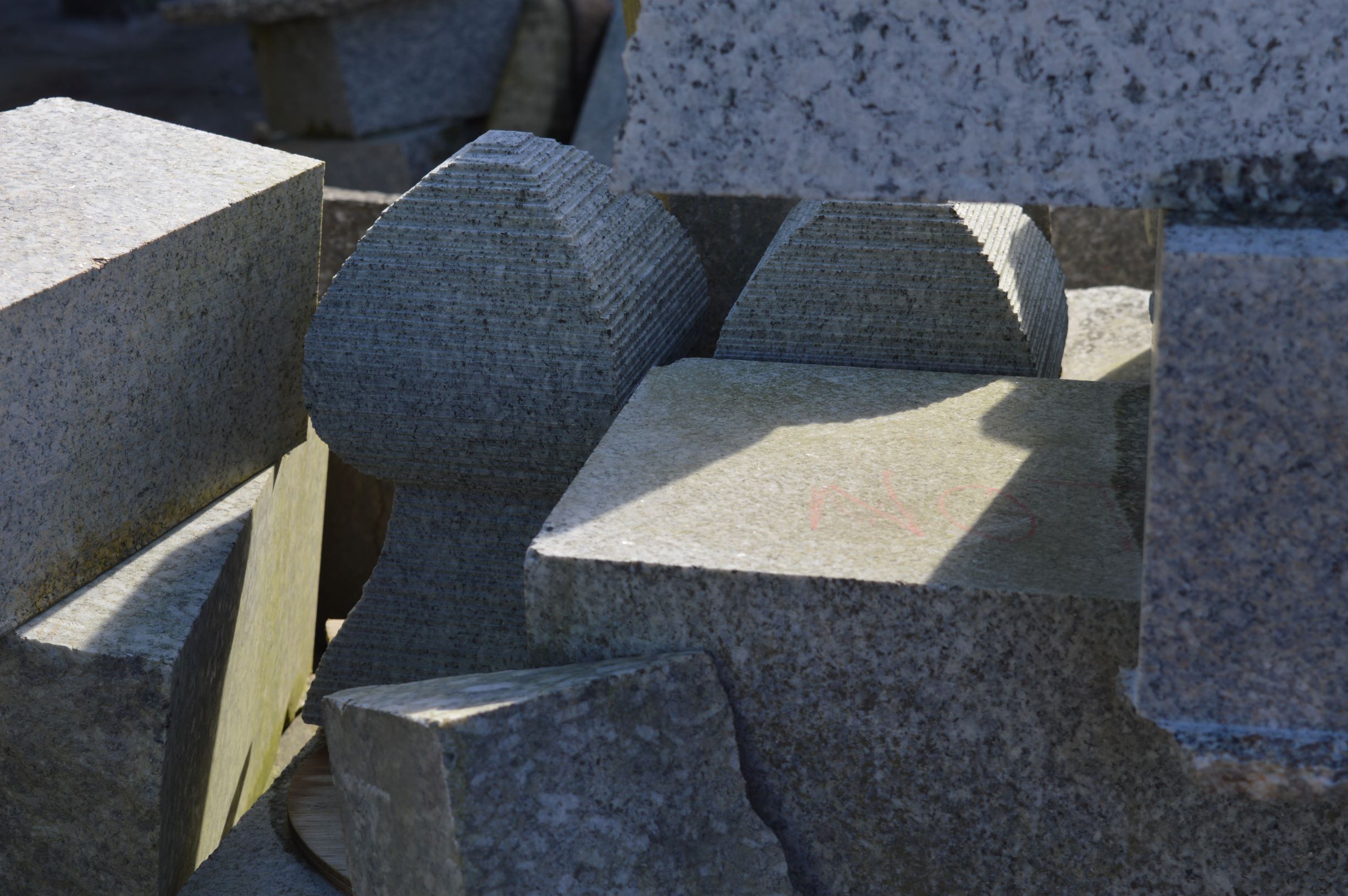
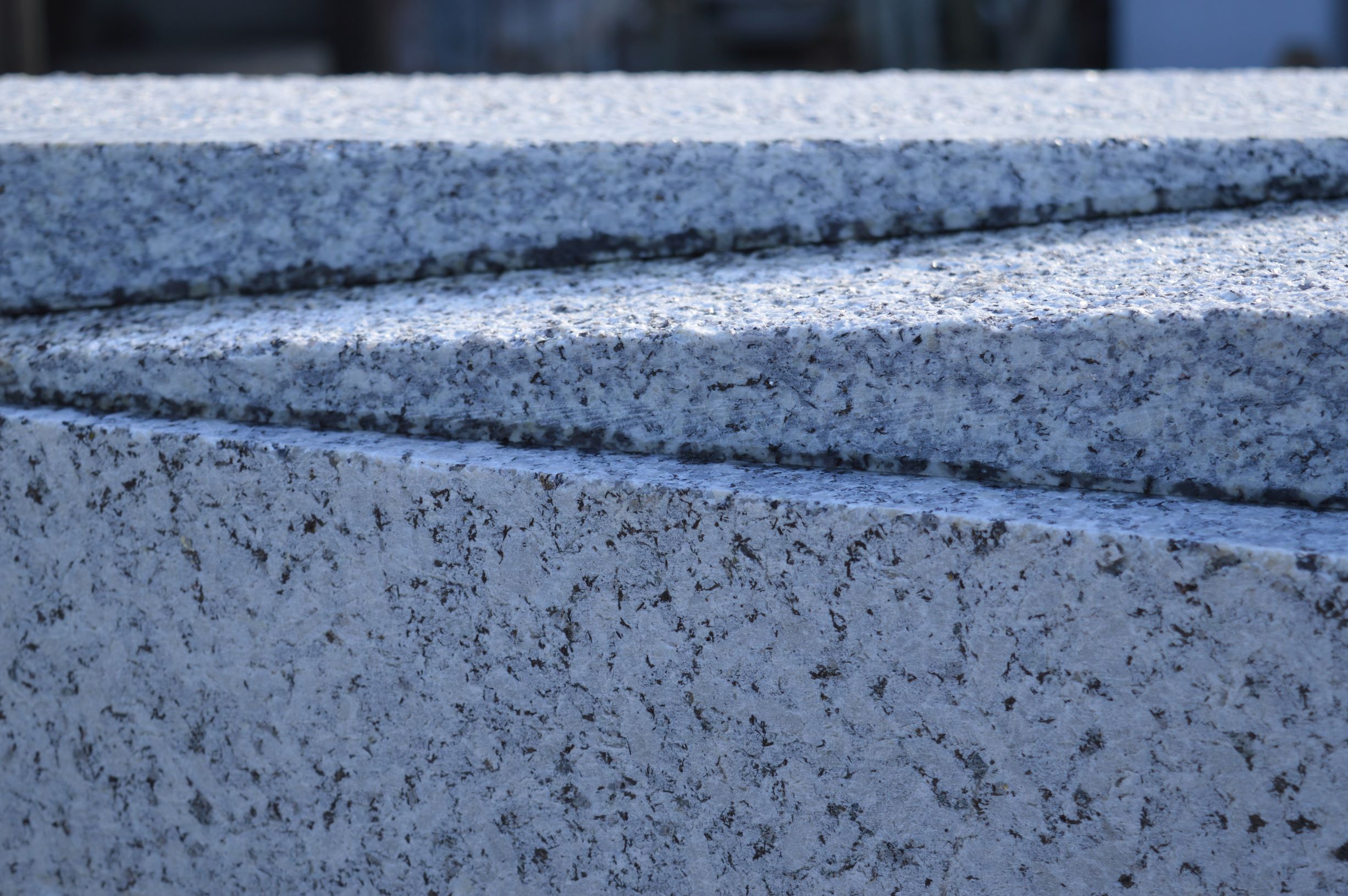
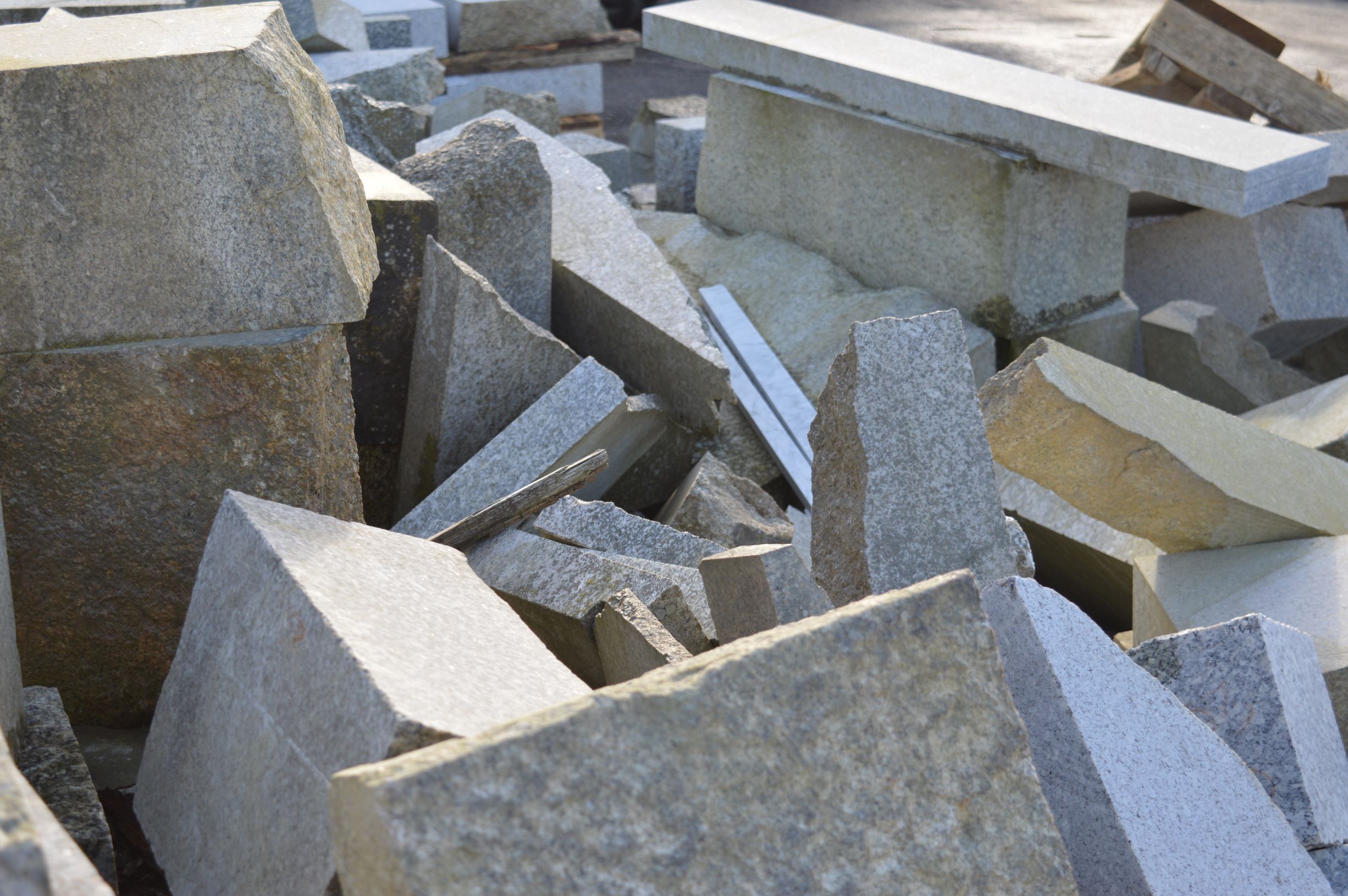
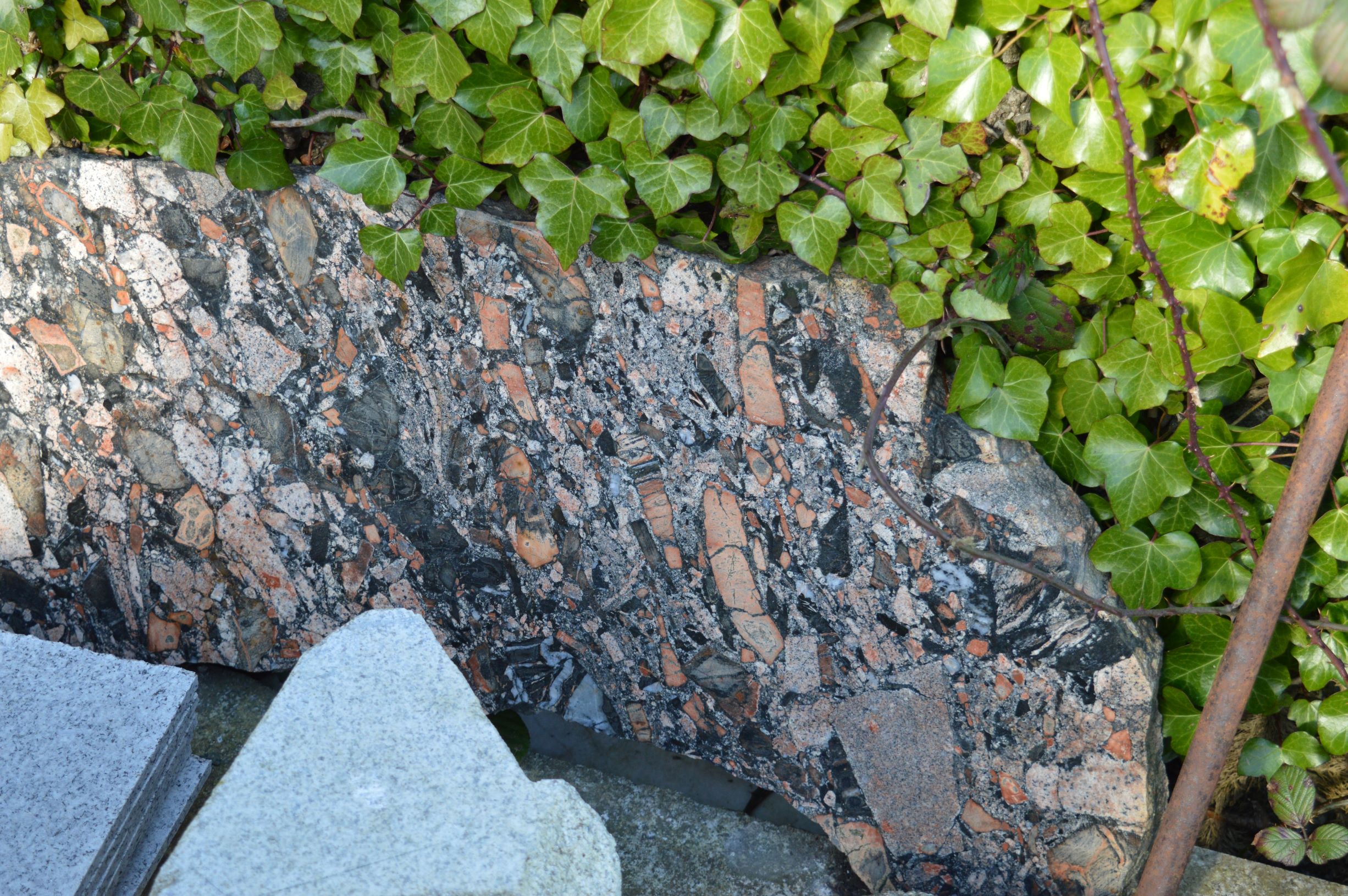
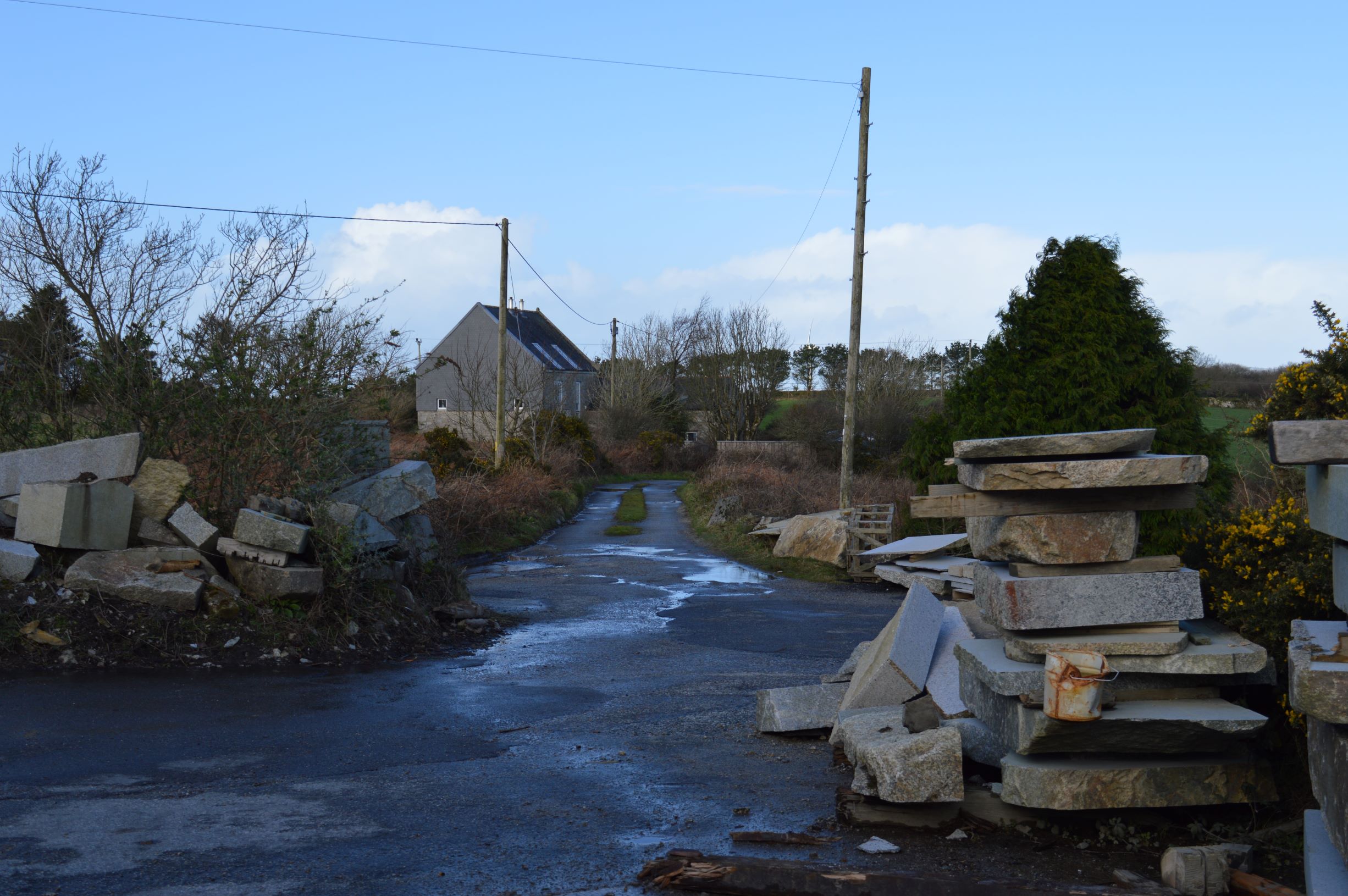
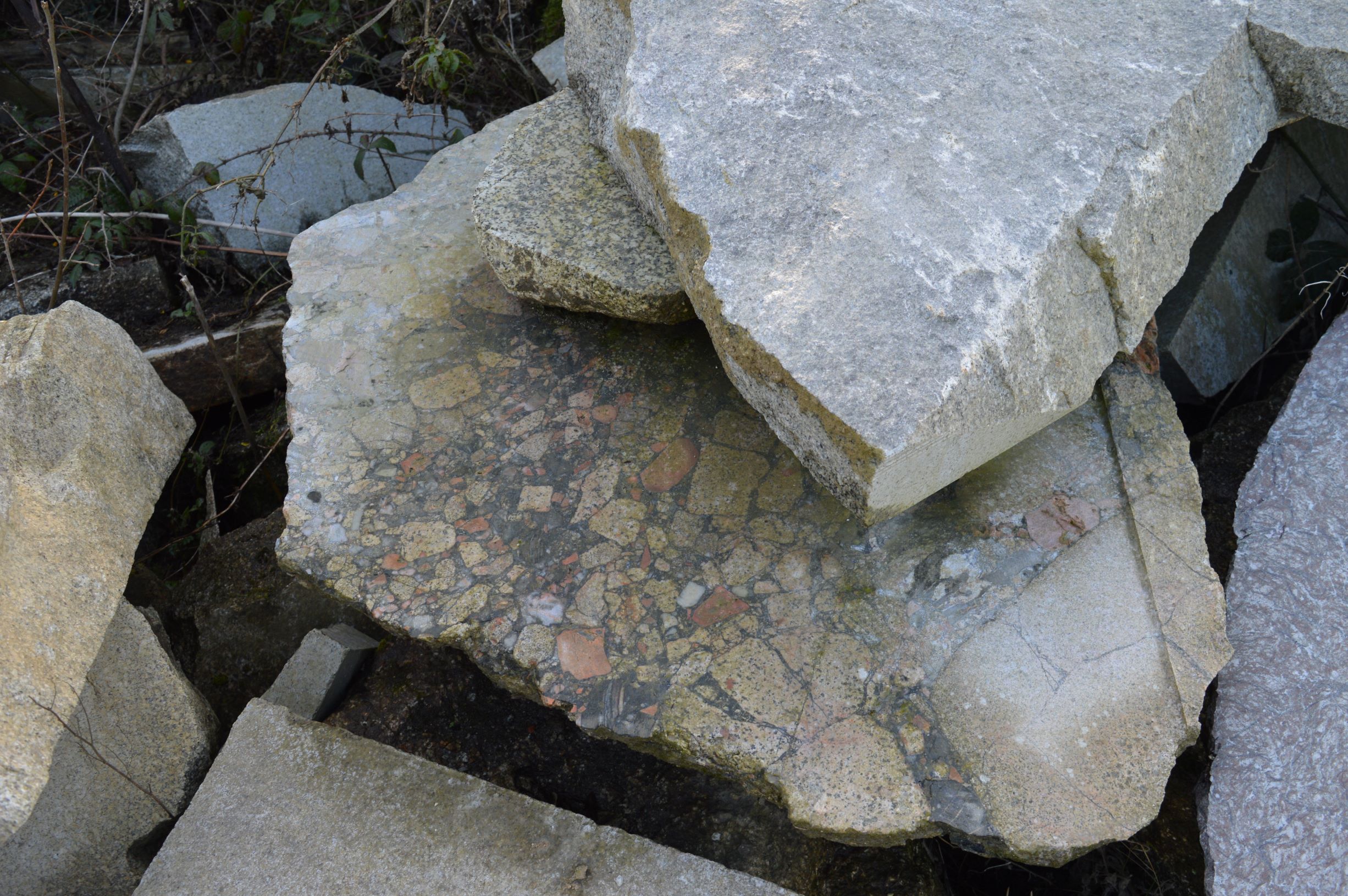
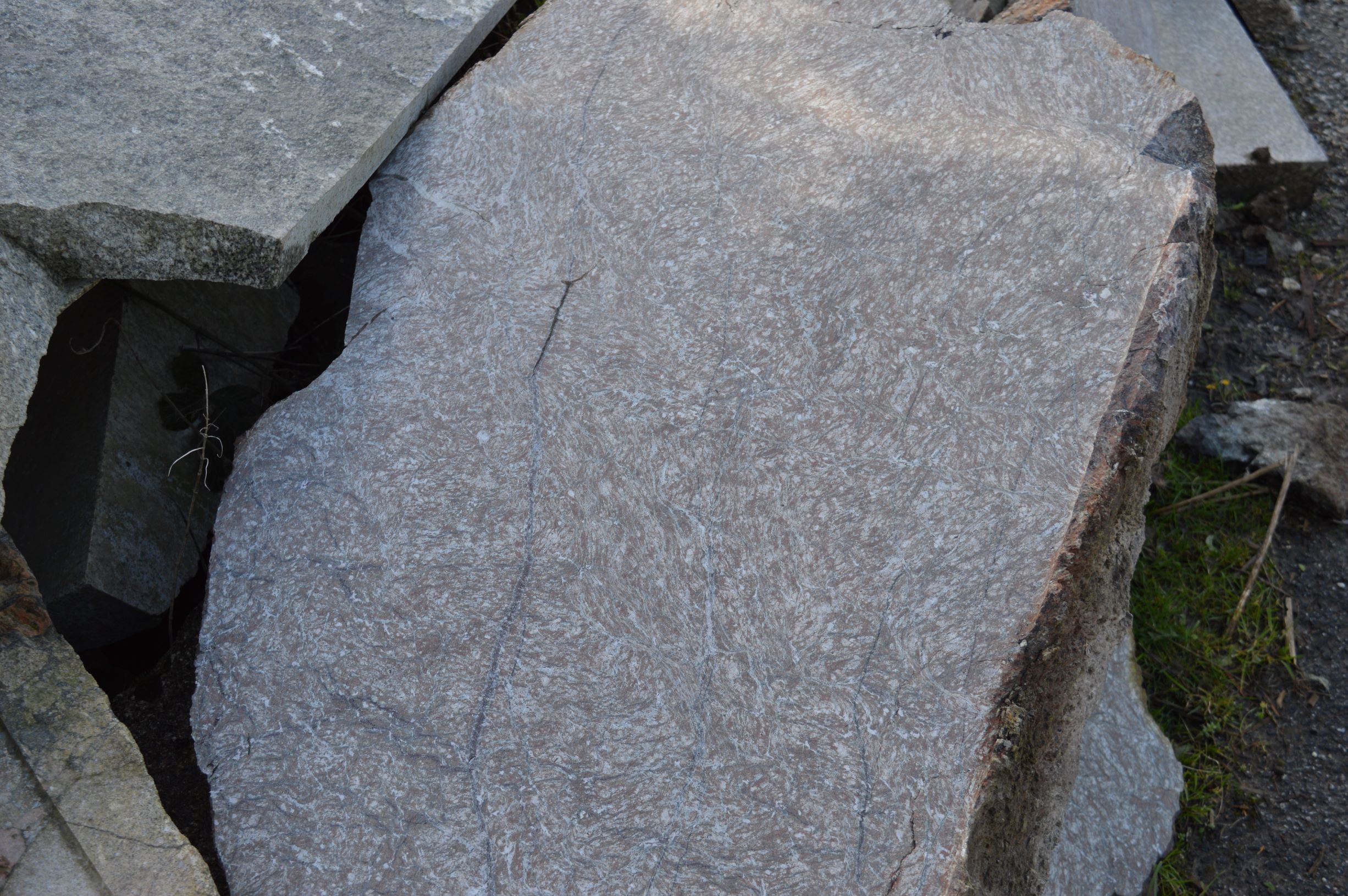
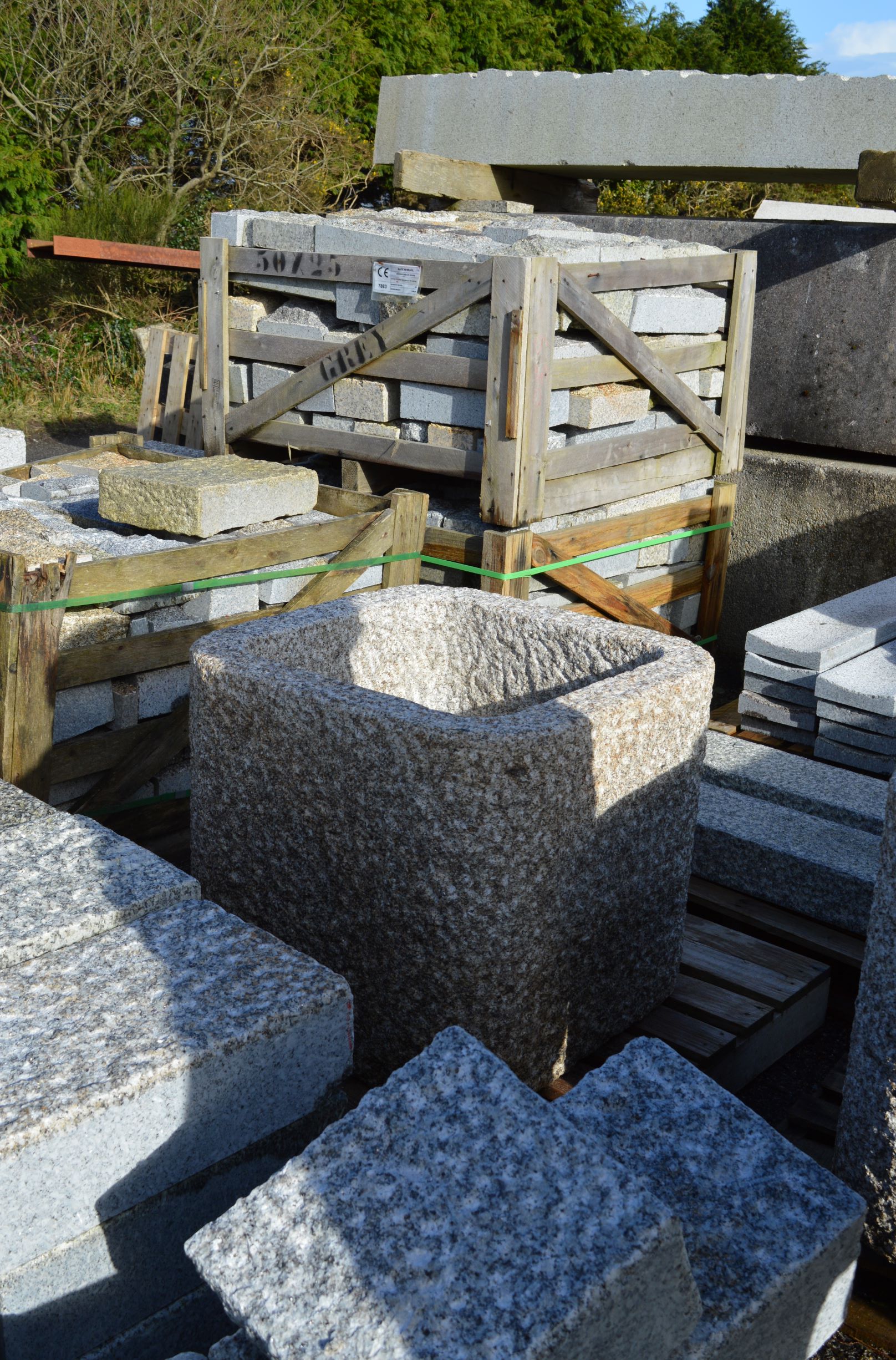
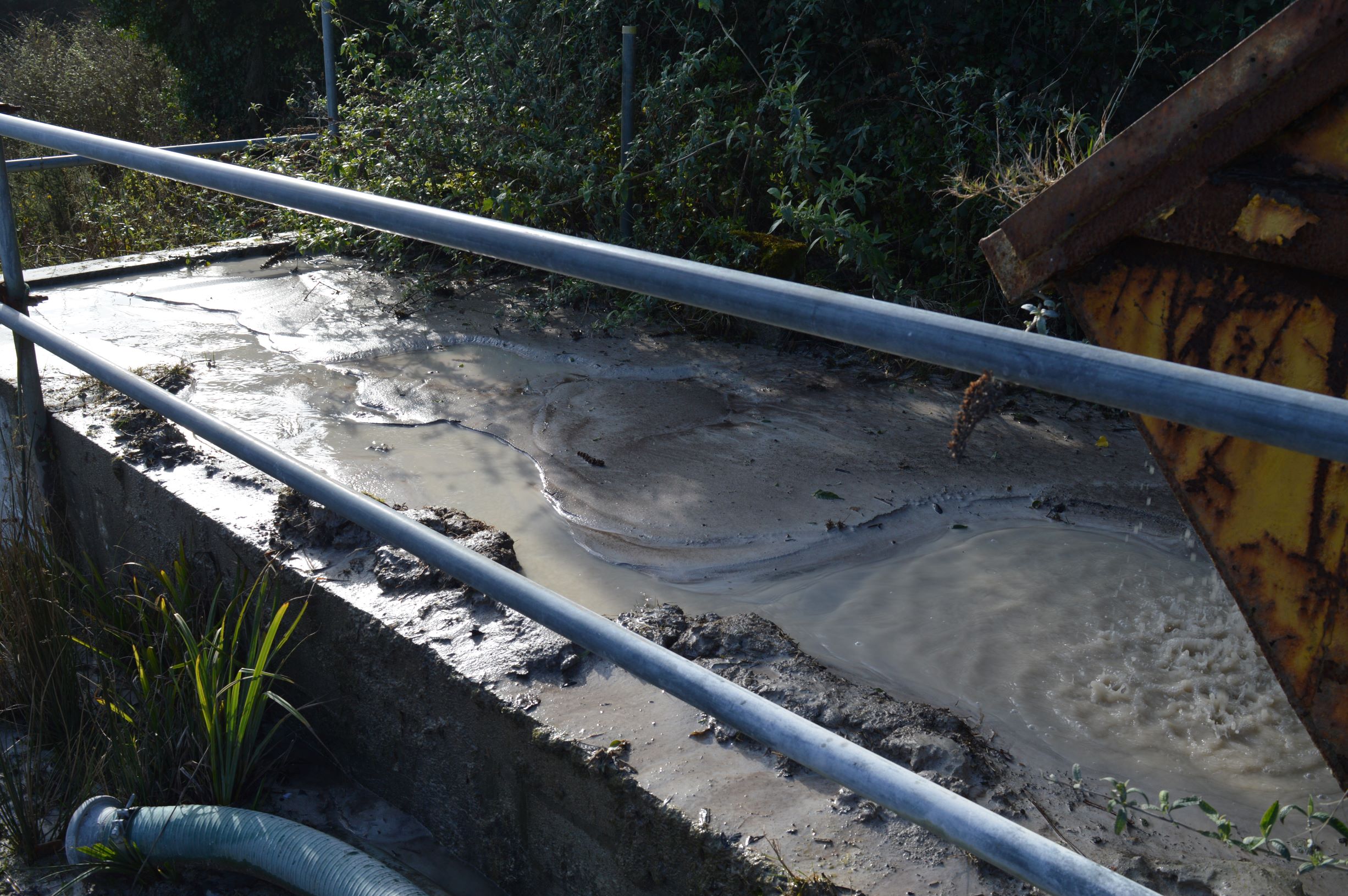
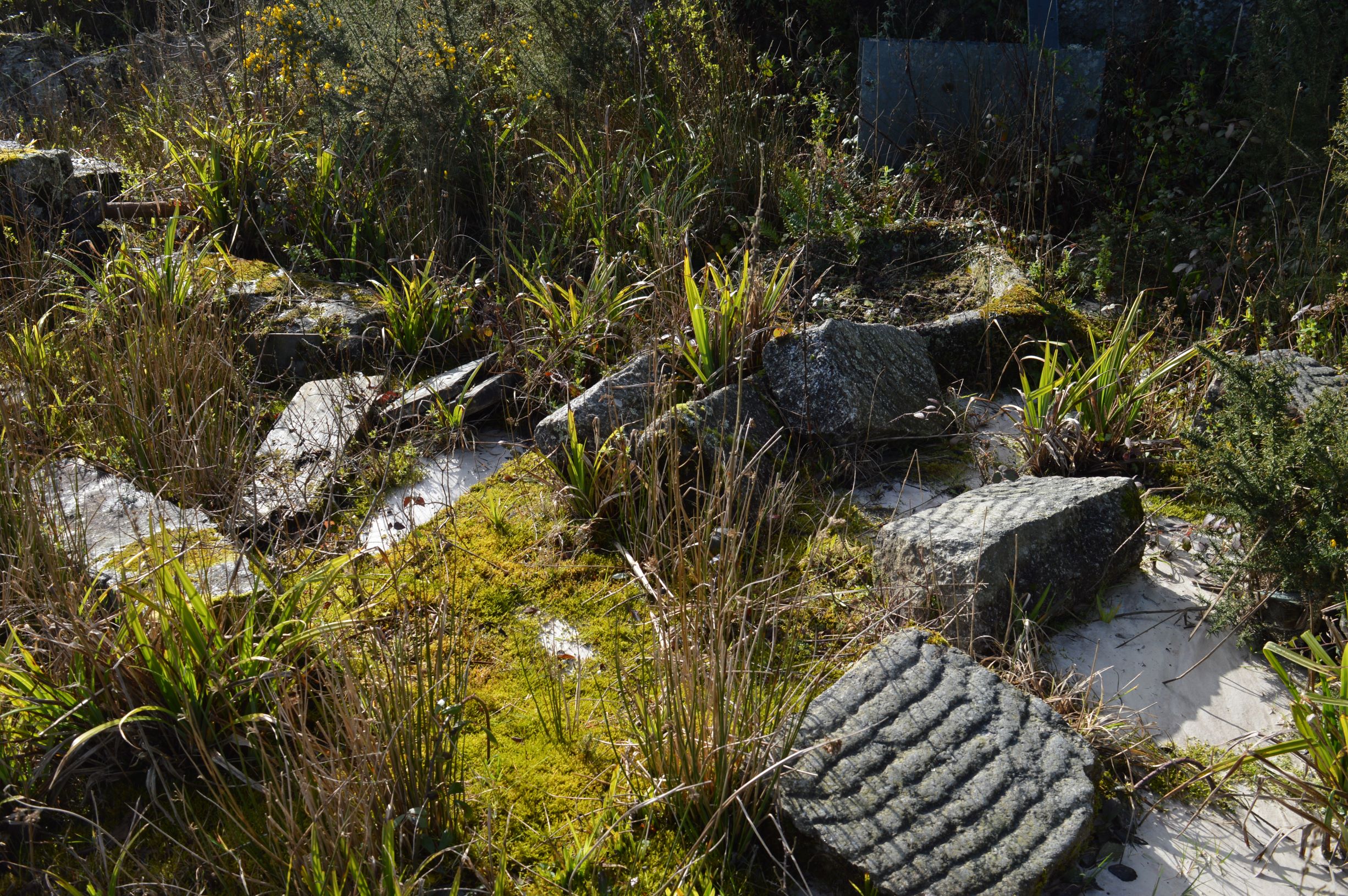
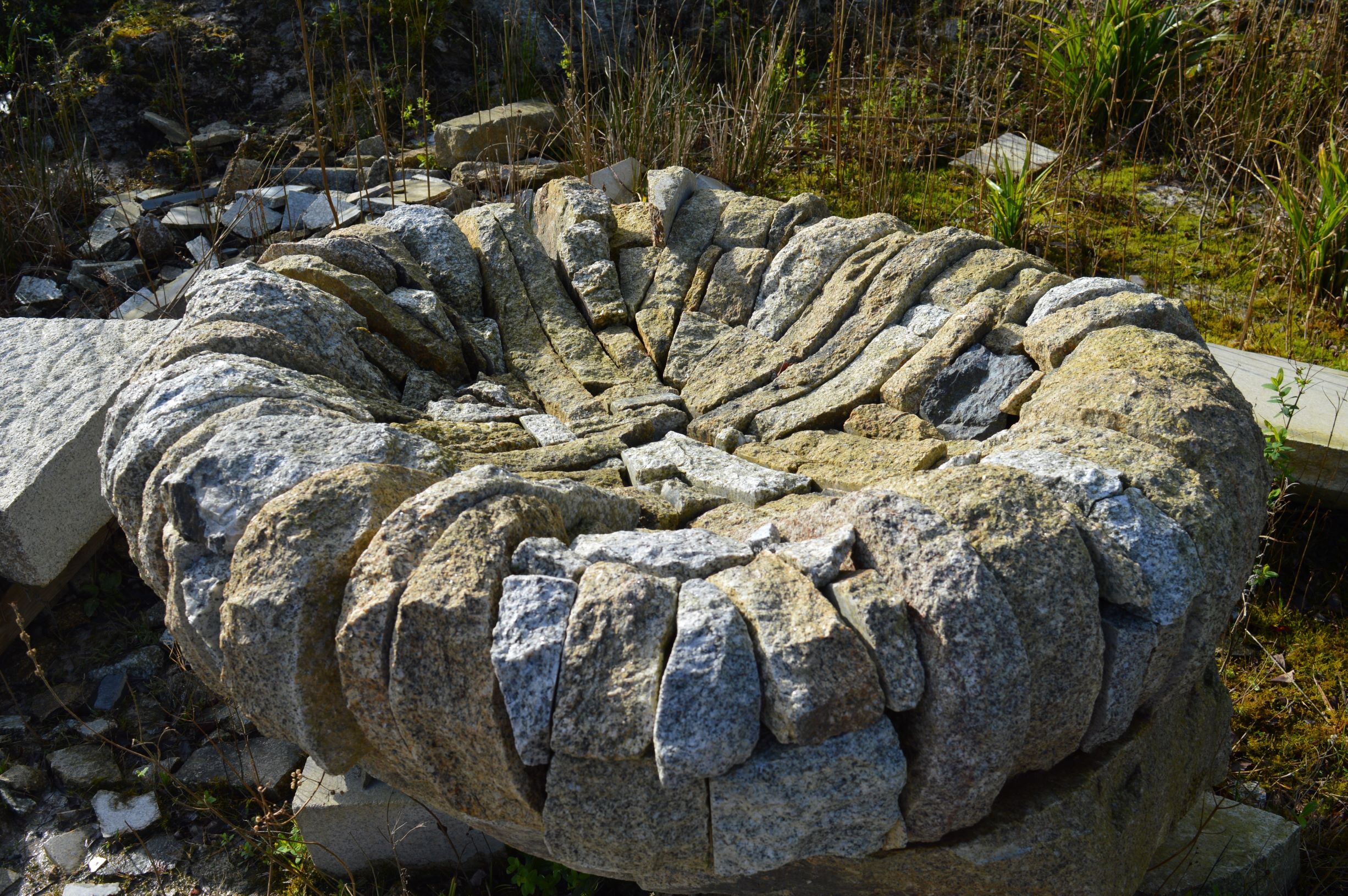
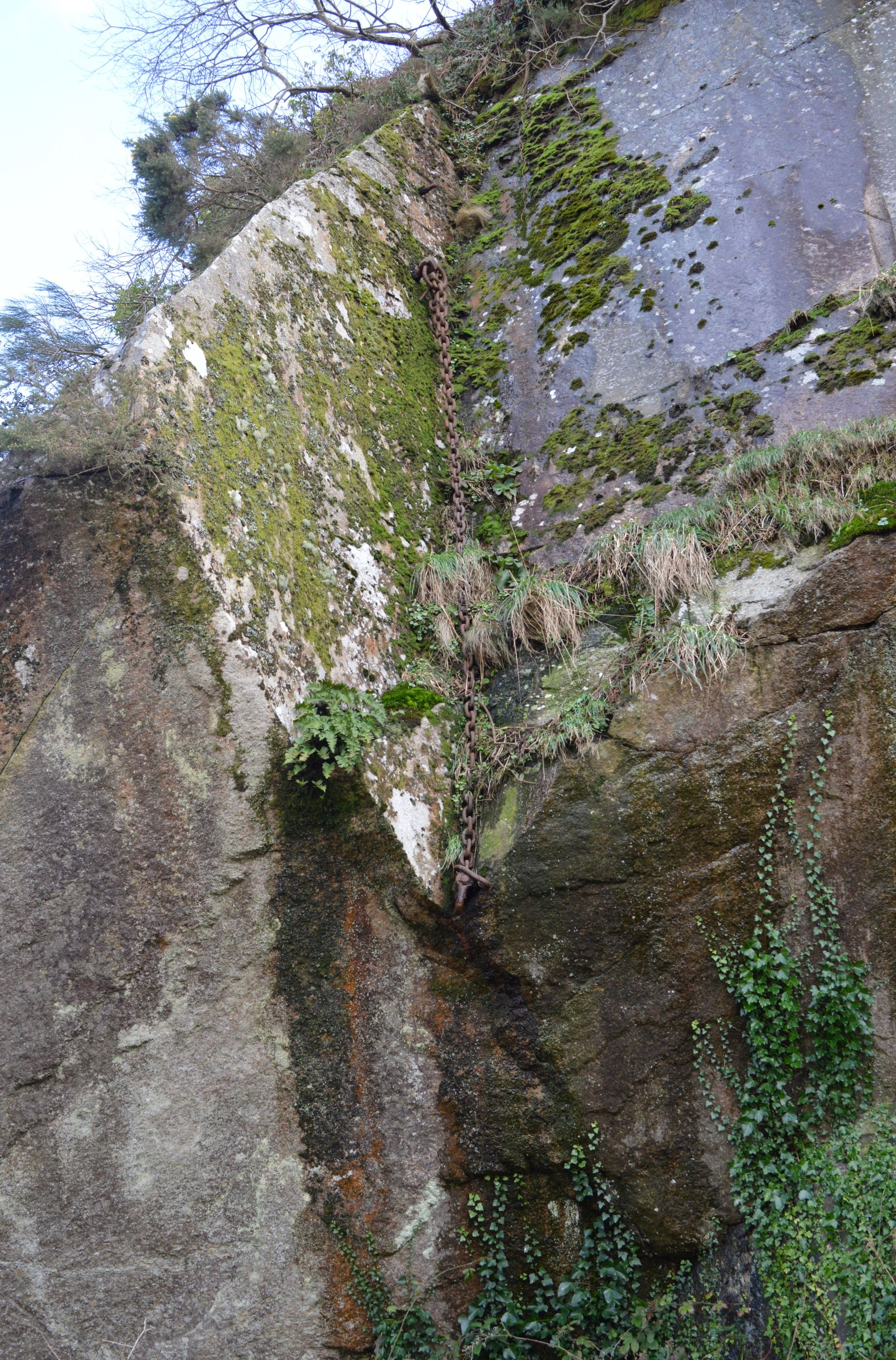
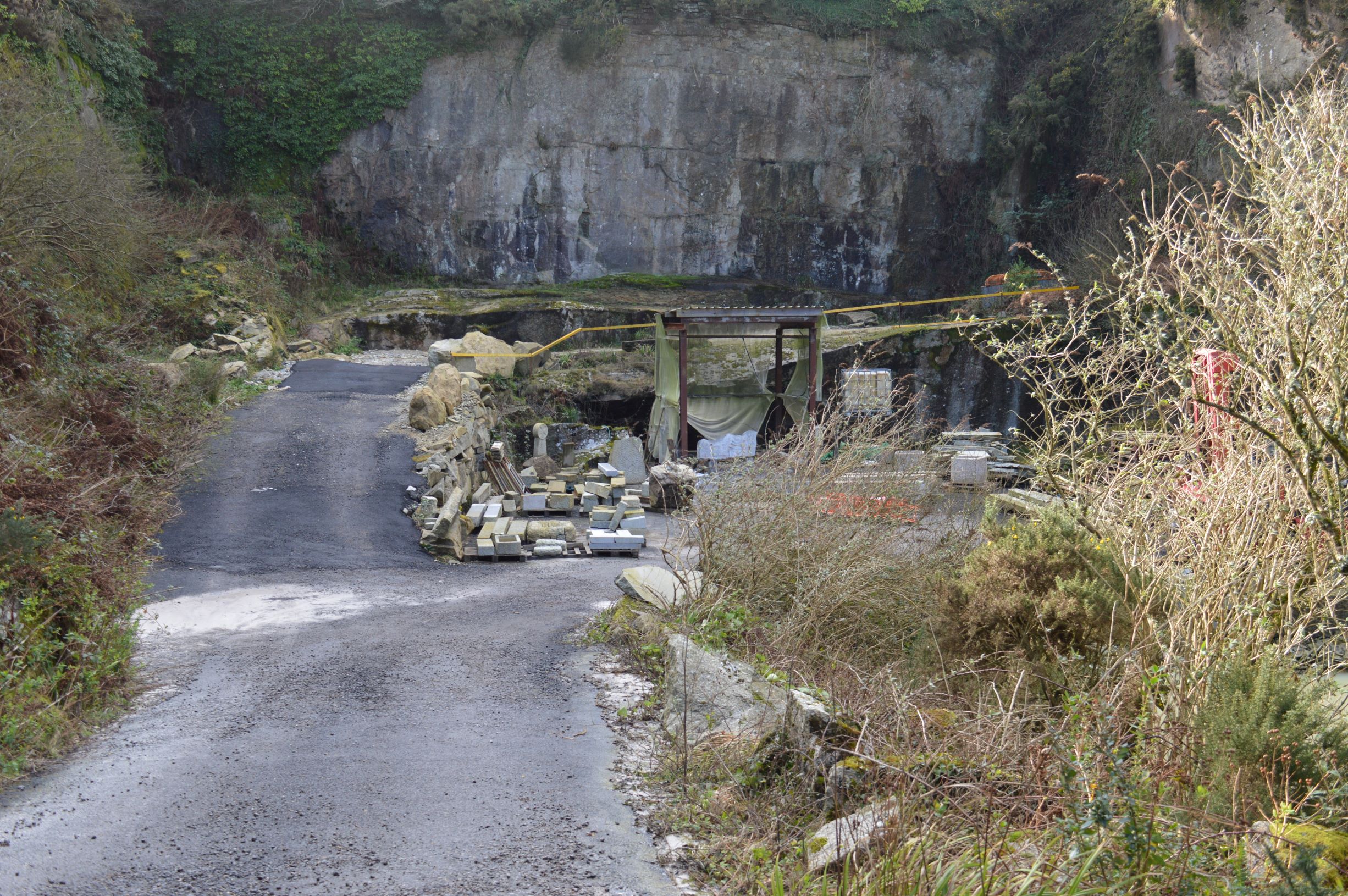
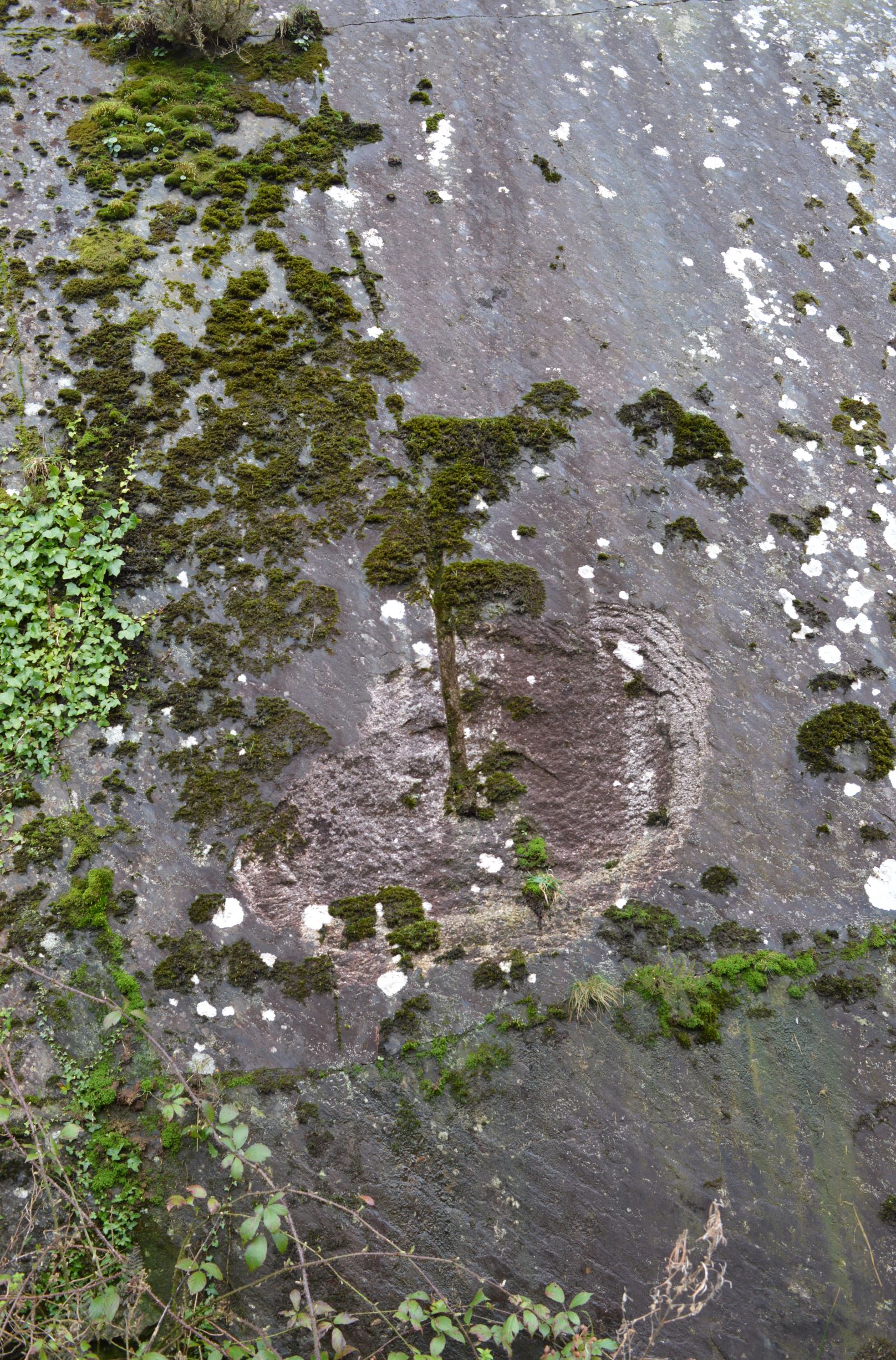
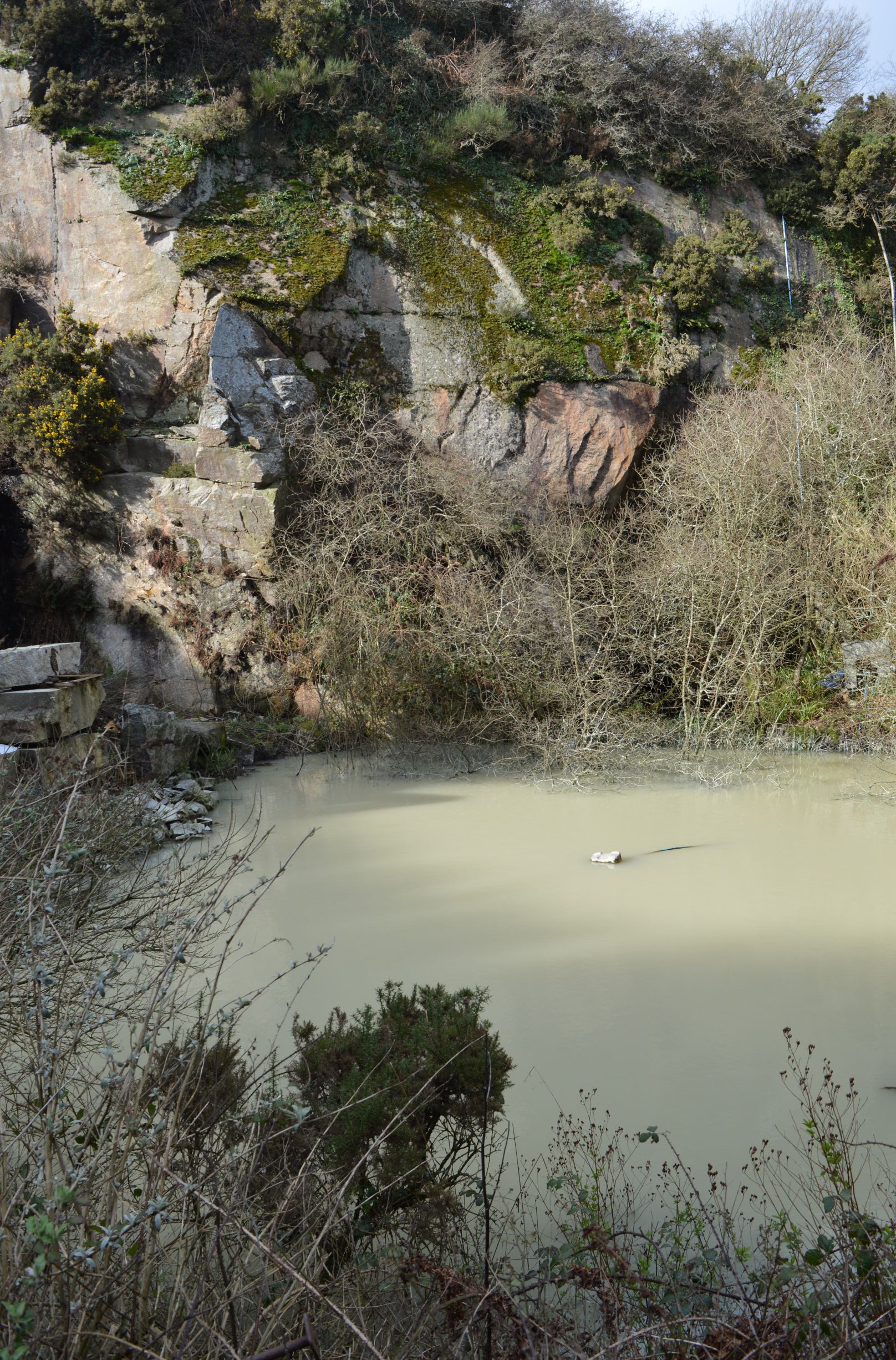
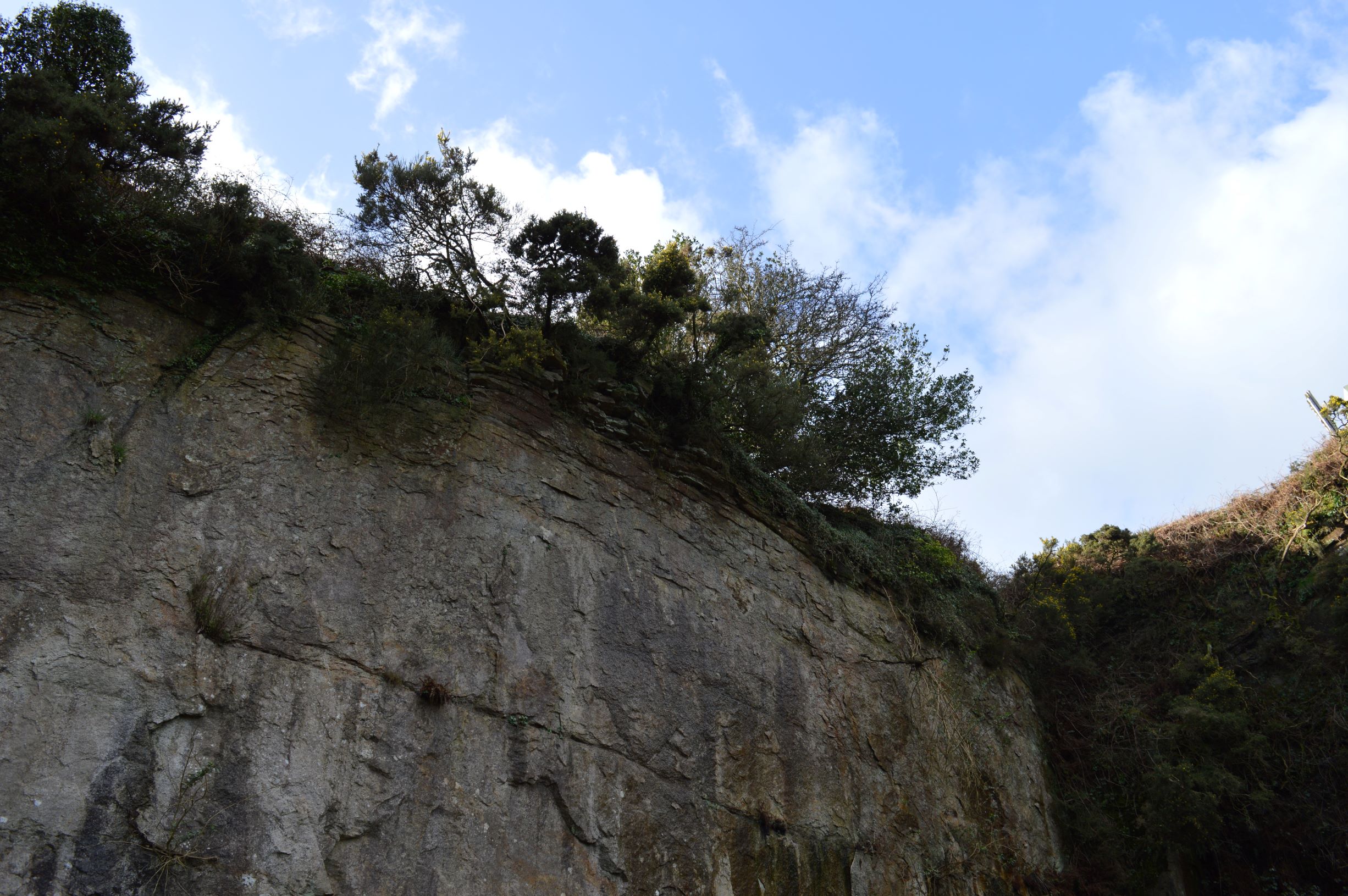
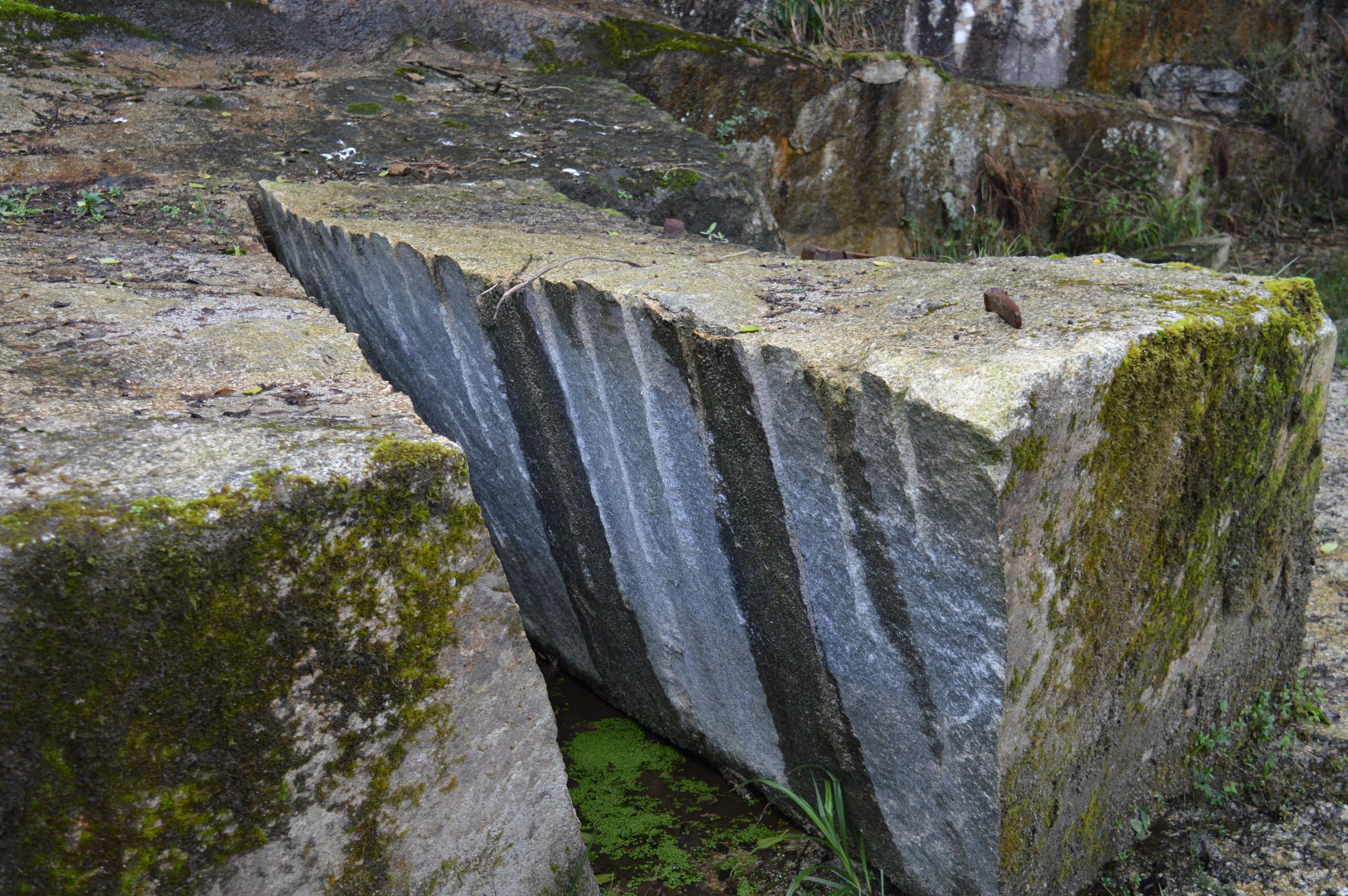
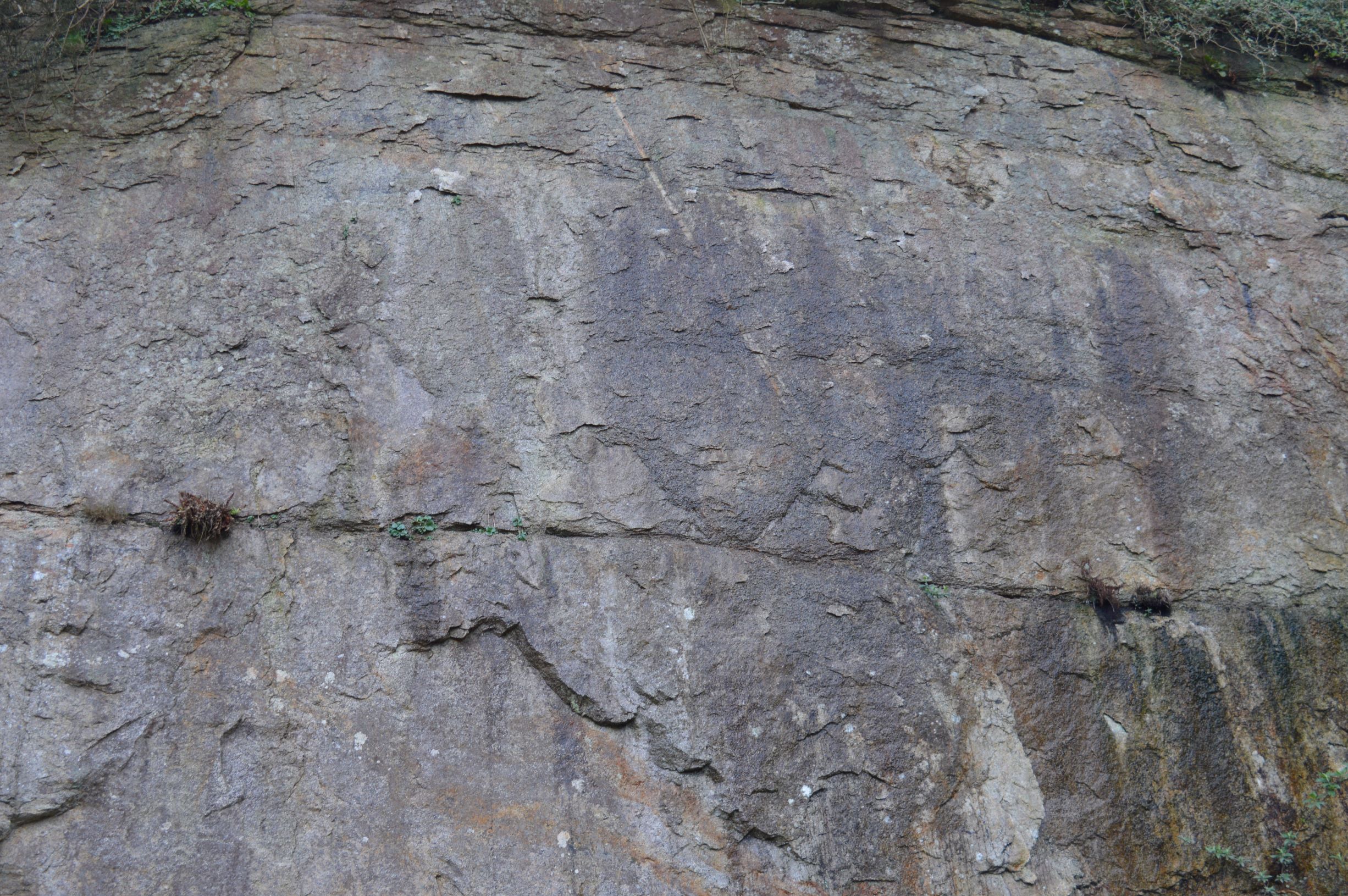
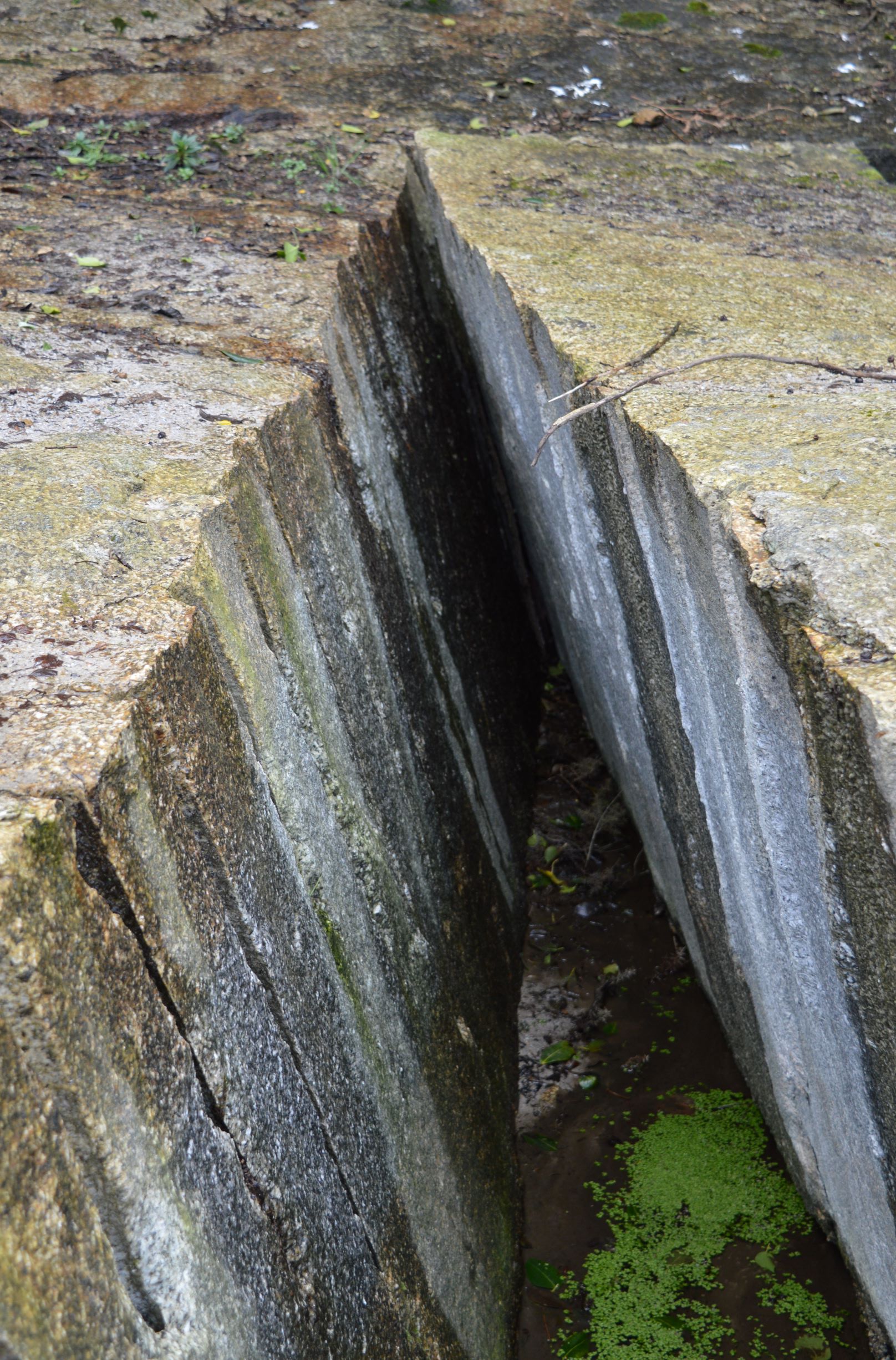
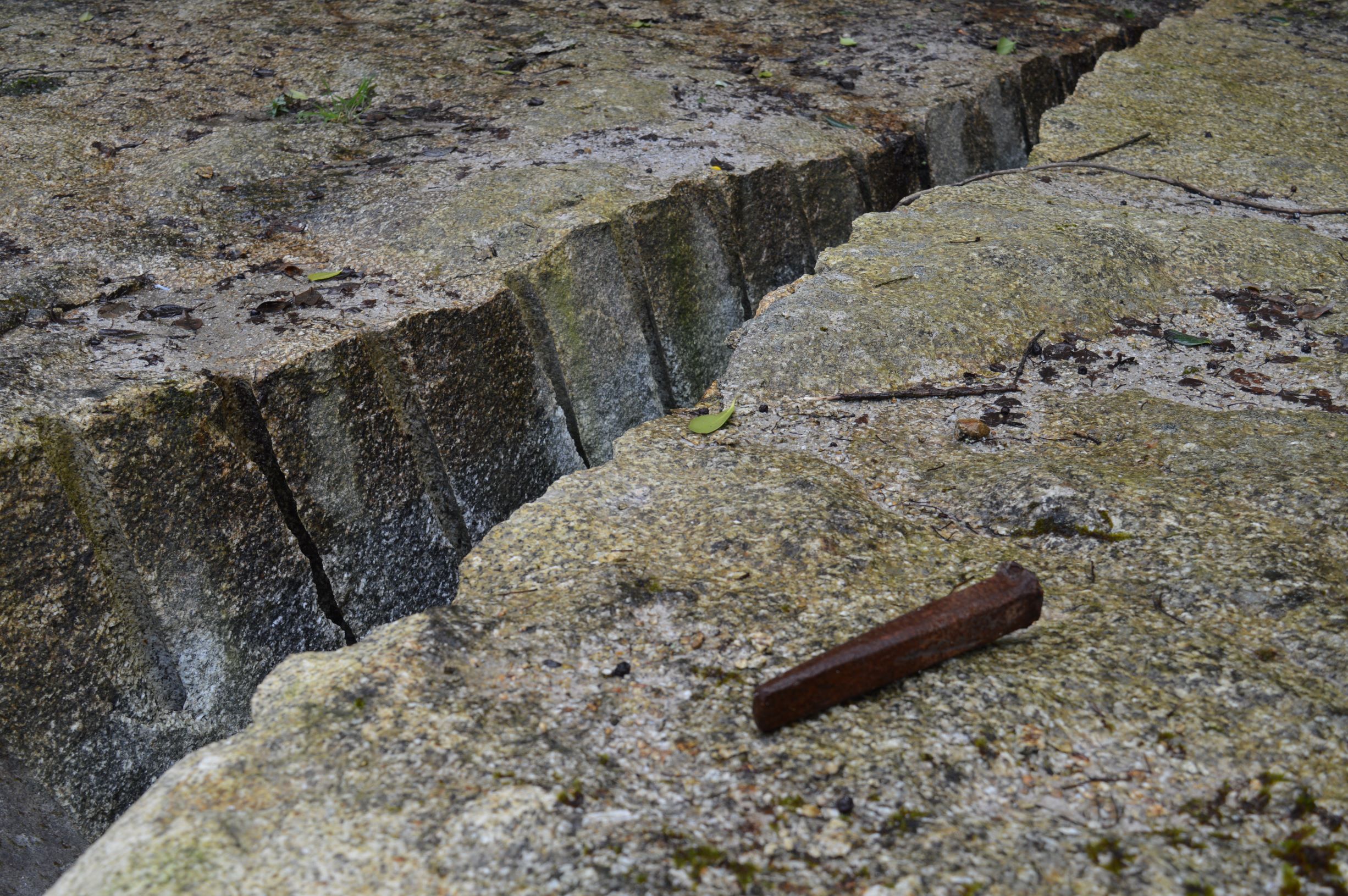
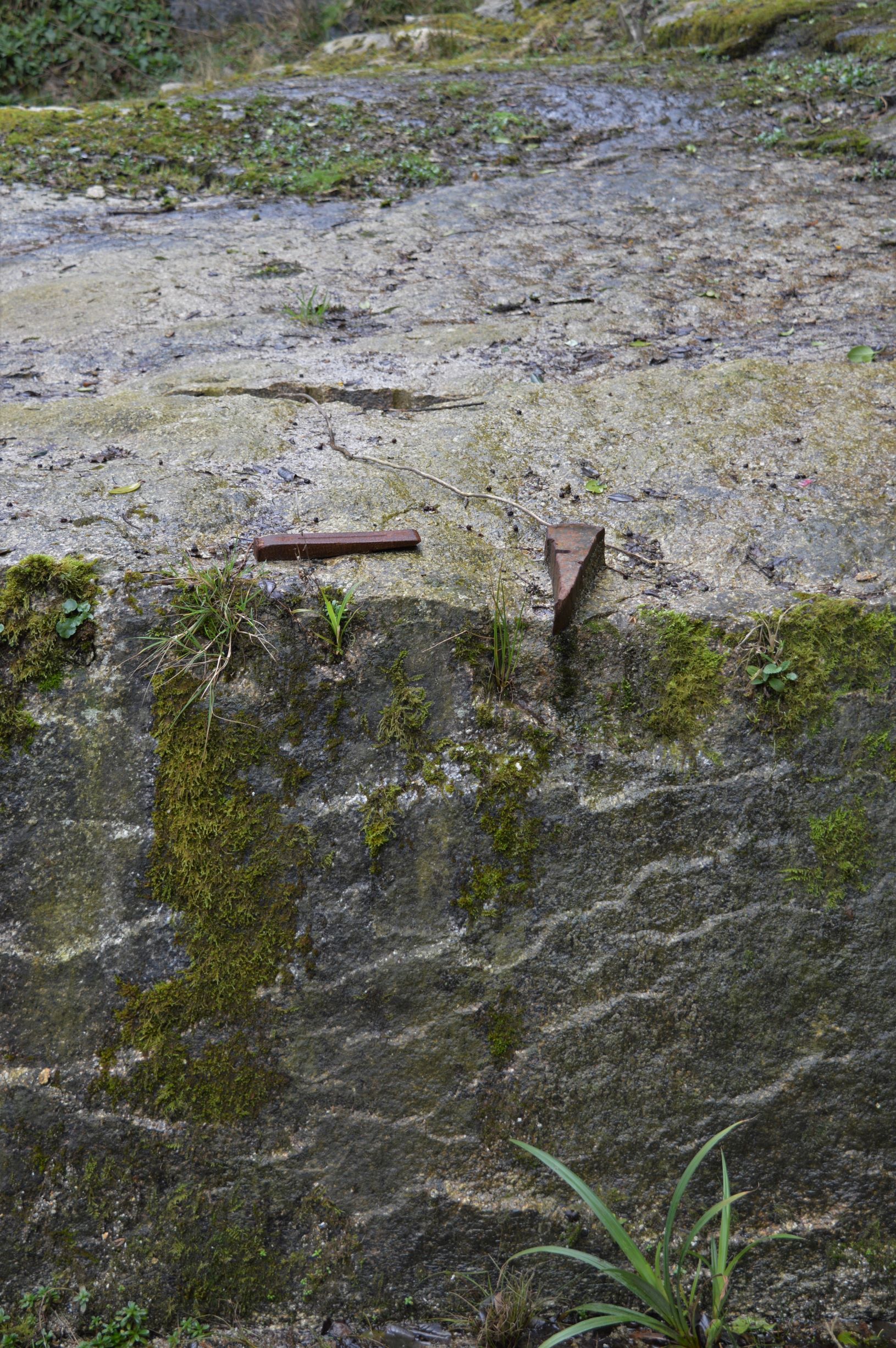
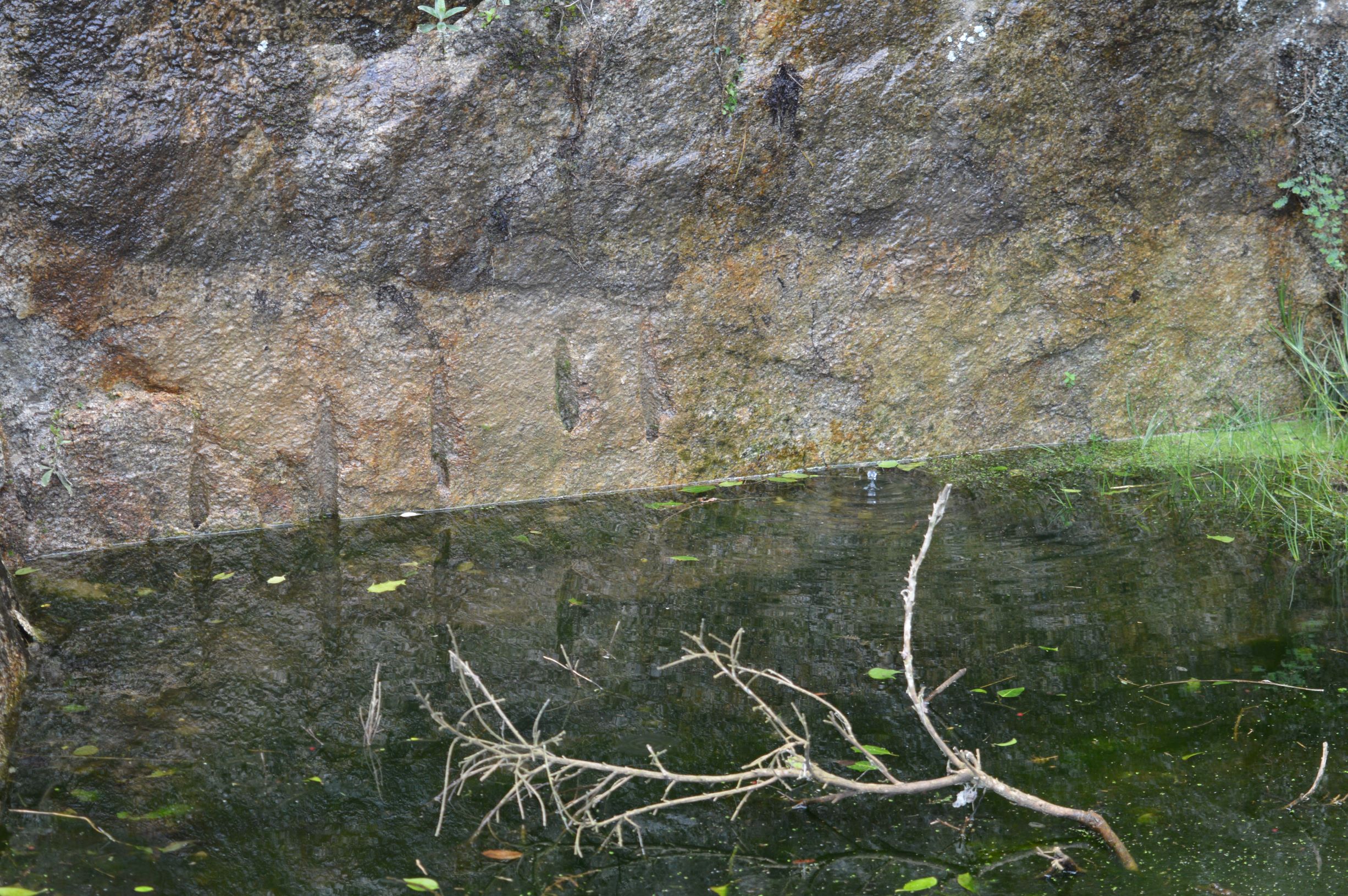
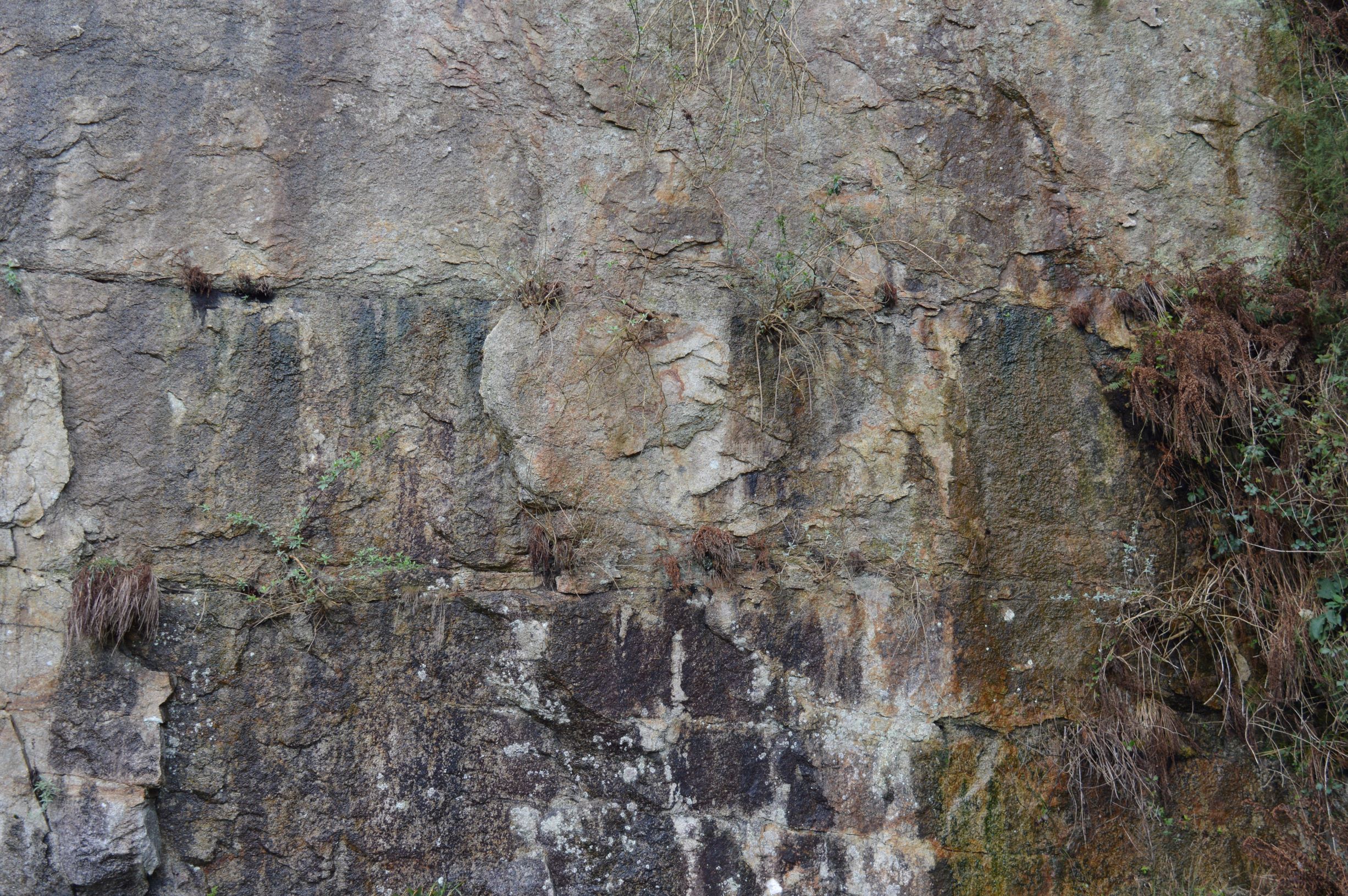
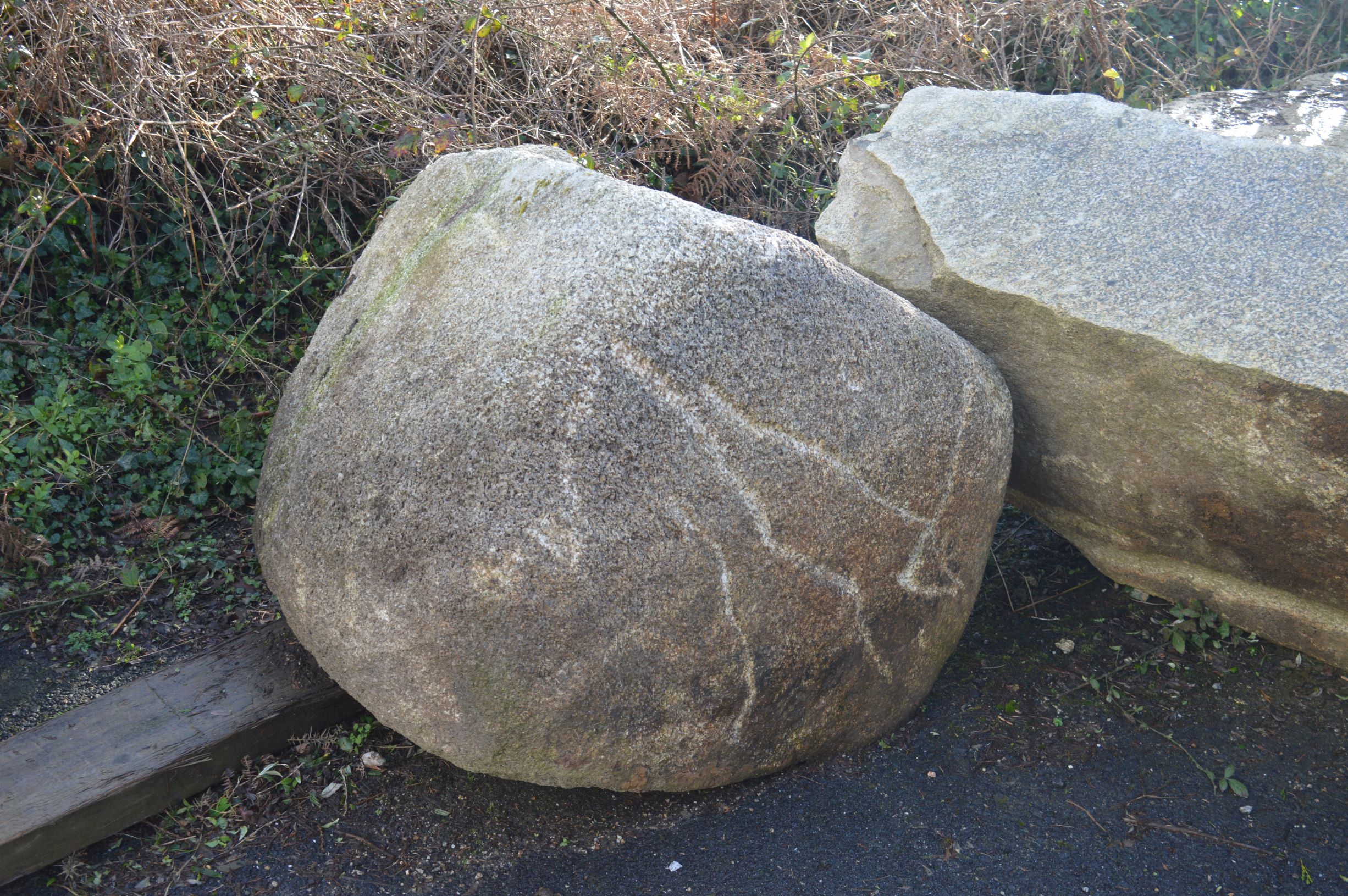
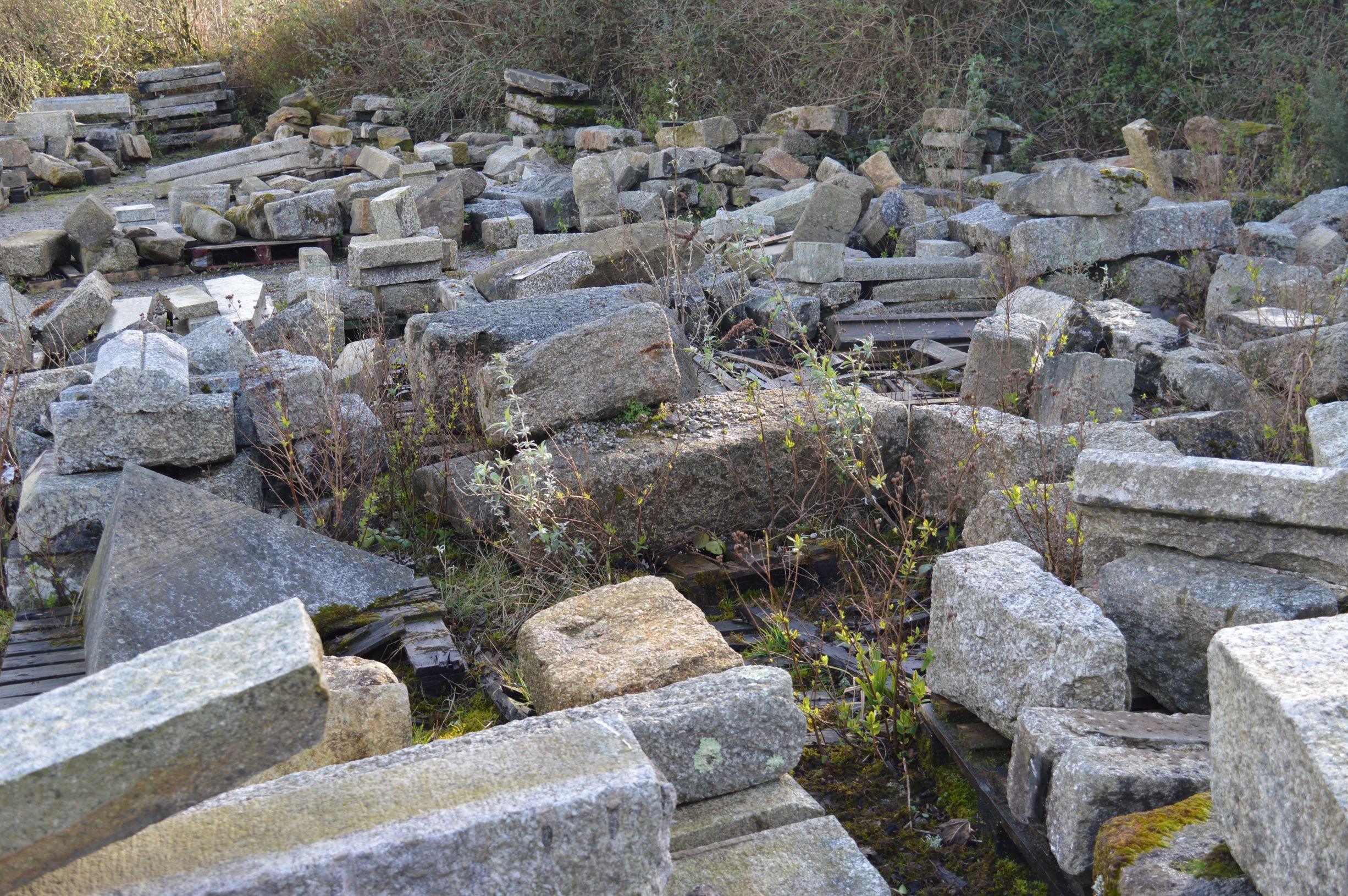
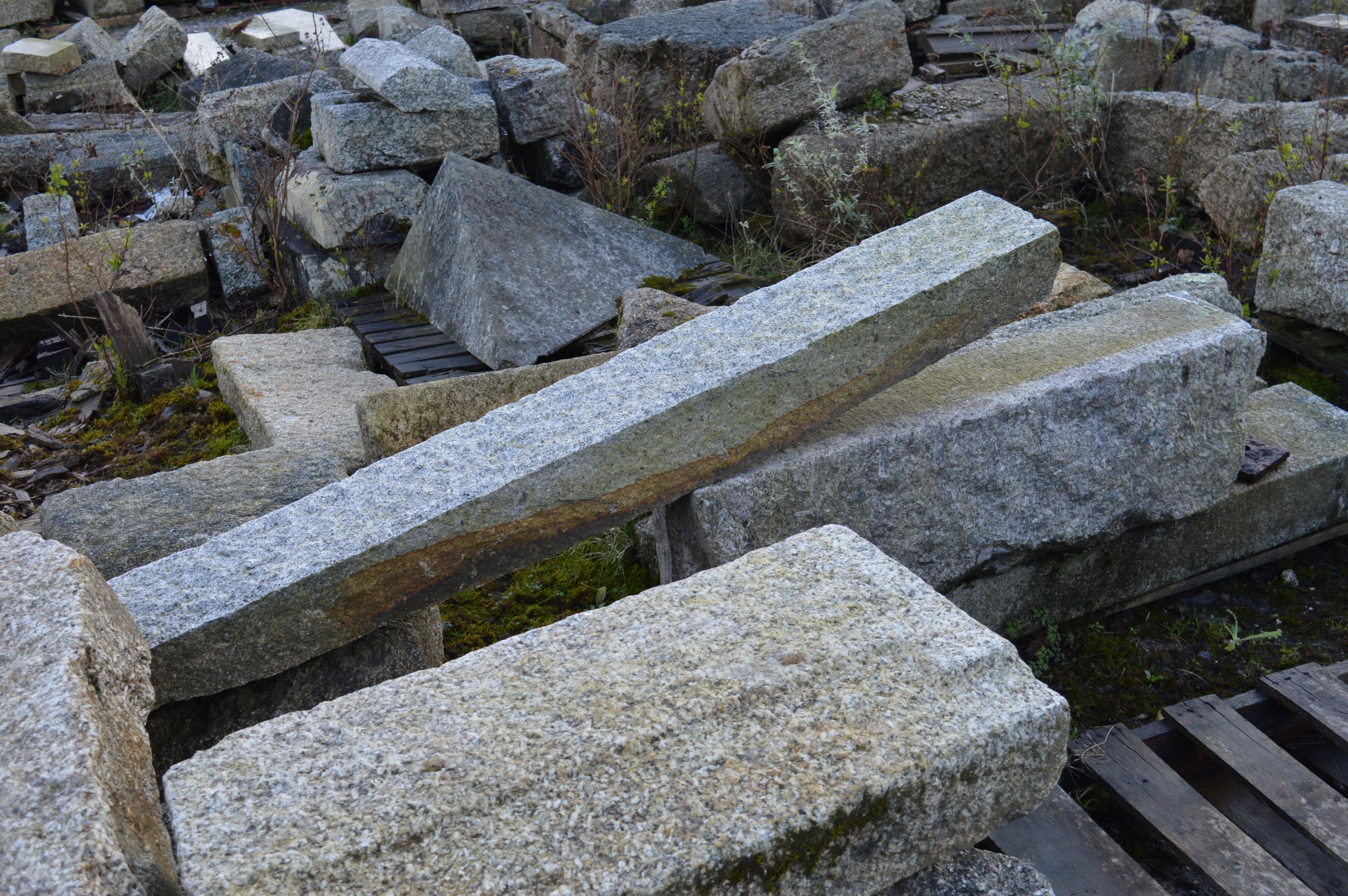
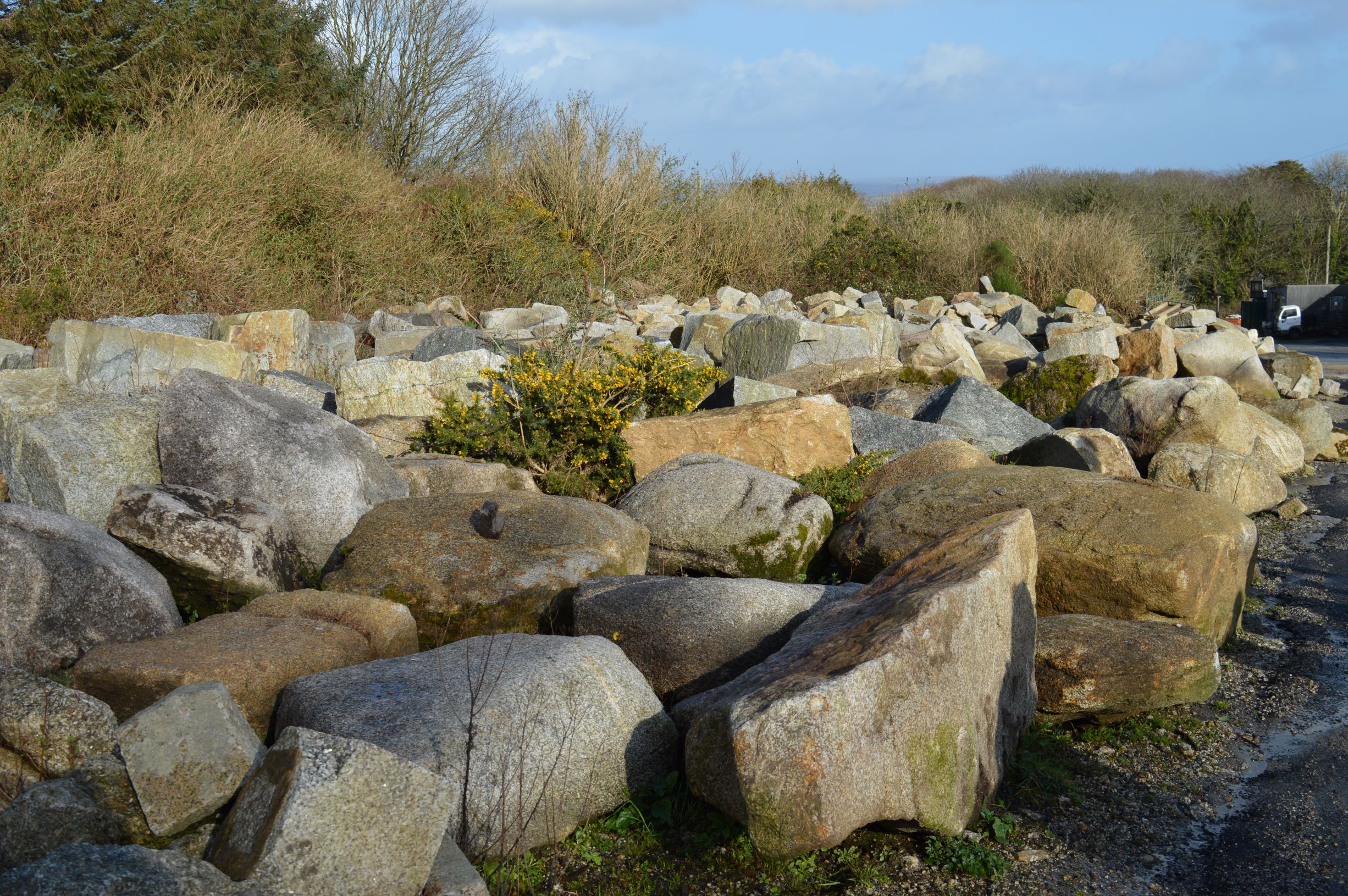
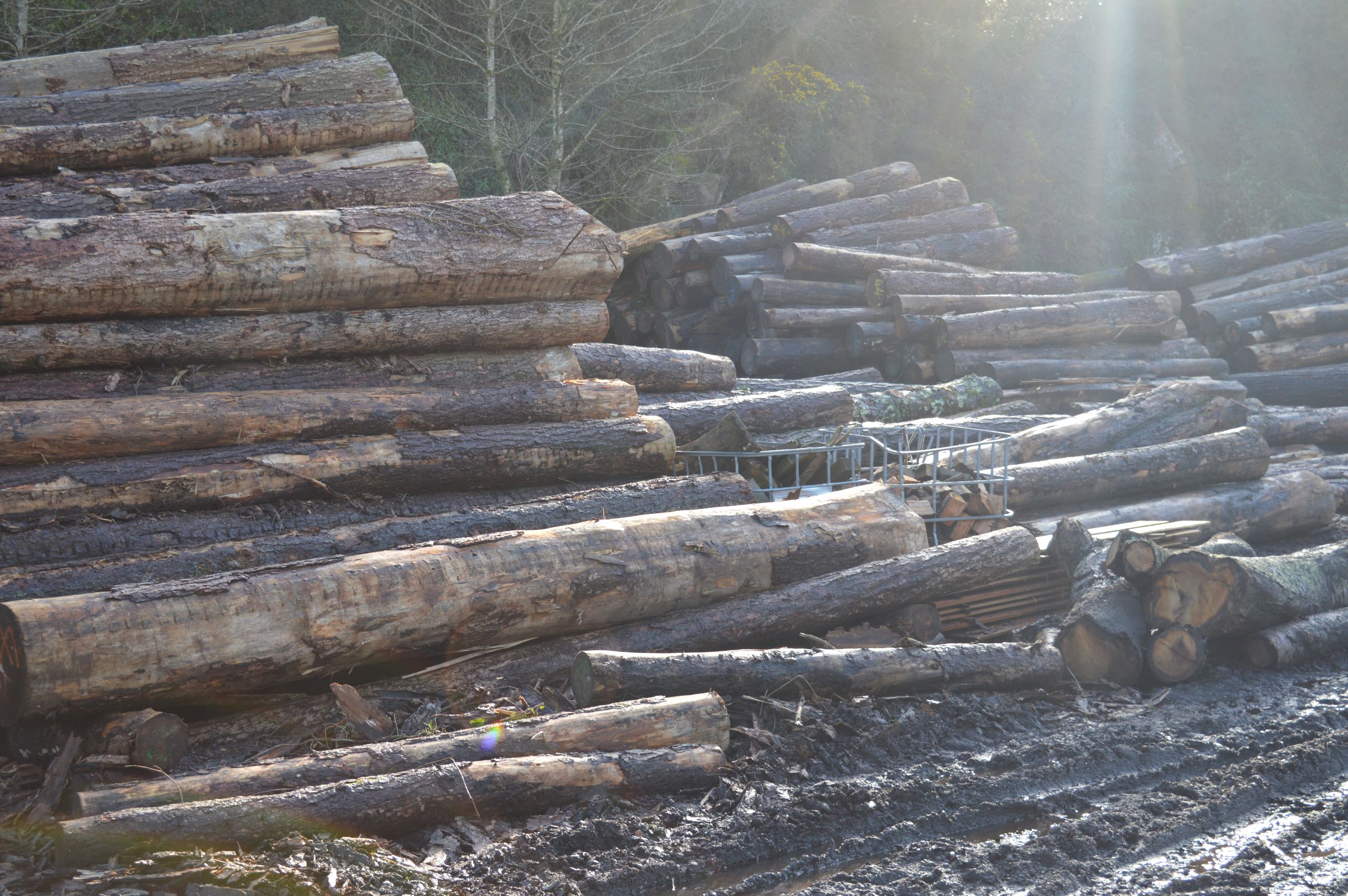
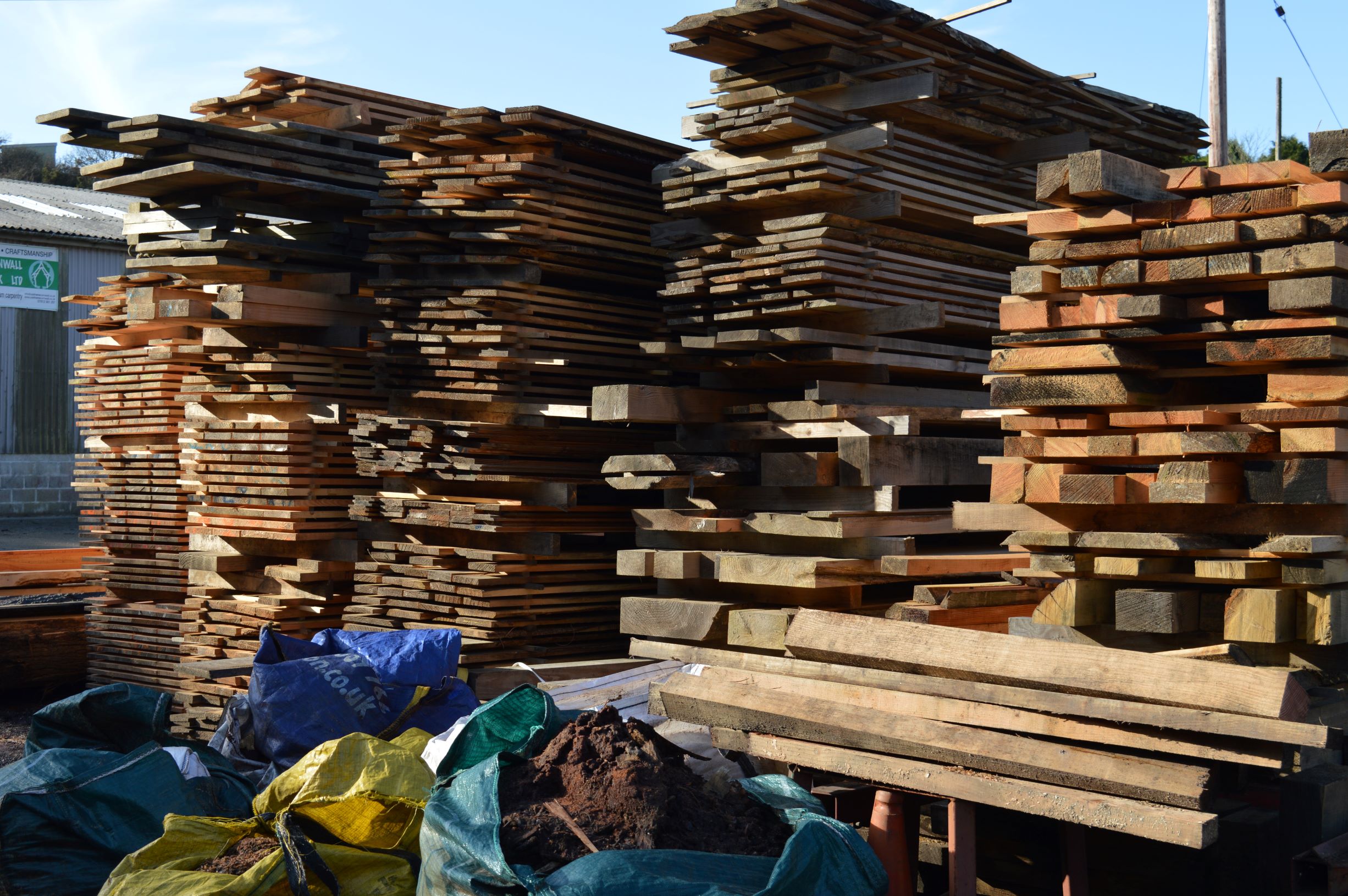
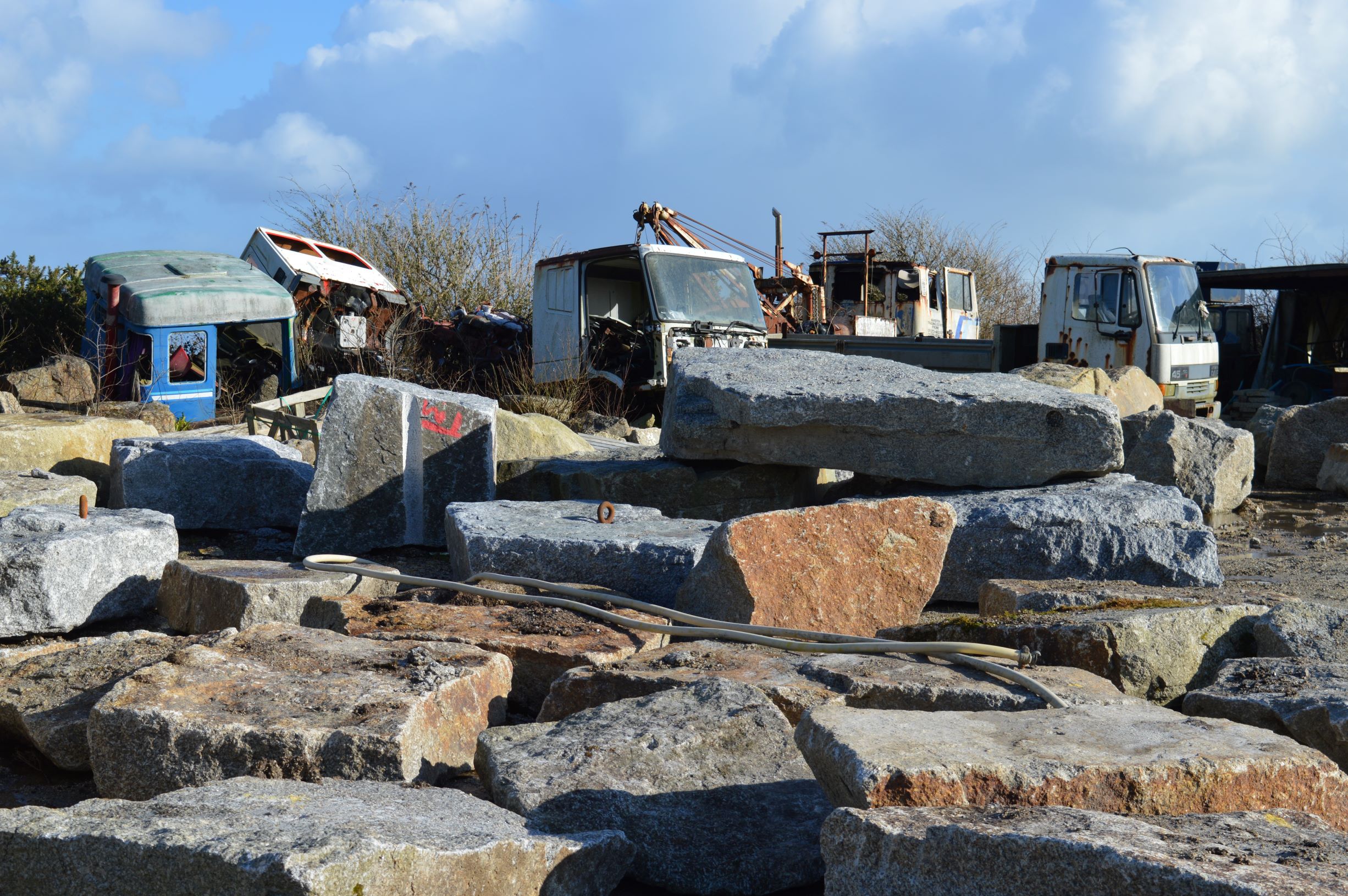
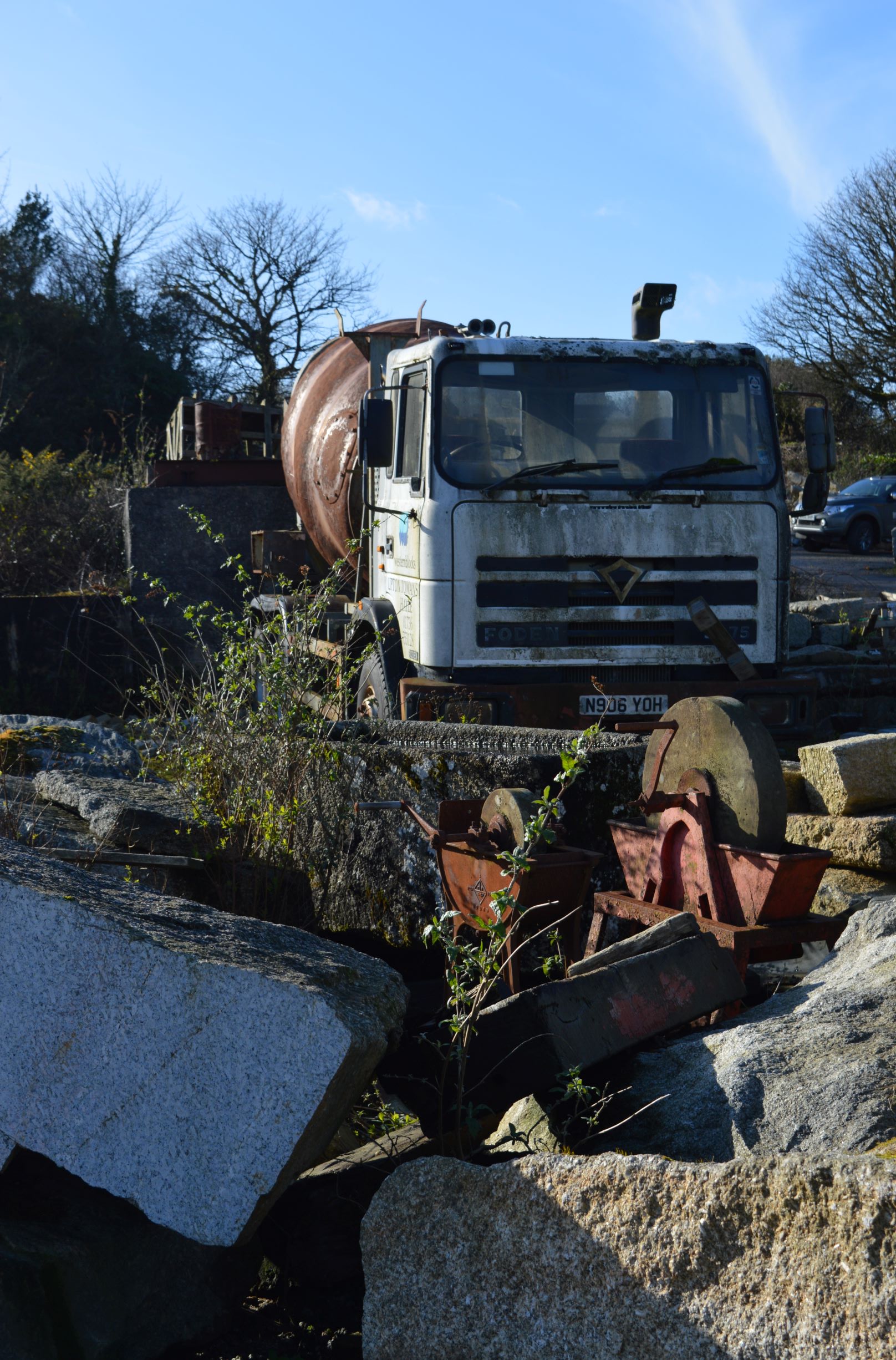
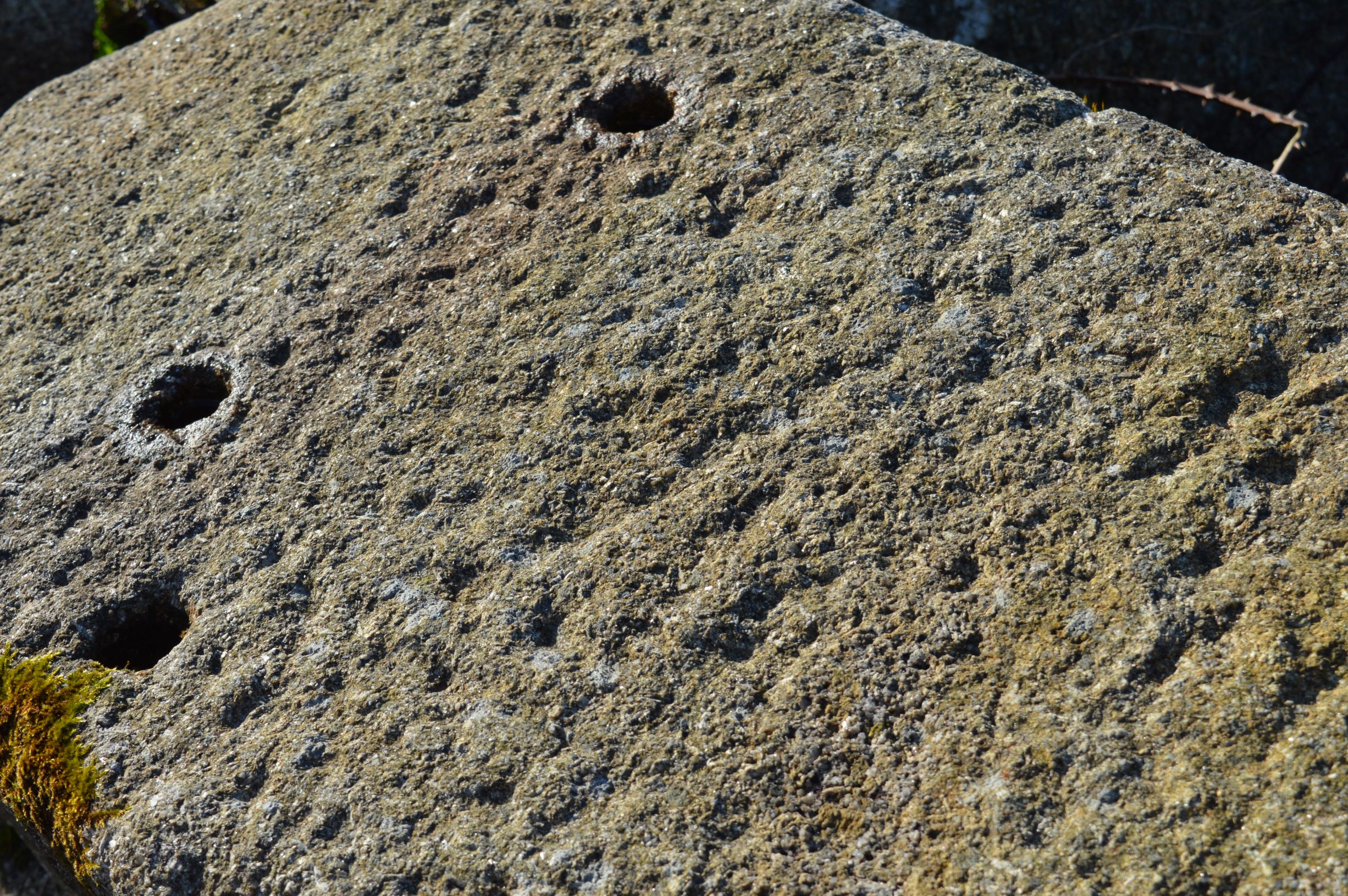
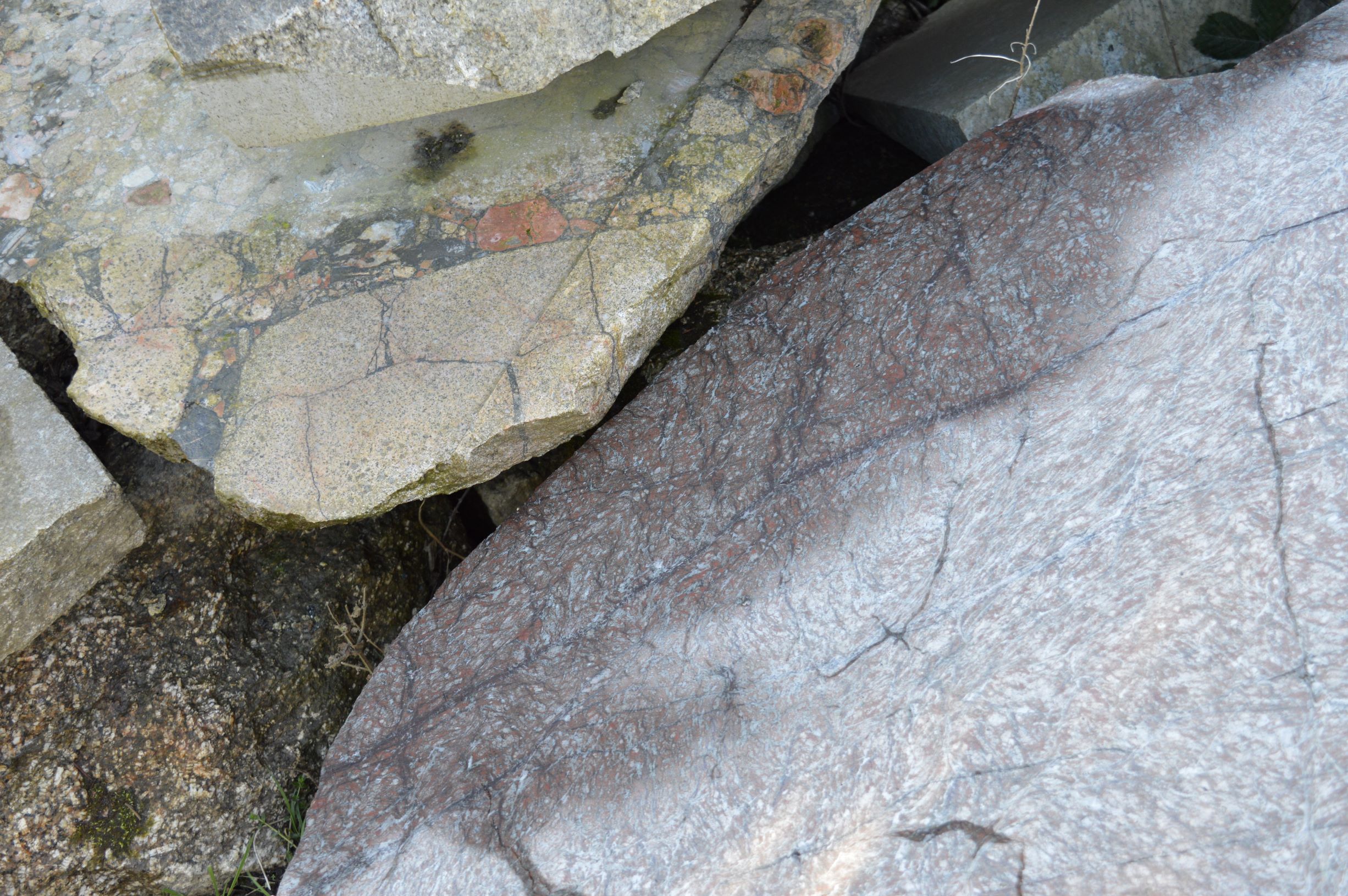
For next week’s session, following on from the trip, we are encouraged to ‘Present either individual responses from the quarry field trip or a walk/place you have worked with as an artist. You can show film, drawings, writing etc… followed by group discussion.‘
As the photos are the only physical evidence I have taken from this trip, perhaps I could consider making another book with the images? I’m not sure how well this would work as the books I made previously are cropped and abstracted close-up rocks patterns, whereas many of these images are more documentative. There is the possibility of incorporating some element of intervention in, like with the tracing paper sketches I did in one of the books; perhaps I could in some way bring in some of the local politics? Maybe through having pages of text, or maybe through subtler means such as aerial land plots?
There was also an interesting sense of time imbued in the place, something which links back to the geological time scales I was already looking at previously in rocks. As well as this geological element, of which I did learn more about, there is also the sense of a deep human history; humans have been building and crafting with stone for millions of years, and there was a sense that this was a slightly timeless area, only different on the surface due to some more modern tools. I’d love to explore this but at this particular moment I’m not entirely sure the best way to go about doing this. Again, perhaps a series of comparative photographs could be interesting, presented in book format, an assemblage of photos of, for example, ancient stone circles alongside freshly hewn granite, or tools.
I could also interpret it from a material perspective in terms of exploring the story behind a material, which would widen my search area out from just stone; I could use materials that I’m already using and look into their background, maybe creating something out of them that relates to this. The exhibition Sculptili. Materiales. Conceptu that I went to recently at the Fish Factory links well to this exploration of material, as well as Otobong Nkanga’s work from her Tate exhibition last year that with the idea of mining/quarrying/scars on the landscape. Scarring was quite a prominent feature of the visit, from the large scale impacts on the landscape (could be explored through aerial photography? – interesting how they dig as far as the edge of their land, yet there is no lawful limit on far down can be dug), the smaller scuffs from explosives and other quarrying equipment, right down to the reflection of the physical labour on the workers’ hands. Pieces that have signs of their creation still readable on their surface would be a good way to explore this, like how many granite sculptures have visible chisel marks in their surface.
Aesthetically, there is also a difference between the layered, swirling rocks that I’ve been looking at thus far and the more uniform surface of the granite. It is almost as though the information is more deeply encoded/embedded in the material, as though it’s not as easy to read. We learnt about the small chunks of mica and feldspar in the rock, so potentially I could try and learn more about what can be read into the rock, or I could create some abstracted parallels between the surface of the rock and the aerial views of the pits?
In all, there are many possibilities for exploration from this trip, I just need to ensure that this doesn’t all remain conceptual and instead I actually start to play around and create some of these experiments.

 Anna Harris