In August I was approached by CAMP (Plymouth)’s curator-in-residence Kei Langley about taking part in a collaborative project wherein artists bring their work out into the Cornish landscape. The first thing we were asked to do was select a Cornish location that we were inspired by, or felt connected to, in some way, and then take part in a virtual event in which all the artists introduced themselves, their practice, and their chosen location.
I summarised my practice as follows:
- Quite materials-based, particularly using materials found on beaches i.e. initially rocks but then moving on to more liminal materials between human and nonhuman – the blurry line between human and nonhuman
- Sculptural – casting and ceramic and assemblage, also drawing
- Encouraging close looking, personal, hand-held, tactile items
- As well as the Cornish landscape being subtly present in my work through my use of materials I have also done a couple of pieces where the landscape is used more explicitly – on this beach lies a fake rock and the photography of the tangly sculptures, also rock tracking
- Have been considering how best to present things more recently (particularly over the last year) hence taking things out onto the beach, photographing them etc – am excited to take this further through this project
And my chosen location was Porthcothan, again spoken about as follows:
- A beach I always used to visit as a child so has that childhood sense of nostalgia attached to it
- I enjoy being able to visit it now all year round, really embracing the rugged north coast Atlantic feel to it that you miss in summer
- An influential factor in what has brought me now to living in Cornwall and creating work that location plays such a strong part in
- Also watched the wrecking season which was based there and that has since been very influential on my work and my use of materials – the stories behind objects
- Have yet to install any work there though – greenbank (where I’ve worked a fair amount prior to this) is quite close and casual/experimental whereas to take work there feels a lot more intentional/site specific which might be a nice challenge
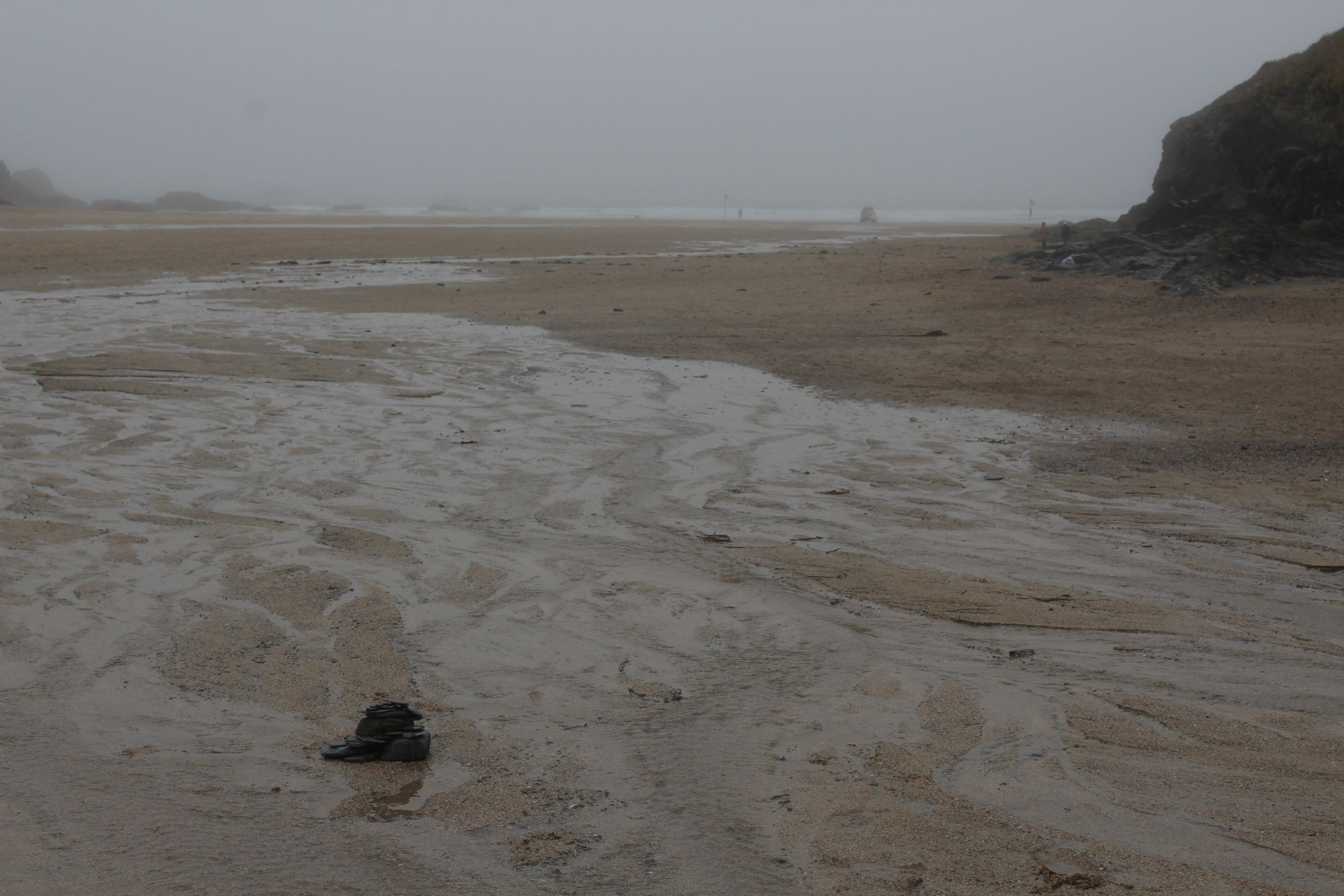
We also had to show one image to summarise our practice, as well as provide an image of our chosen location:


Other artists on the project included Olivia Brelsford-Massey, Liza Dickson, Kei Langley, Amy Lawrence, Katherine Platts, and Ollie Wiggins (of 0kstudios), with documentation by Samuel Bestwick and Alice Cooke.
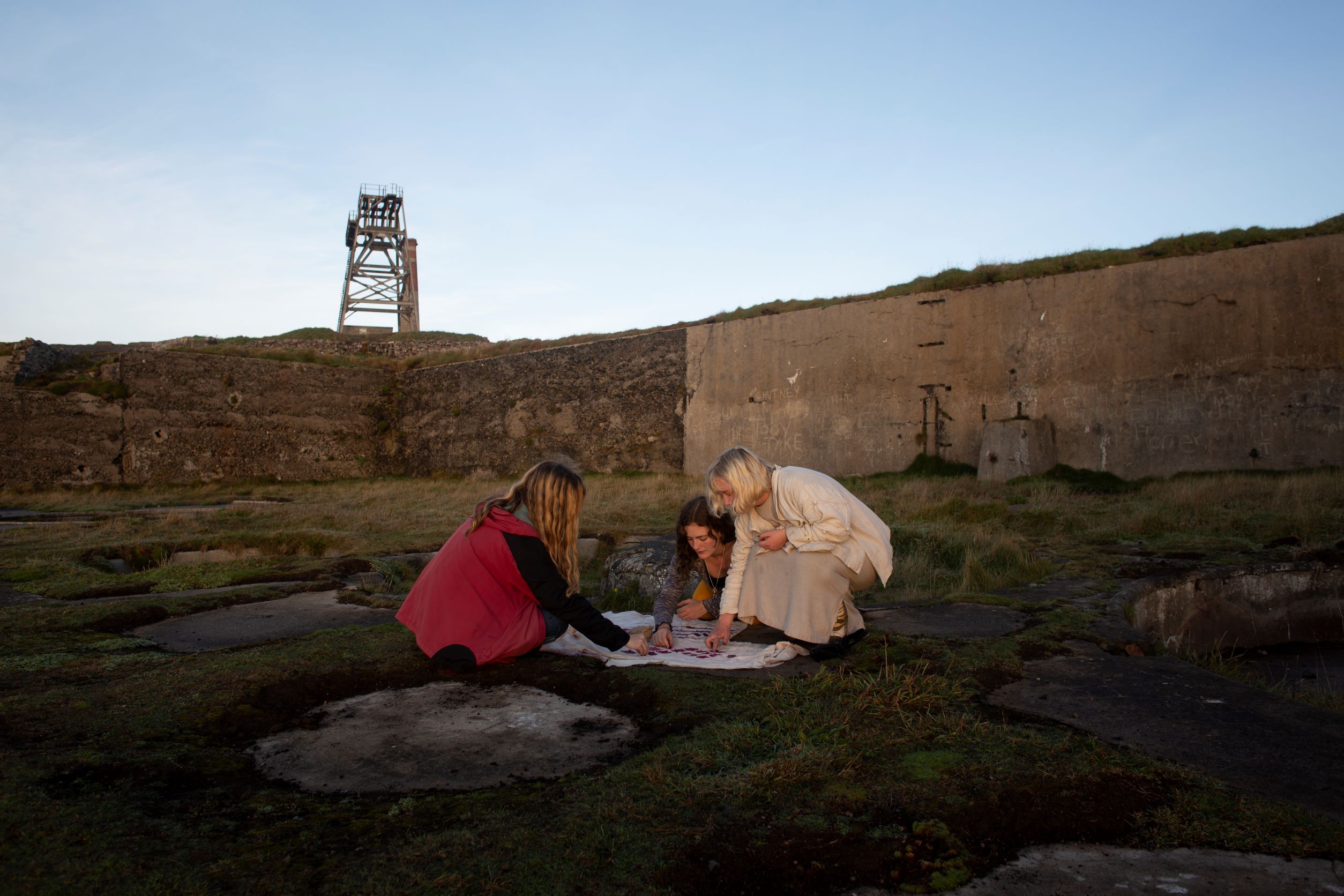
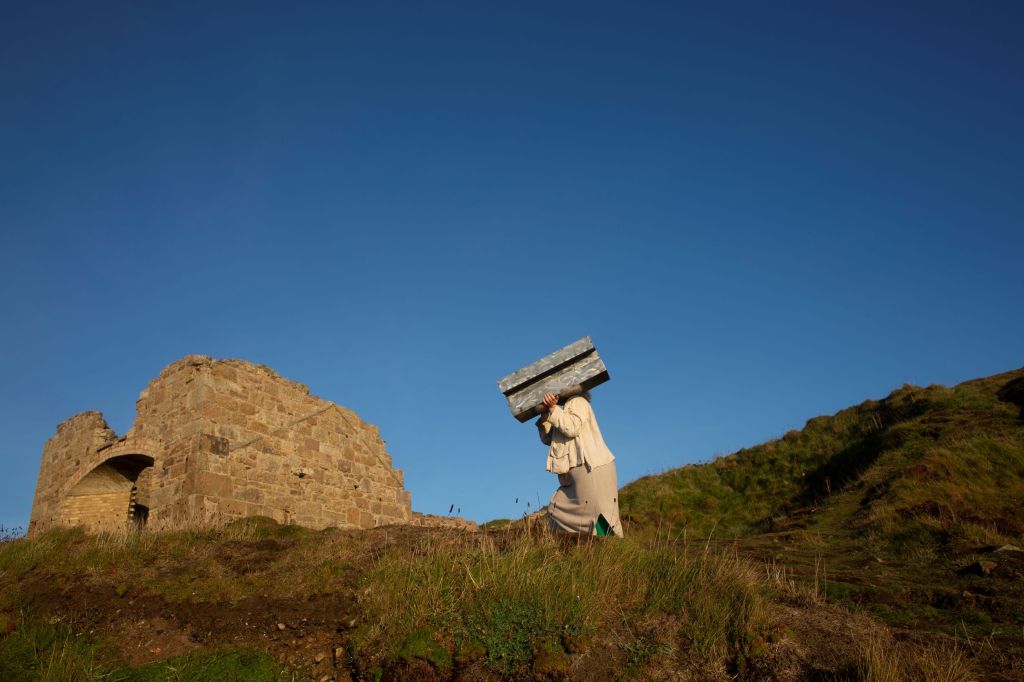
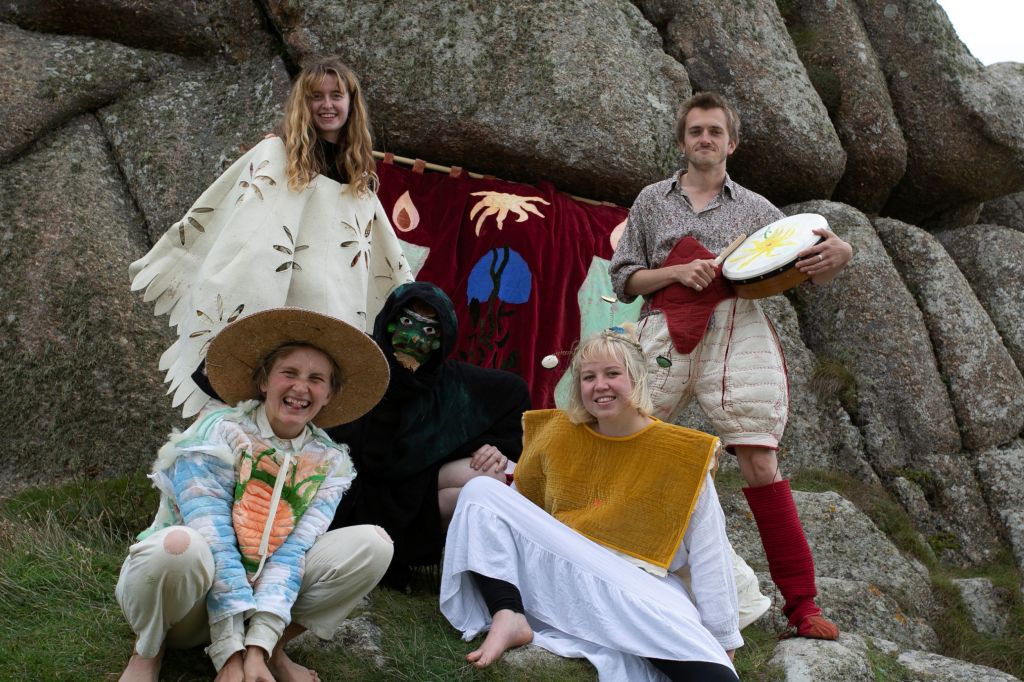
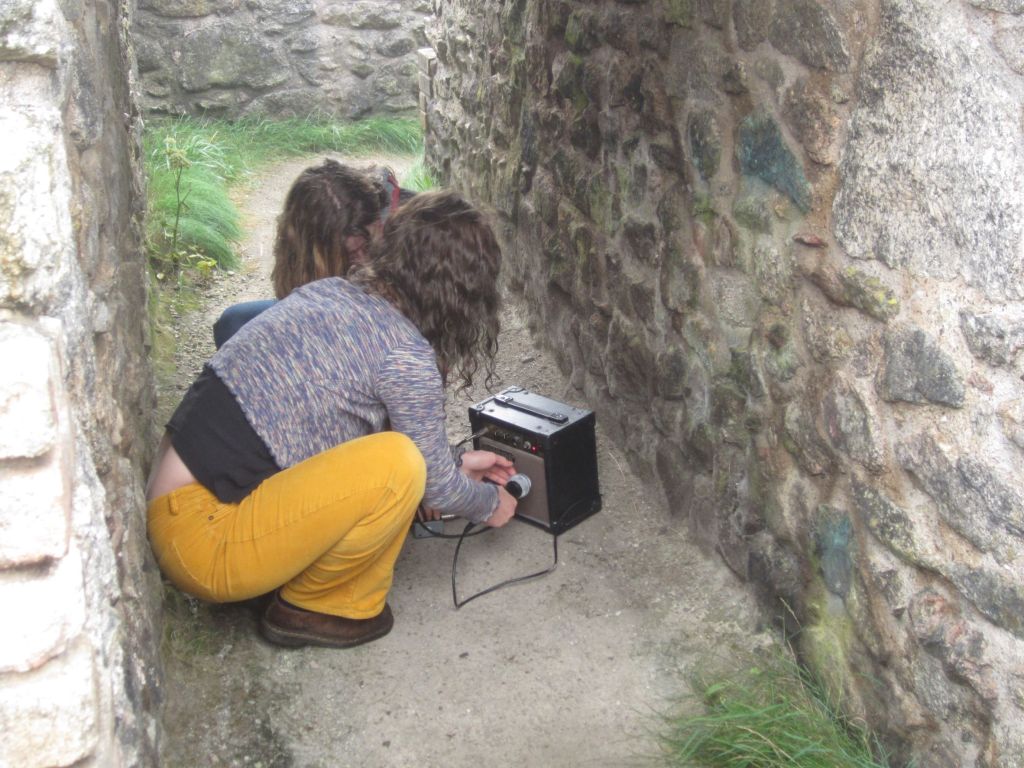
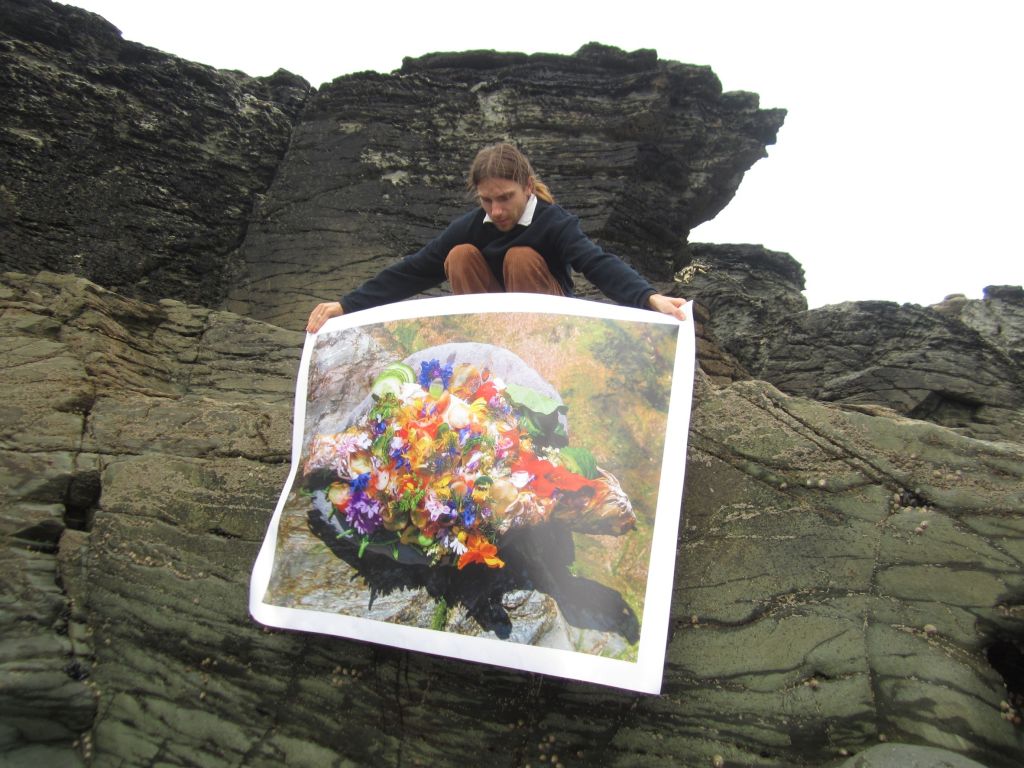
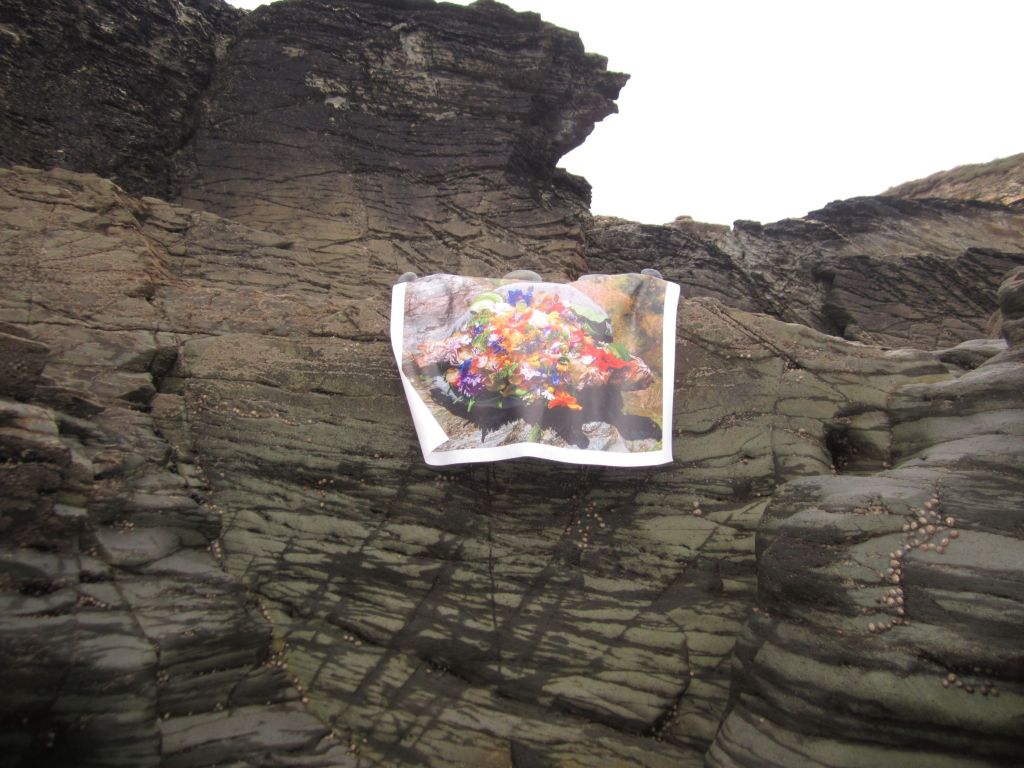
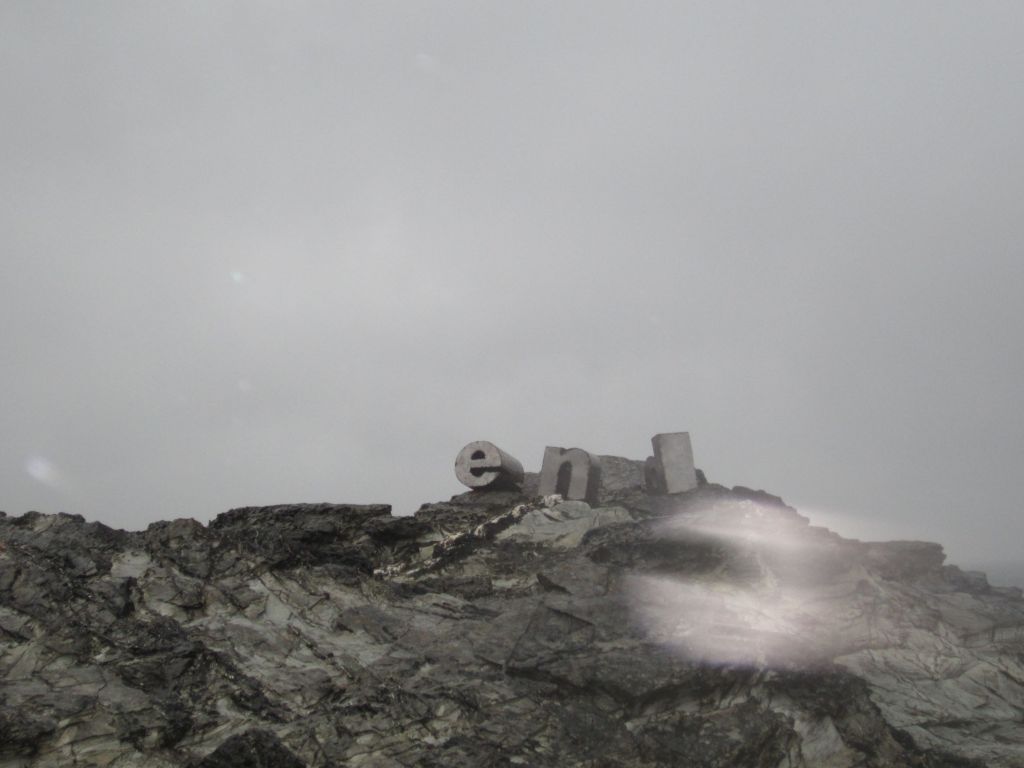
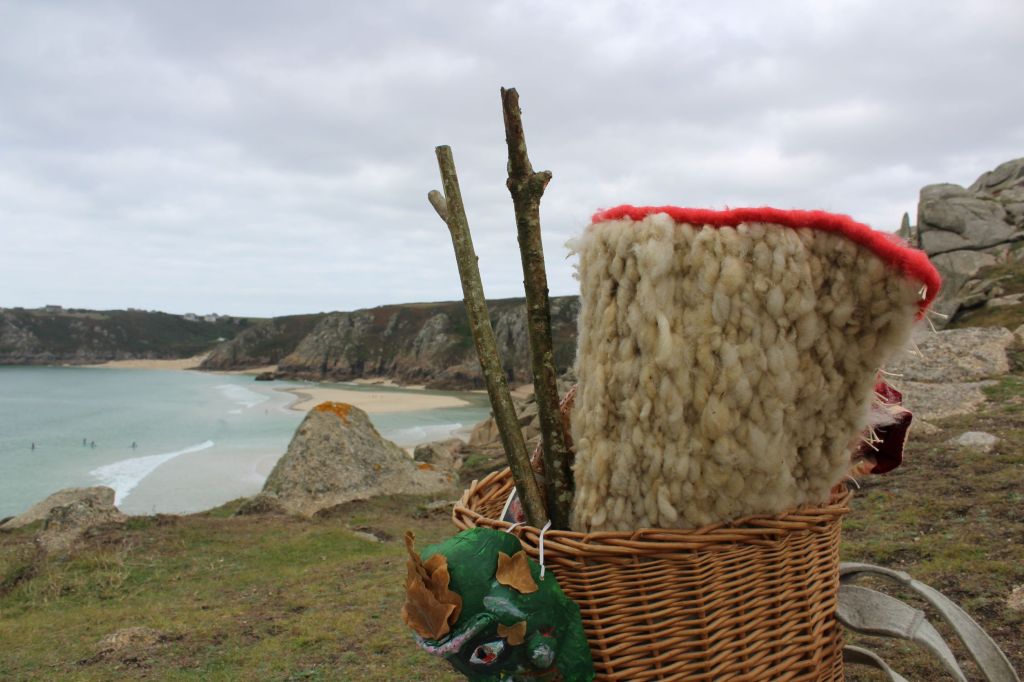
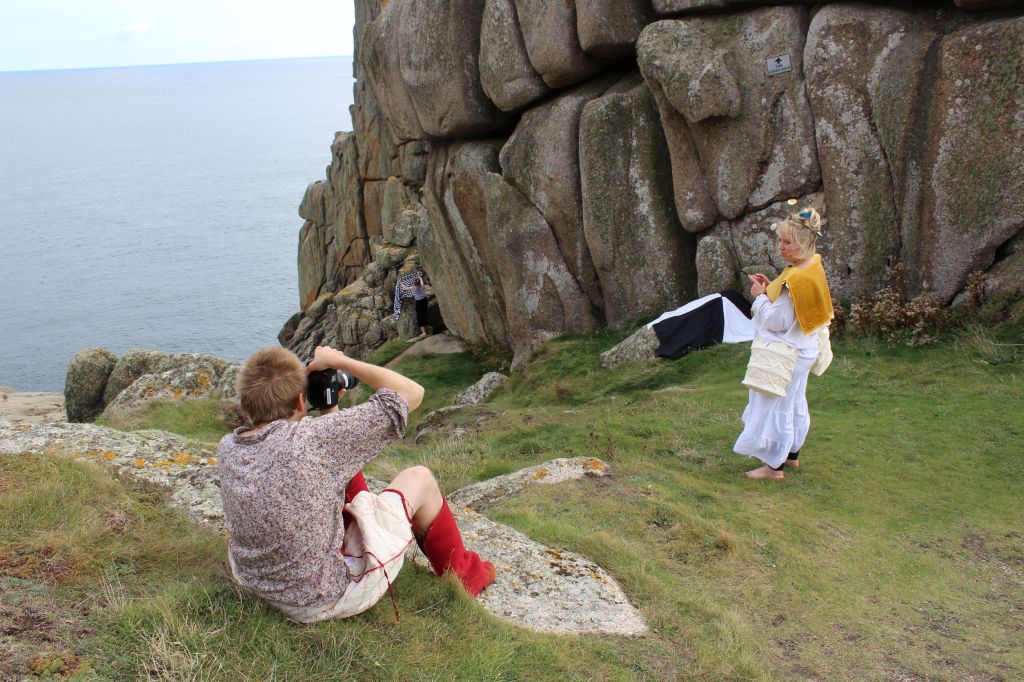
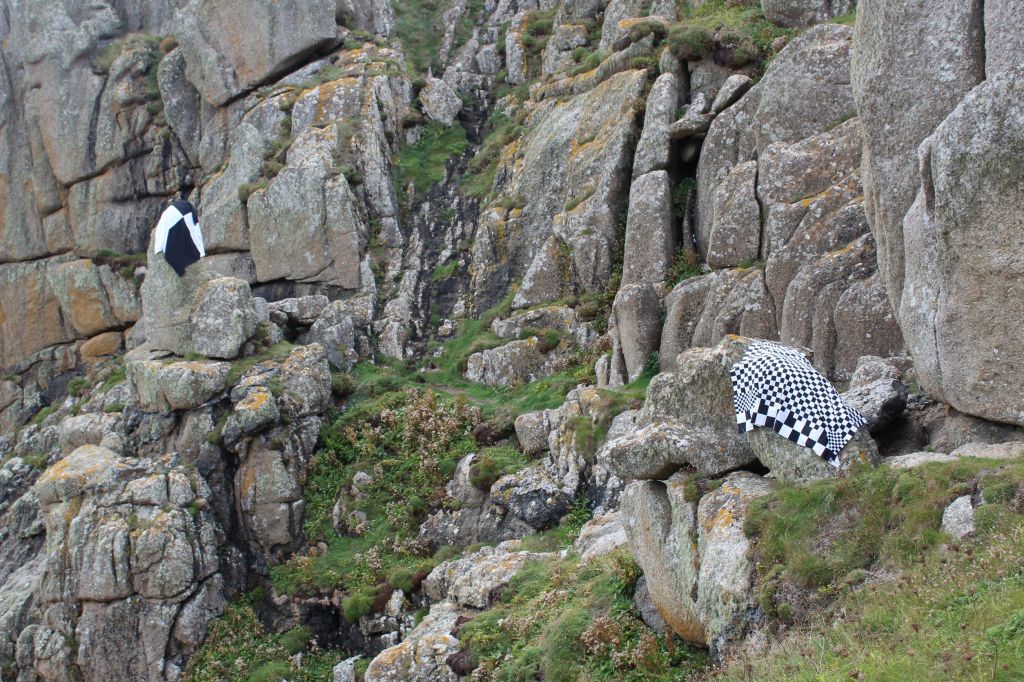
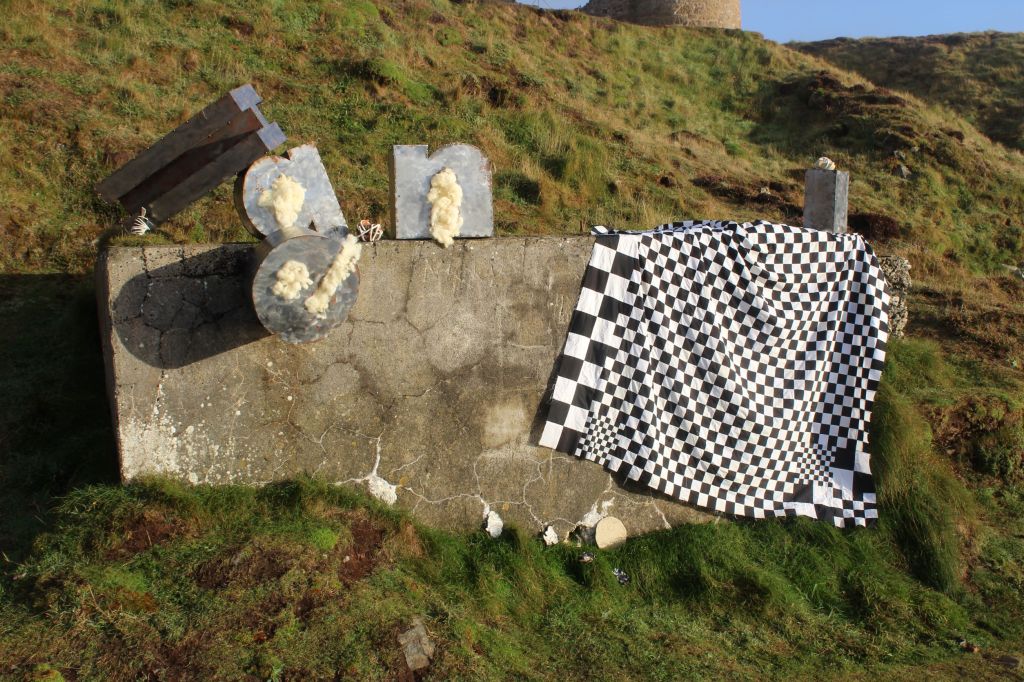
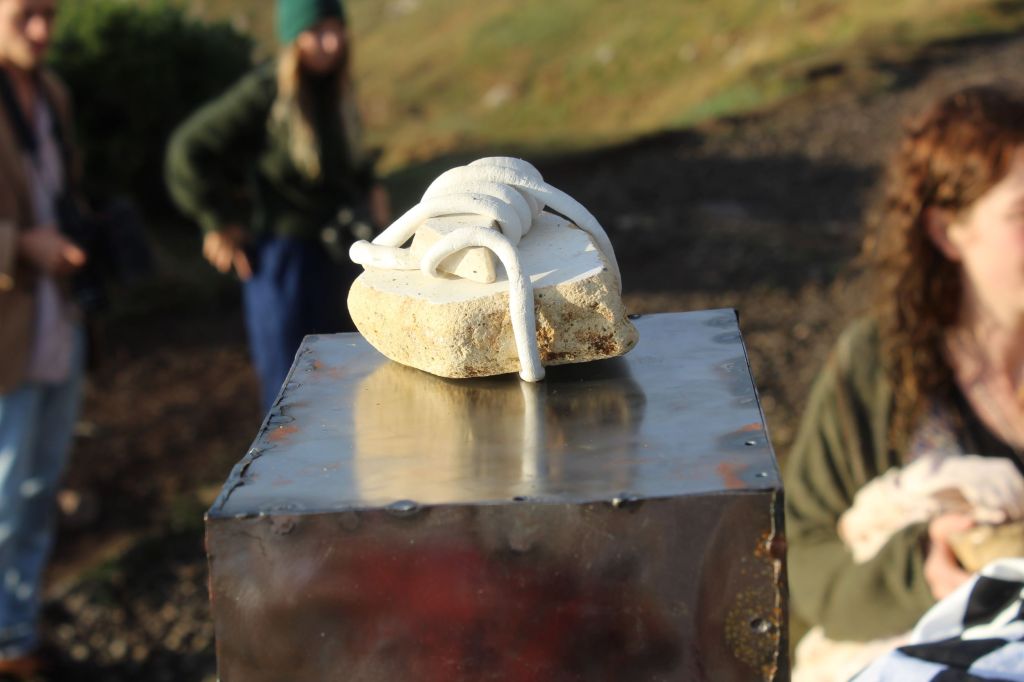
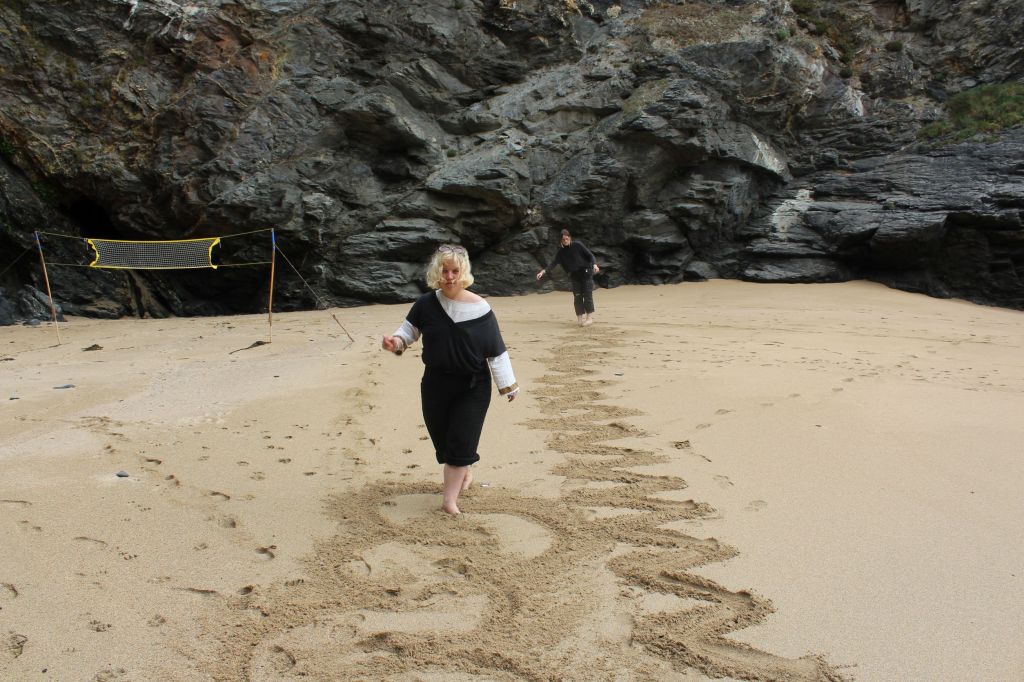
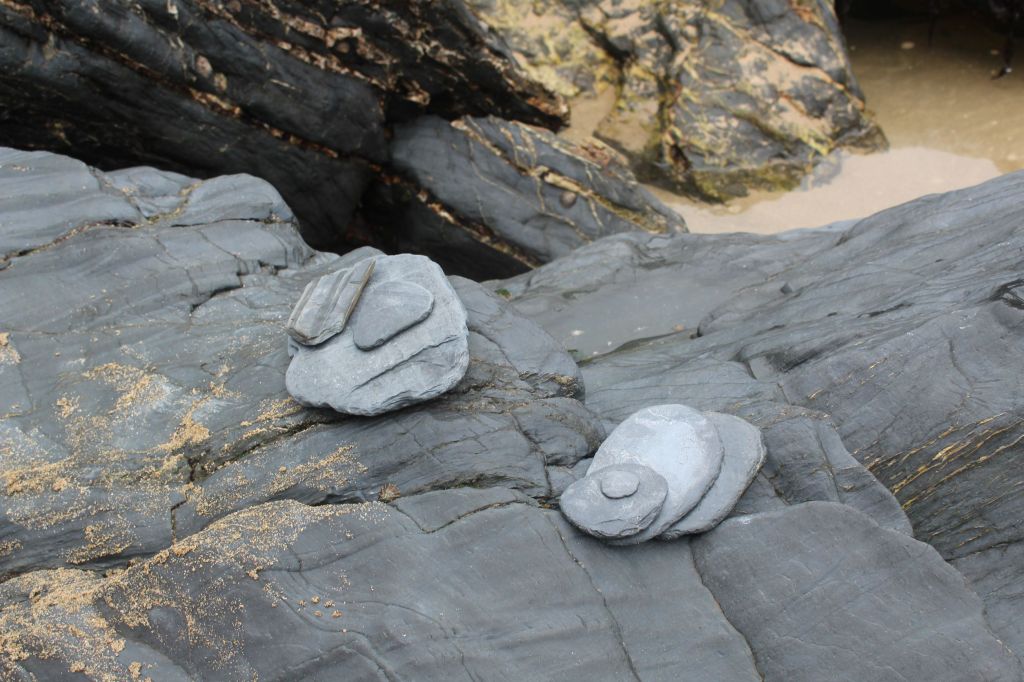
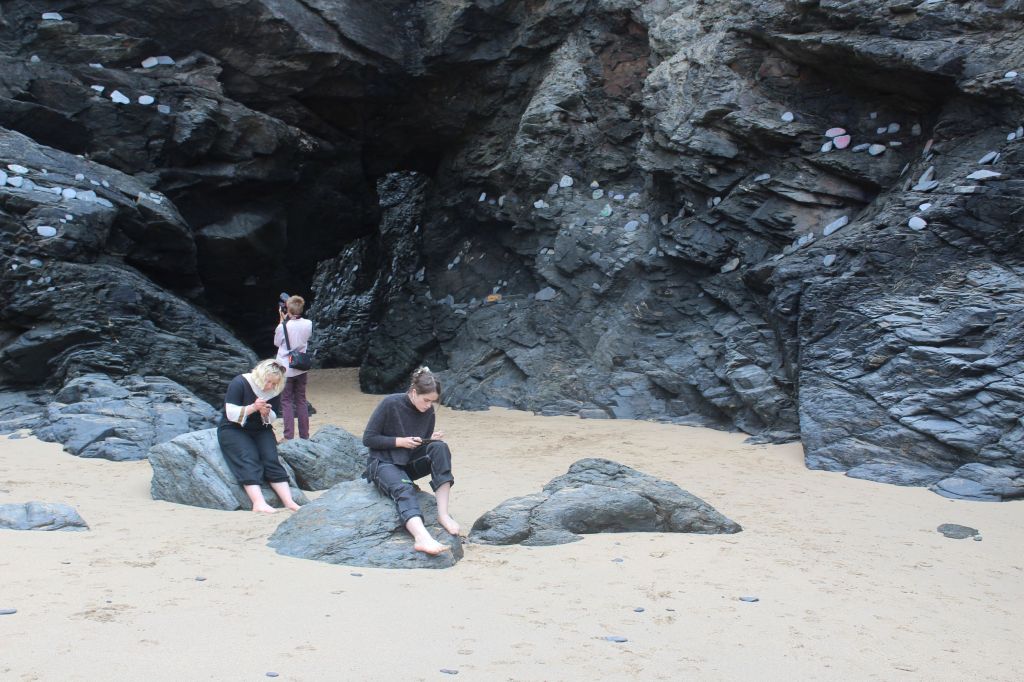
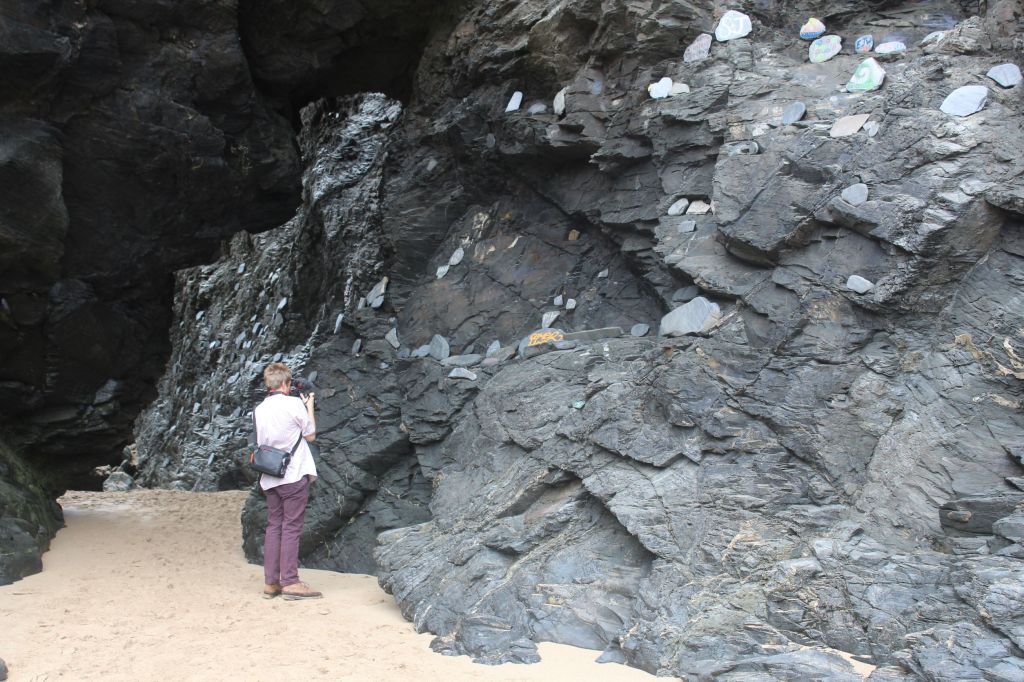
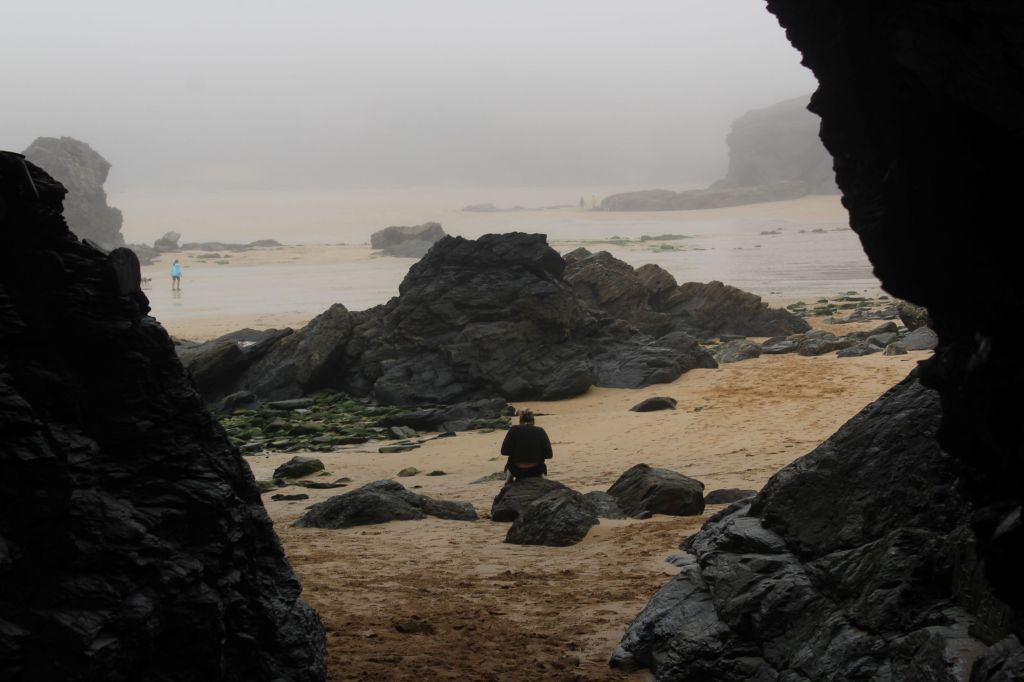
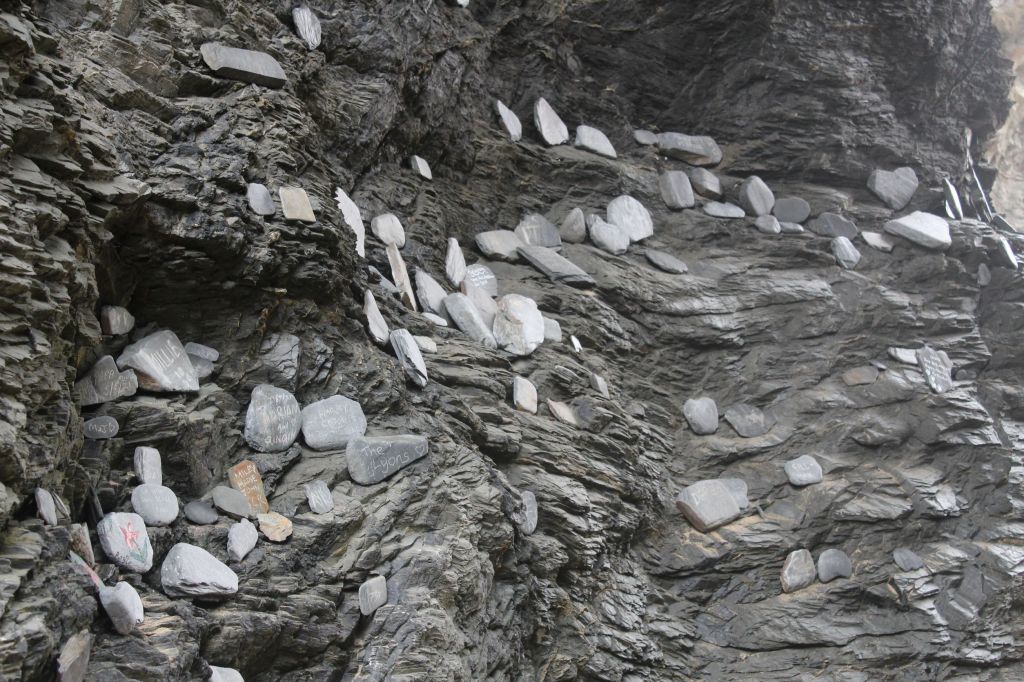
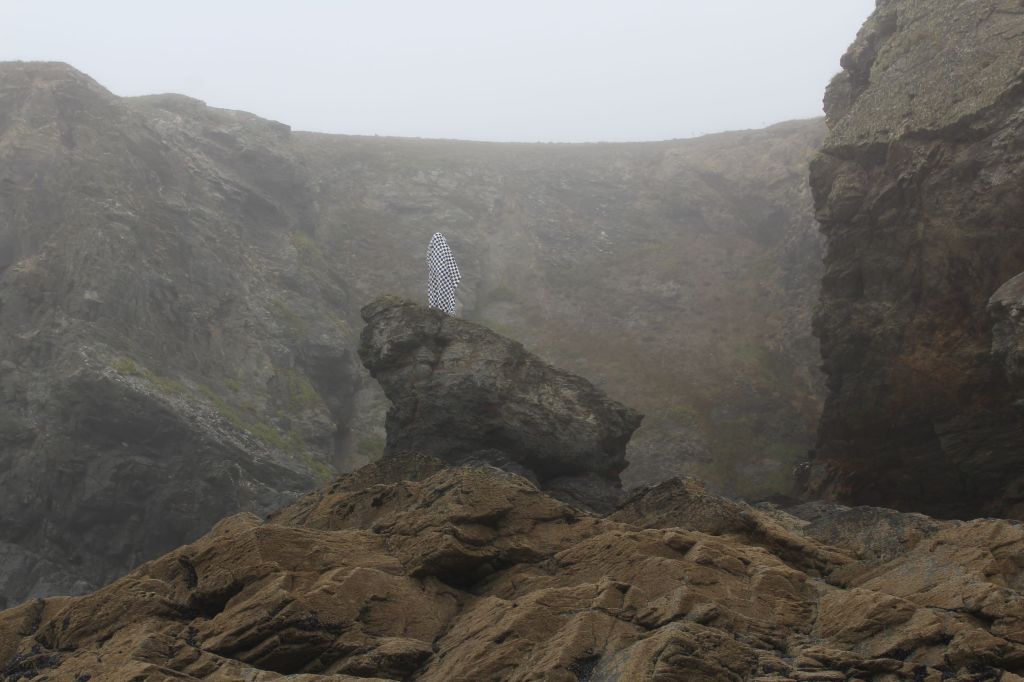
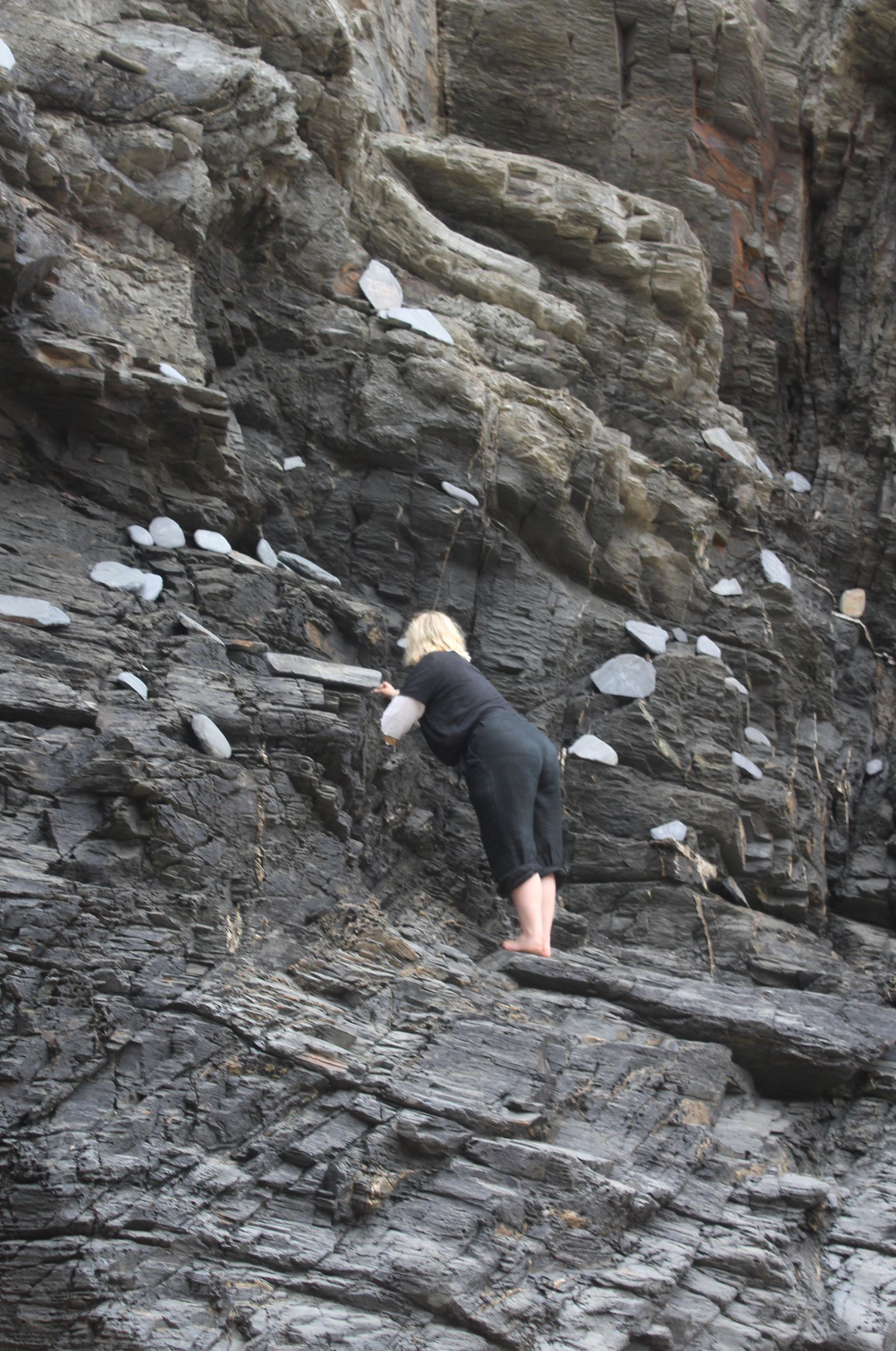
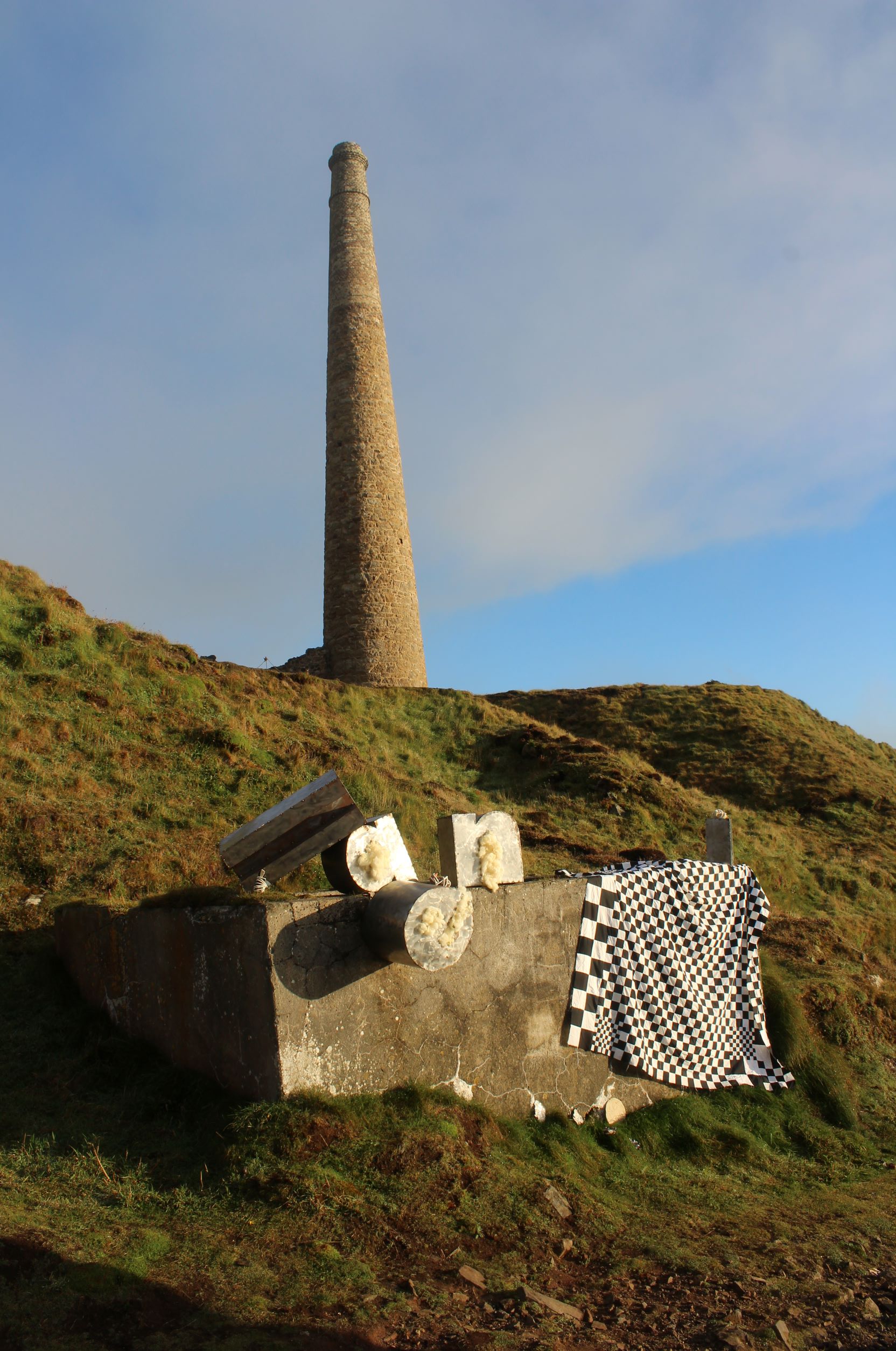
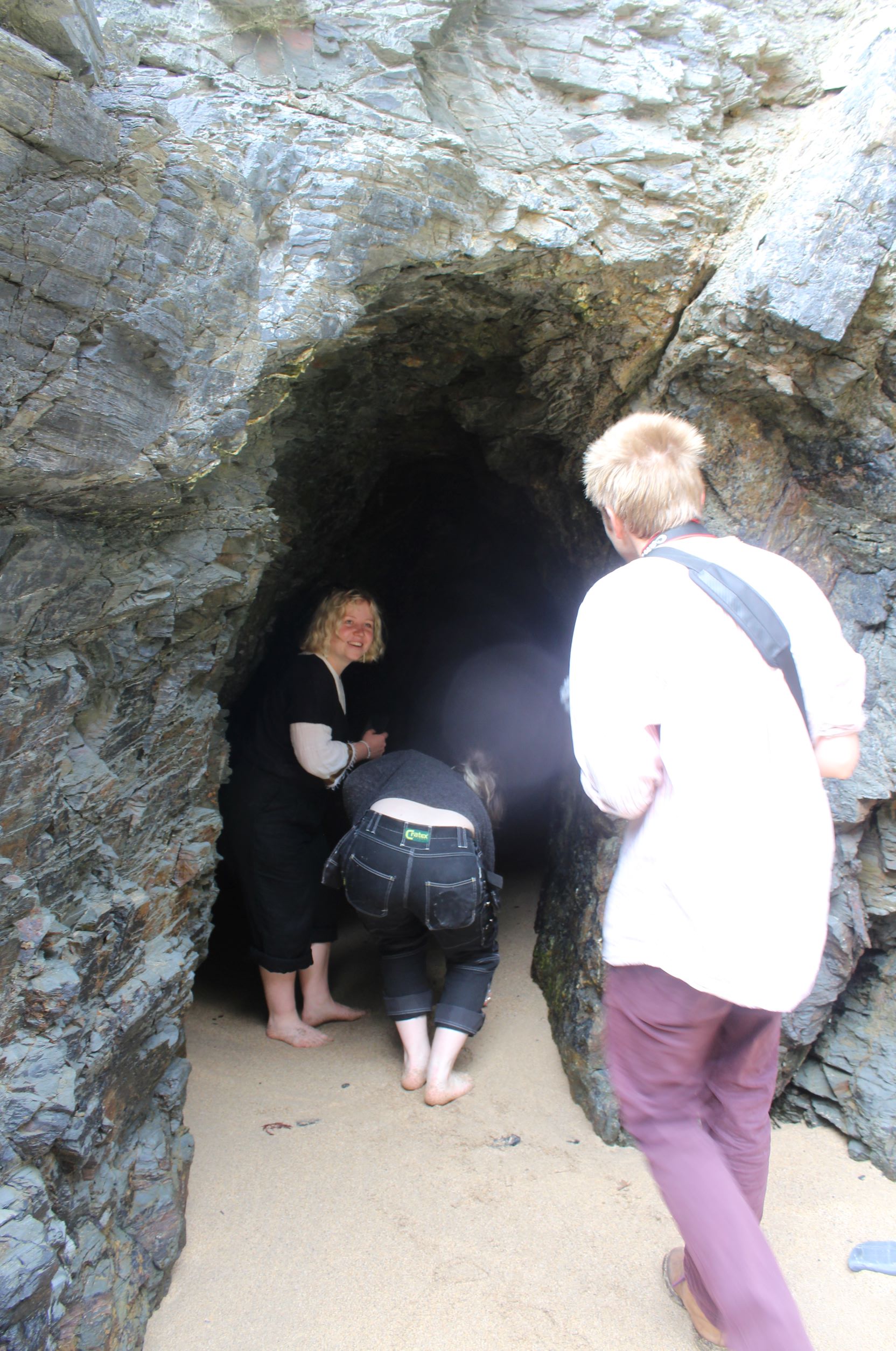
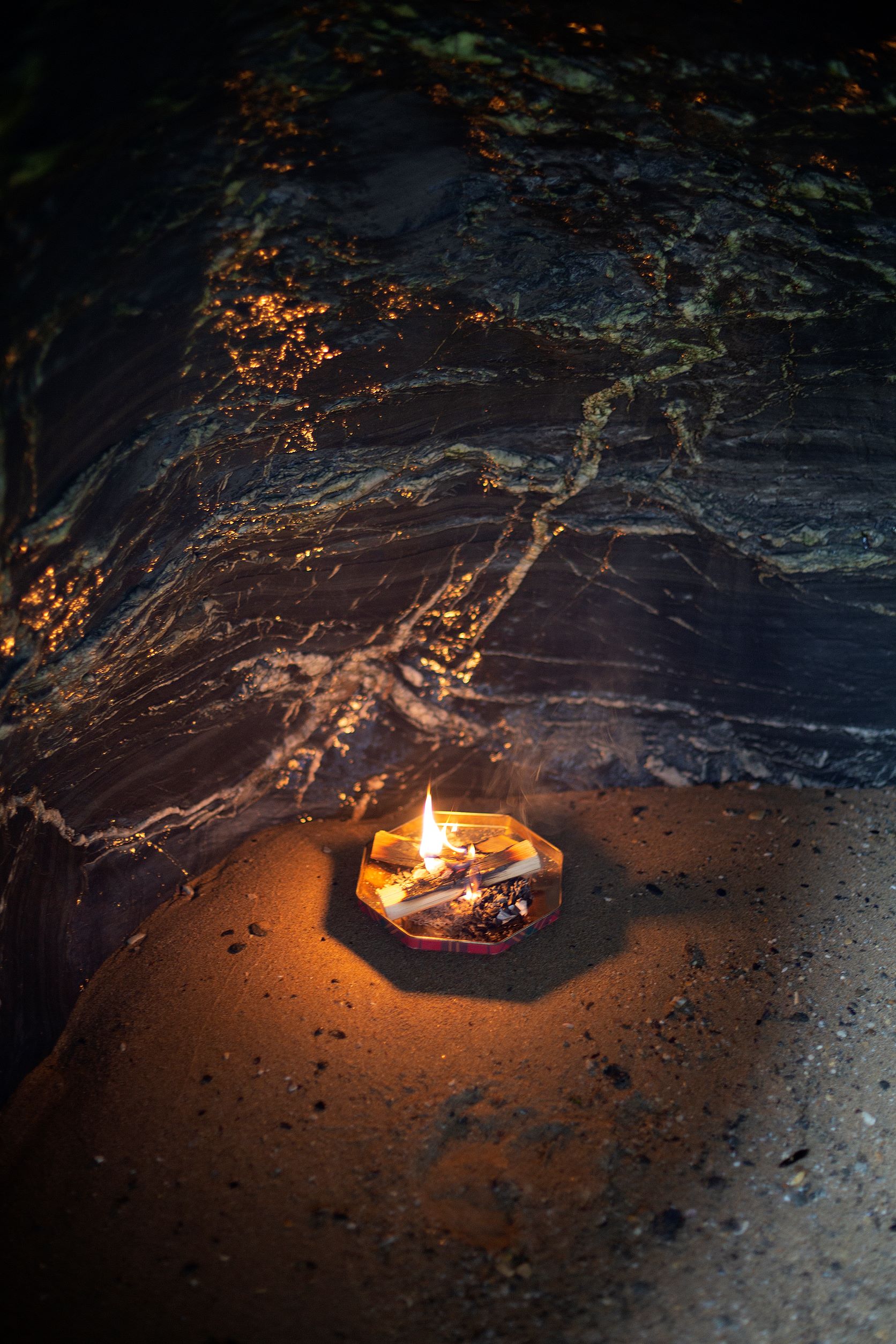
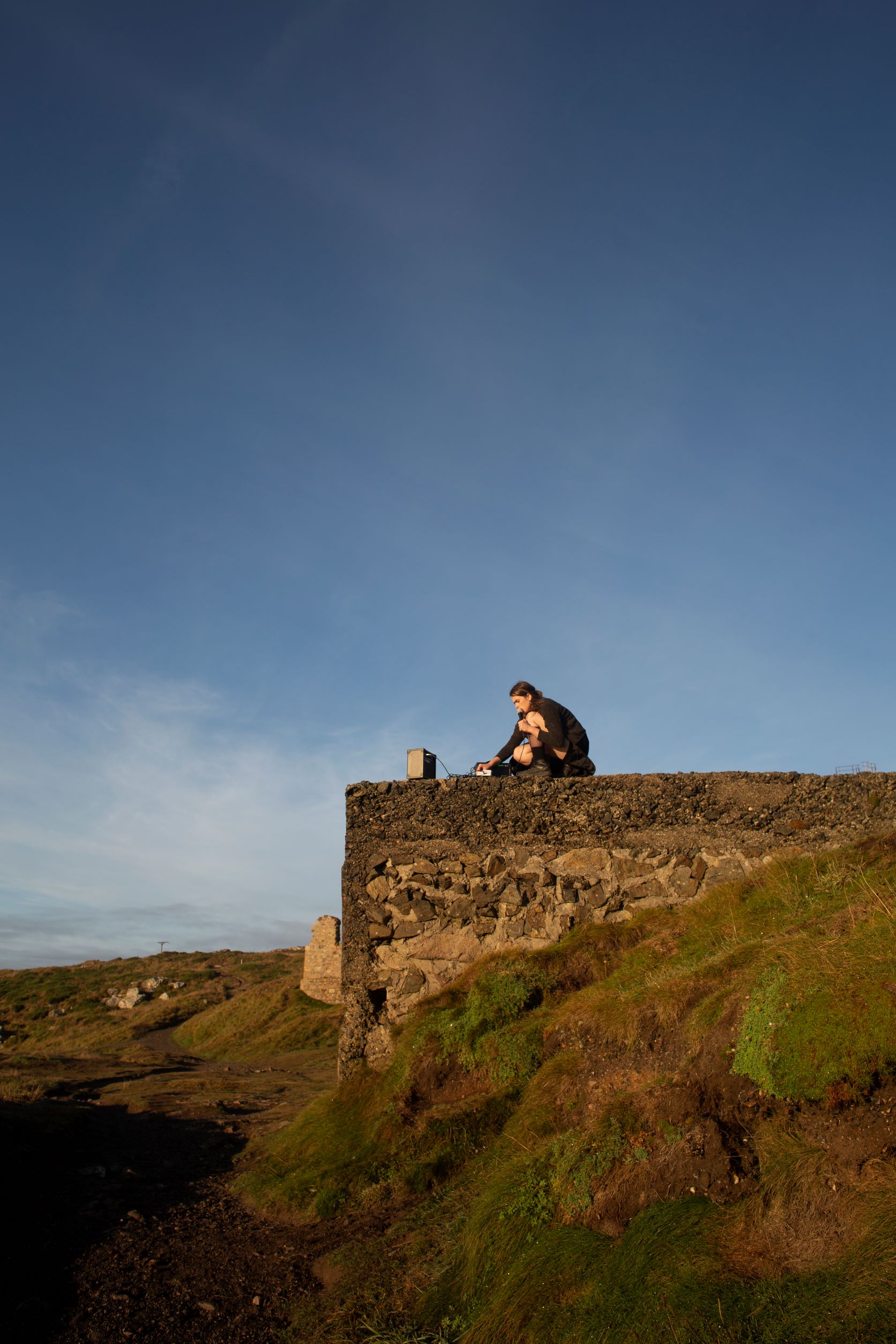
For each location of the project the idea was that we all brought work and then spent the day experimenting with showing the work alongside one another’s, and in connection with the location. Although we all brought work every day, the natural inclination was for the artist that had chosen the day’s location to take the lead on that particular day. Chosen locations were: Holywell Bay, Logan Rock, Botallack Mines, Porthcothan, Hayle Estuary and Gwithian (also Dean Quarry but dates didn’t line up for us to be able to visit). I personally could only attend for Logan Rock, Botallack Mines and Porthcothan, shown in the following images:











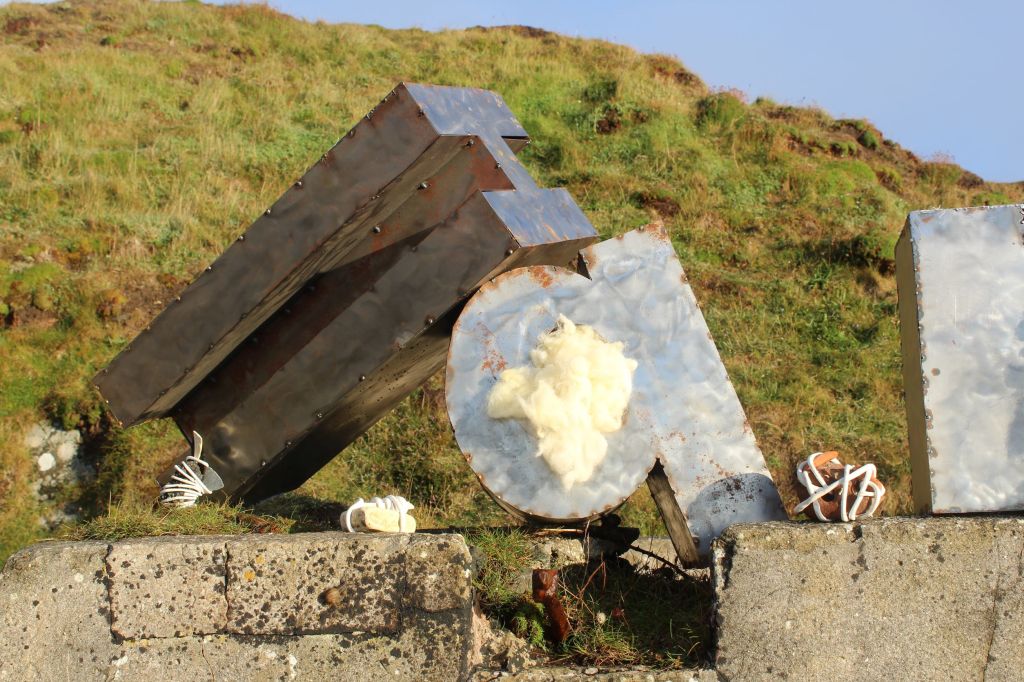


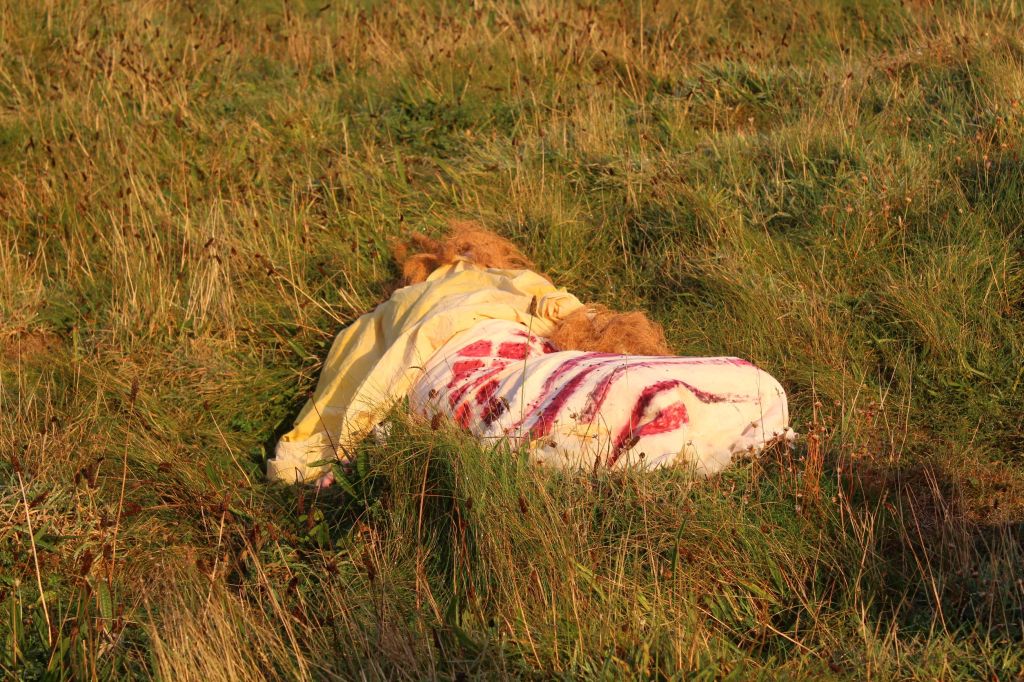
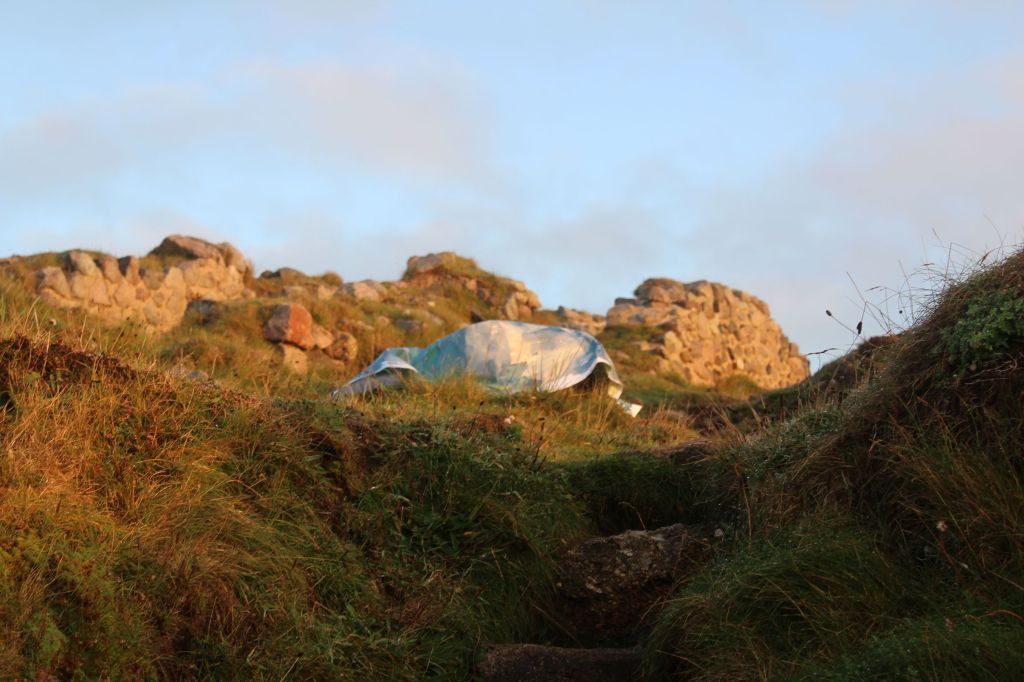


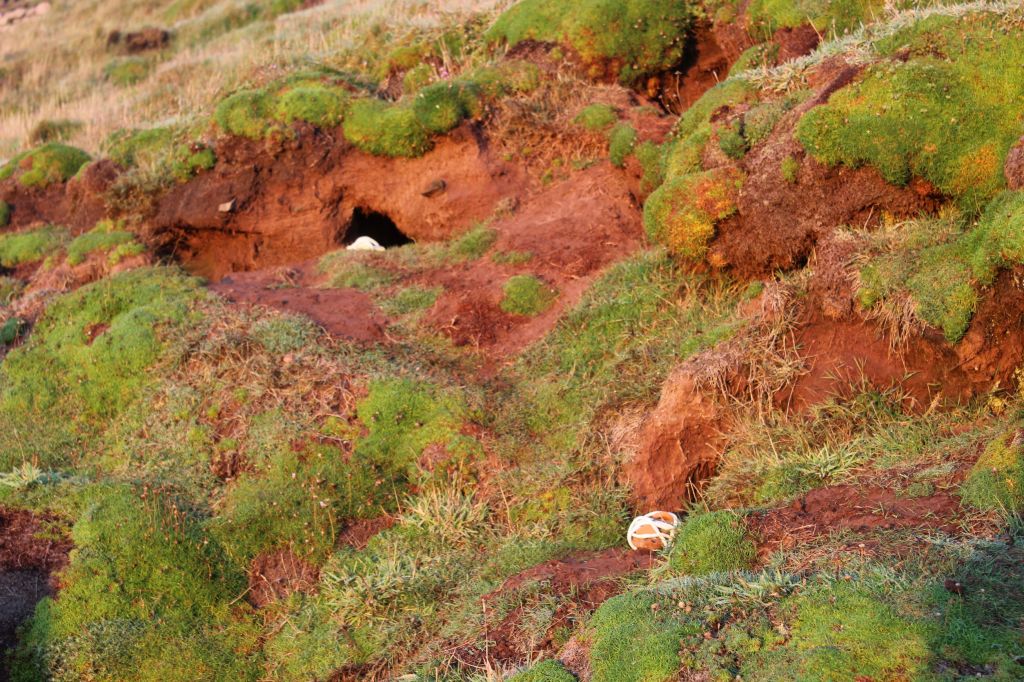
As well as the documentation from the day itself, Kei interviewed us all after and used the audio as part of the final film that was shown at Porthmeor Studios. The final film can be seen below:
In preparation for the day at Porthcothan I did some research on the area, as well as visiting the site beforehand as a method of more hands-on, speculative research. The following notes/ramblings are the results of these modes of research – they are quite stream-of-consciousness but there is some coherency, and eventually an idea emerges:
- Shape of landmass/hollowed out beach very sculptural – experiment with clay??
- Take scissors – cut grass and weave??
- Destroyed rock arch
- Cairn on grid reference?? -get os map app
- (Cornish: Porthkehodhon)
- In January 2014, storm Anne reduced a local arch, Jan Leverton’s Rock, to rubble. – link to wrecking season!! Jan leverton’s cove/island??
- https://nottingham-repository.worktribe.com/output/902574/a-new-continent-of-the-soul-dh-lawrence-porthcothan-and-the-necessary-fiction-of-cornwall
- “It seems as if the truth were still living here, growing like the sea holly, and love like Tristan, and old reality like King Arthur, none of this horrible last phase of irritable reduction”
- something like King Arthur and Tristan. It has never taken the Anglo Saxon civilisation, the Anglo Saxon sort of Christianity”
- Who could forget Lawrence’s wish (expressed in an extraordinary letter to Beresford) that he and his landlord could “exterminate all the natives and … possess the land. The barbarian conquerors were wisest, really. There are very many people, like insects, who await extermination”
- https://www.cornwalllive.com/news/history/gallery/inside-mysterious-woodland-cave-neolithic-4793222
- https://www.youtube.com/watch?v=USVLIlqxALE
- https://www.youtube.com/watch?v=GiYG7_t84tU
- wrecking season
- idea of the strandline
- I love it when words wash in – a tribute to nick darke
- Cornwall (Kernow) itself may actually be named after the cairns that dot its landscape, such as Cornwall’s highest point, Brown Willy Summit Cairn, a 5 m (16 ft) high and 24 m (79 ft) diameter mound atop Brown Willy hill in Bodmin Moor, an area with many ancient cairns. – from Wikipedia article on cairns
- skimming stones, anchor stones, cairns, damn stones, mooring stones, throwing for dogs, throwing into ocean, souvenir stone, timestone (to study), educational stone/study stone, play stone, stone to write/scribble stone, fire stone, path stone, building stone, sandcastle stone, weather stone, soap stone?, stacking stone, stepping stone
- Robert Smithson’s A Heap of Language
- residence time/resident’s time
- make piles – imposing order
- cast surfaces
- bring inland rocks?
- bury casts and have them poking out
- cast a load of plaster rocks, have them rolling in the waves – would they dissolve?
- rewatch wrecking season
- take something to be dismantled such as the paper mache pieces – use natural materials to tangle? seaweed? grass? hair? mud? clay?
- curate/gather/collect beach artefacts in a museum-like way
- archaeological dig?
- cornish word for stone?
- blank slates
- make a load of strange assemblages and bury them tumbling down the beach
- track something smaller
- make beach cairn – do local research
- stone circle/standing stone
- write poem in the sand
- cast directly from ground
- make a line of pebbles and watch it be swept away
- something to do with arch, especially lost material
- embrace the smallness in comparison to vast beach – things being hidden
- write instructions for each artist? to do with selecting stones
- make notes on practice – minimising environmental impact
- inscribe cornish words?
- stone for your thoughts
- thoughts in stone
- set in stone
- cornish cross
- i feel old
- i am tired
- i was here
- writing becomes a very physical, material encounter, almost wrestling against the stone
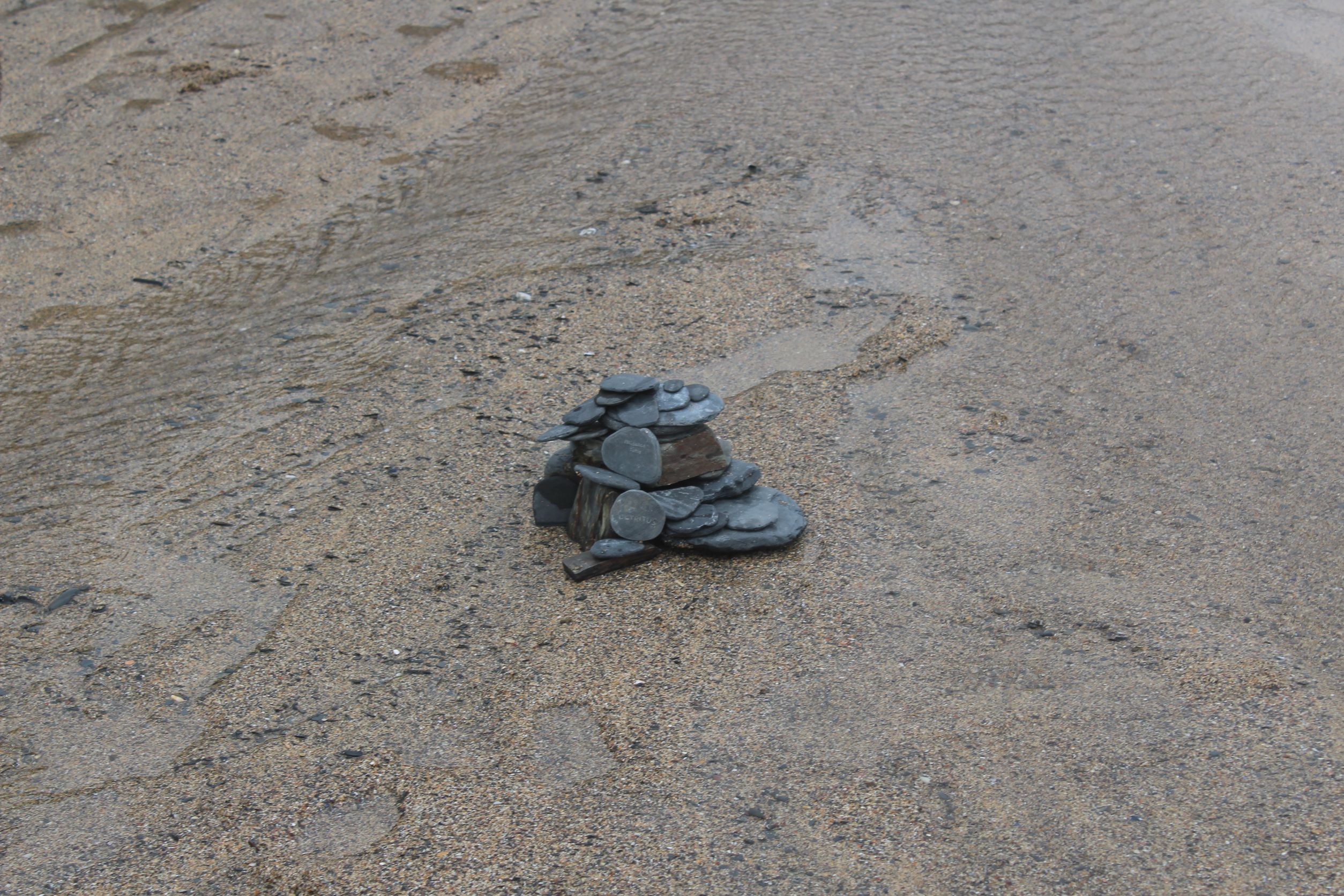
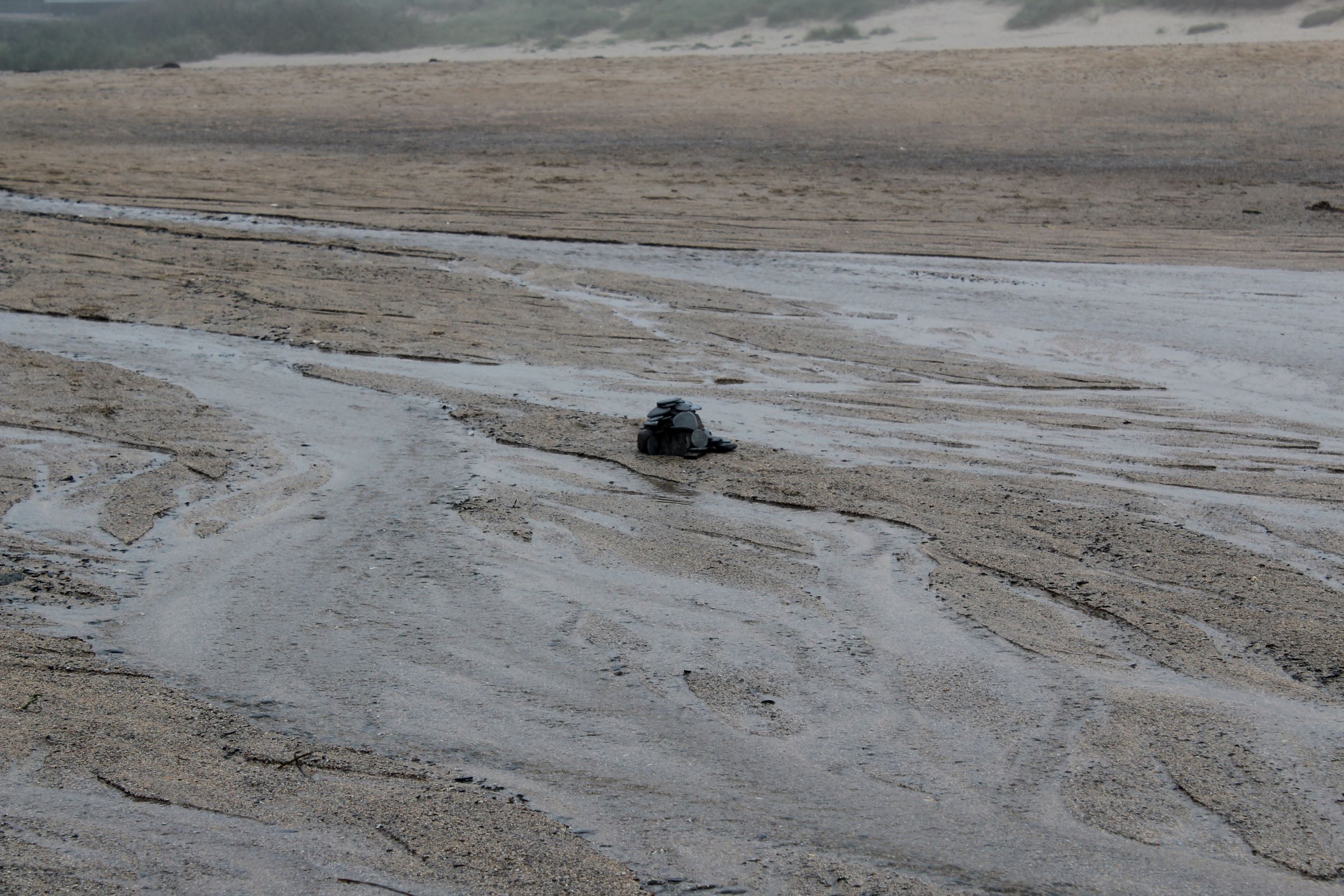
- cairn left to the tide (don’t wait for) and stones scattered across the beach, the writing eventually being worn away by water
- can have prompts for other ideas in instructions
- could have exactly on grid reference?
- cairn as memorial to lost arch? or trying to tie in too much?
- write your secrets in stone//and let them be eroded
- two sides to a stone (for inscription) – absence/presence, residence time/residents time
- make tangly sculpture but with slate and sand so blends in with porthcothan surroundings/materials
- ideas for stone inscription:
- ‘labels’ – i.e. skimming stone, stacking stone, scribble stone, souvenir stone
- Think about the layout either side of a rock, like either side of a coin – could you have opposites? Or near variations of one another? Absence/presence, permanence/impermanence
- Cornish words/things of local importance – Jan Leverton’s rock (the lost arch)
- my stones:
- Skimming stone
- Souvenir//stone
- Scribble stone//*scribble*
- Stacking stone
- Permanence//impermanence
- Residence time//residents’ time
- Jan leverton
- A blank slate
- Something Cornish?
- Being taken for granite
- They melt like mist the solid lands
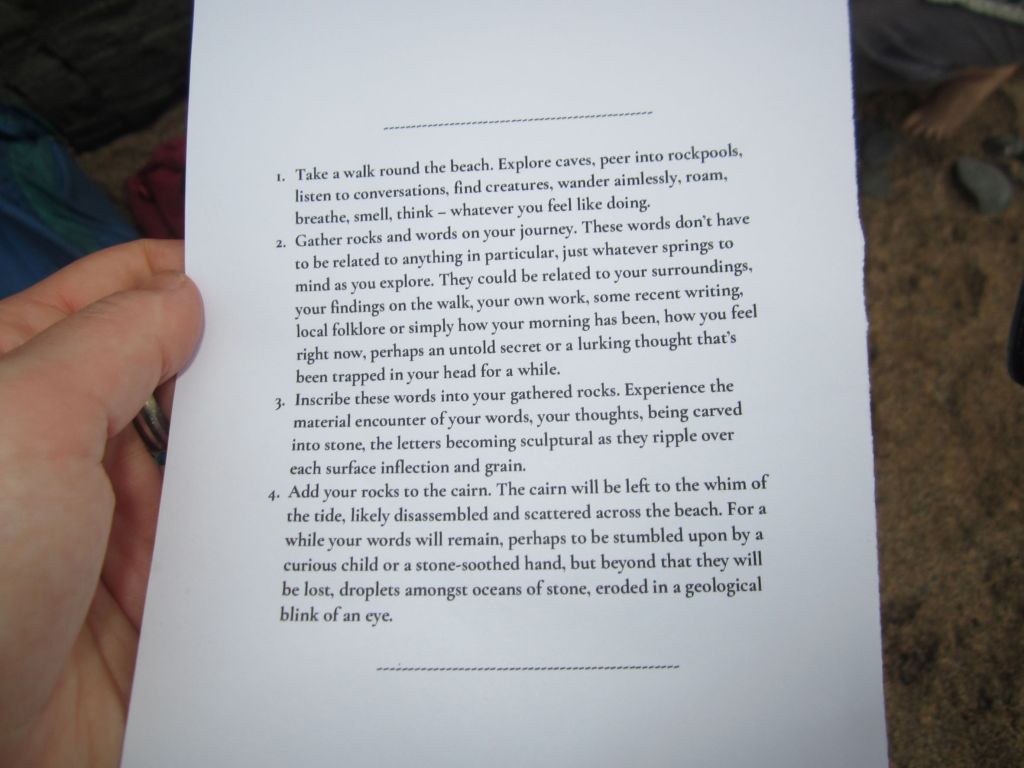
I essentially resolves to create a piece on location, with the help of the other artists, that responded somewhat to my previous piece brick bone glass stone. I wrote the following instructions and handed them out to the other artists upon arrival at Porthcothan:
- Take a walk round the beach. Explore caves, peer into rockpools, listen to conversations, find creatures, wander aimlessly, roam, breathe, smell, think – whatever you feel like doing.
- Gather rocks and words on your journey. These words don’t have to be related to anything in particular, just whatever springs to mind as you explore. They could be related to your surroundings, your findings on the walk, your own work, some recent writing, local folklore or simply how your morning has been, how you feel right now, perhaps an untold secret or a lurking thought that’s been trapped in your head for a while.
- Inscribe these words into your gathered rocks. Experience the material encounter of your words, your thoughts, being carved into stone, the letters becoming sculptural as they ripple over each surface inflection and grain.
- Add your rocks to the cairn. The cairn will be left to the whim of the tide, likely disassembled and scattered across the beach. For a while your words will remain, perhaps to be stumbled upon by a curious child or a stone-soothed hand, but beyond that they will be lost, droplets amongst oceans of stone, eroded in a geological blink of an eye.
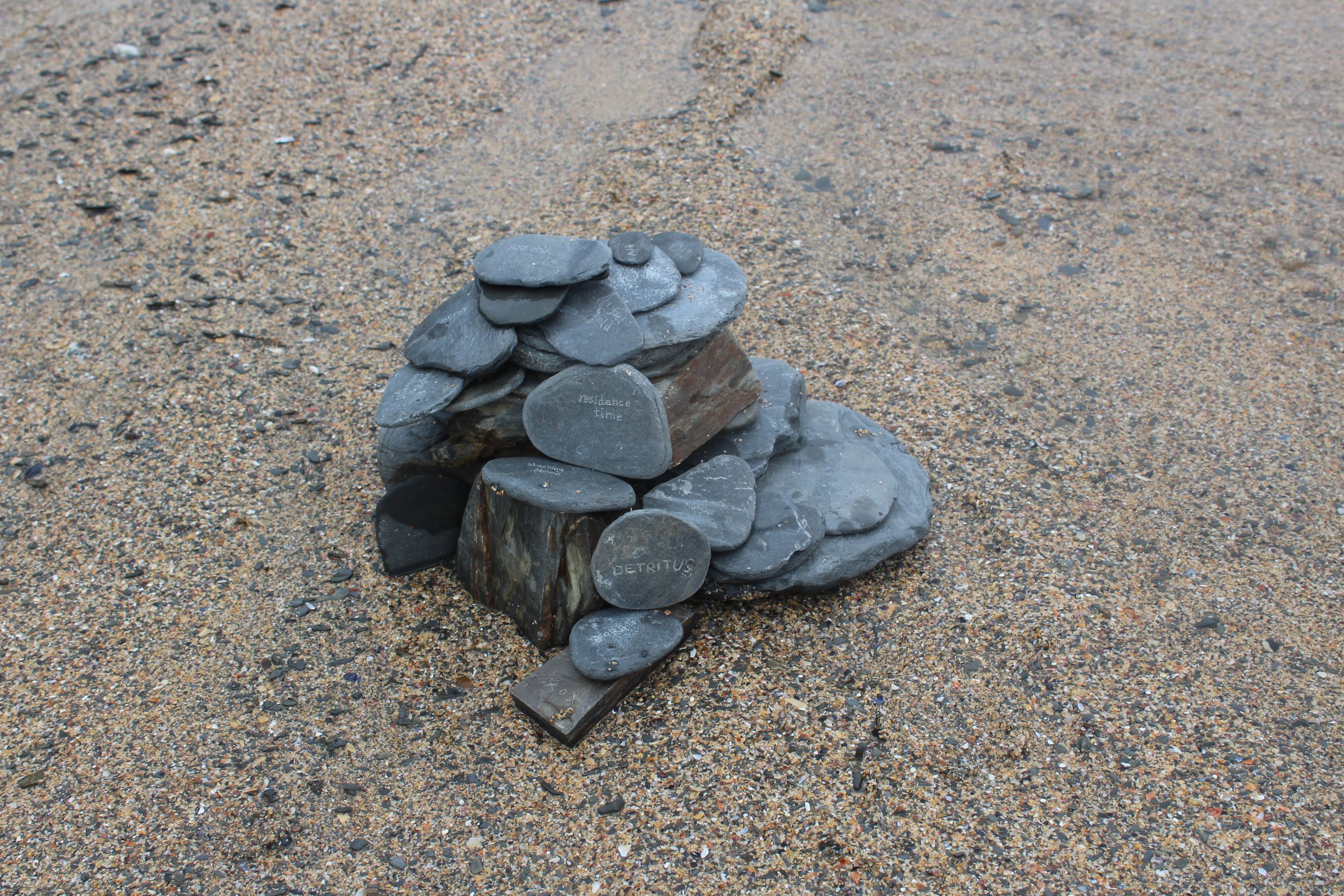
This was the final piece, which I’m considering titling a pebble for your thoughts:
These were the reflective/summative thoughts from my interview with Kei for the final film:
- Wrecking season – based on porthcothan
- ‘I love it when words wash in’
- Collision between language and form – also in Kei’s letters
- Interested in the way we categorise things – hence writing, particularly inscribing, on physical objects – removes space for nuance and close looking
- I like the gesture of leaving things as a gift to the landscape, but was trying to work out how not to be too environmentally impactful
- Also quite meditative
- Highlighting the agency of material – captured through the surrendering of art to the environment
- Idea of a heap of language
- Memorial to the lost arch??
- A playful, experimental piece through the random writing allowing me to incorporate multiple themes – some to do with the local history, some to do with my childhood memories/association, some to do with the material itself etc, the interaction between the two sides of the stone, and then obviously added to by the other members of the group
- Wanted to embrace the smallness of my art in comparison to the vastness of the Cornish landscape
- Writing becoming a physical, material encounter
- We’re etching ourselves in stone but it will still be eroded away fairly quickly
- I also like the idea of people finding e.g. a self-designated skimming stone
- Cairns used from the prehistoric to the present and for a variety of purposes: burial monuments, wayfinding, ceremonial purposes, mark important locations e.g. summits
- Often they are accumulative, added to by passers by etc (although perhaps this behaviour is not necessarily encouraged)
- Use of fabric more in my own practice now
- Small sculptures but loads in a kind of field make an interesting impact on a landscape
- Liza’s work made me consider other senses
- Nice to be pushed to do something a bit more performative, considering how works can be activated
And finally, my reflections on the experience as a whole:
- Out of my comfort zone but rewarding – seeing my work alongside others’ has shown me a lot about what I do and don’t like about my work
- In the installation sense of this project the fabric pieces were all very effective in being quickly and easily ‘installed’ in a landscape while adapting/being different in each one
- My own smaller sculptural pieces felt a little less fluid in comparison
- Smaller pieces are also difficult to exhibit/install outside due to their size as they can become somewhat dwarfed by the landscape. Having lots, however, to create a field of sorts was far more effective
- I liked the other artists’ use of very natural materials – my own pieces that were held together with air-drying (and therefore somewhat synthetic/artificial/processed) clay and glue guns didn’t feel as authentic in comparison
- On the other end of the scale Kei’s metal letters and Liza’s sound pieces were quite intentionally not natural materials but this equally worked well in noticeably disrupting the landscape, bringing something new to the environment
- I’ve learnt a lot about my own preferences in terms of performance – I feel a lot of my more ‘performative’ pieces (e.g. fake rocks and the cairn) are performances for me/the materials rather than needing an audience?? And in this way perhaps are more ritualistic than performative?
- It was interesting how I interpreted the brief as needing to leave something in the location whereas everyone else was perhaps more playful in bringing pre-existing art and then taking it away again at the end. This is a process I should investigate more – making work in the studio but then experimenting with activating it out and about, not necessarily planning from the off?
- I also need to consider how to document/show these works if they are more ephemeral and site-specific. Perhaps going back and looking at the rock tracking piece would help? The idea of having a film made of it is nice although brings into questions issues of an audience when I’d rather it felt more process-led and ritual-based
- I want to push my work further, exaggerating a growing, tangly nonhuman-ness. My sculptures seemed nicely confusing in the landscape but I think they could be exaggerated far more, particularly with more tentacular materials such as seaweed involved. Harnessing the formal properties of fabric, too, I think would be beneficial.
- It’s a case of sourcing fabric that fits in with the natural materials I want to use – perhaps dying the fabric as a lot of the other artists did would be a good route to pursue. Equally weaving my own ‘fabric’ from collected natural materials such as grass etc could work
- I want to make more work that harnesses the agency of the nonhuman rather than just me imposing a more superficial nonhuman ‘look’ onto gathered nonhuman materials. This is where pieces such as rock tracking are successful.
- My practice seems to be splitting into two strands of the tangly, nonhuman sculptures and the more performative releasing of things into the world. I have a growing interest in process, particularly where an external agency is involved (e.g. cyanotype), and also would like to look at more traditional craft-like ways of making – perhaps due to the repetitive and therefore ritualistic nature of these processes, and also as the final forms seem to be a celebration of the inherent qualities of material.

 Anna Harris