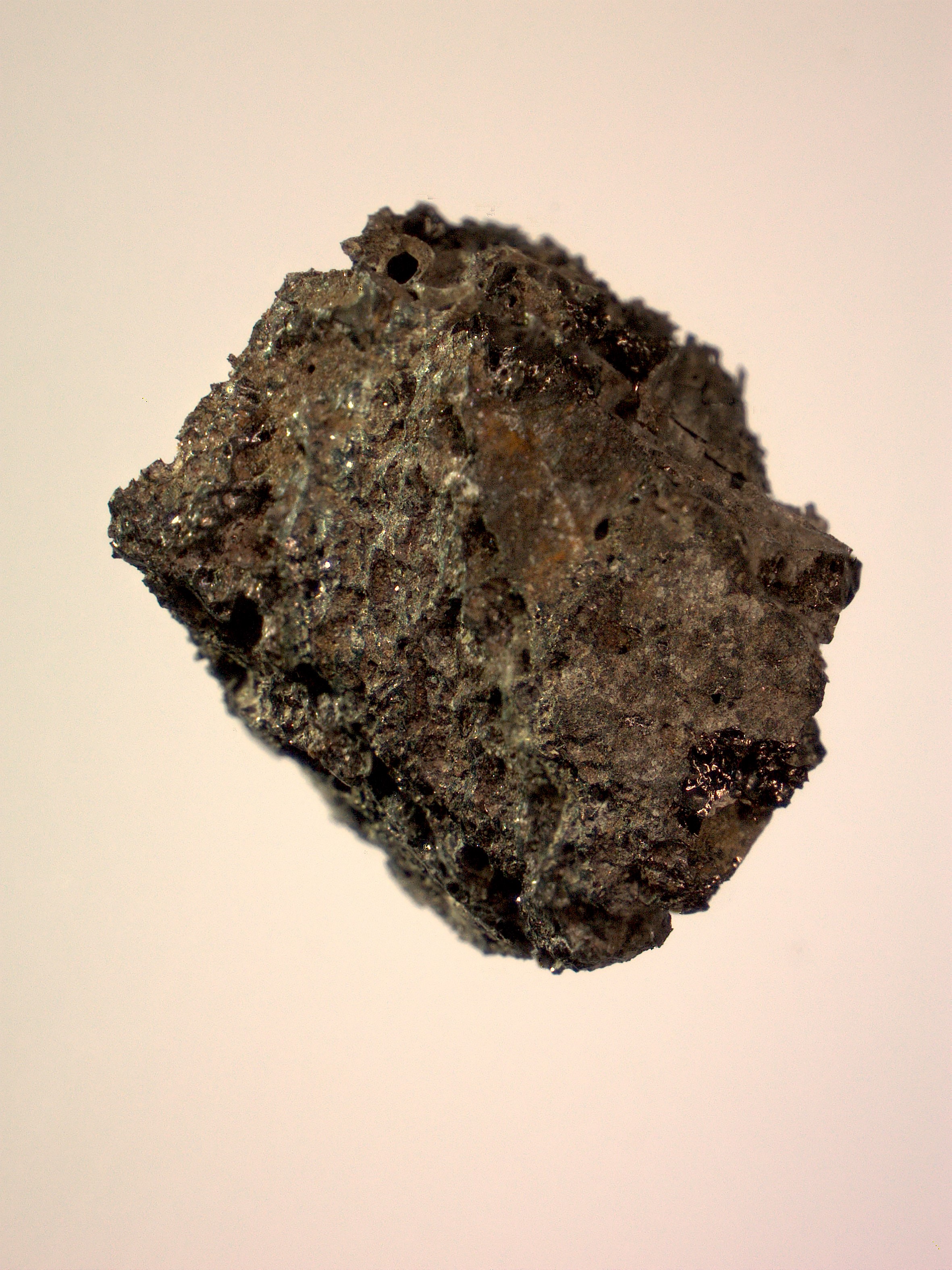
Invisible Worlds – Disintegrated Rocks
- collected materials that had been displaced by human activity and then examined them under a microscope
- ‘Images taken from this second round of investigation suggested topographies from other planets or galactic skies.’
- scientific basis to the works
- ‘many of the samples that I collected were tricky to identify due to being created as a by-product from smelting processes and human activity’ – blurry inbetween-ness of materials and categorisation
- ‘The microscope I was able to use was incredible, and yet there was always a bit of something that you couldn’t fully see, and as such the process of looking was completely addictive.’
- ‘I’m hoping to further explore these grey areas, of unknown materials, unseen places, and our desire to categorise the world in the next work I make.’


- man-made rocks made from various discarded and waste materials
- reminiscent of plastiglomerate


Fission – also very plastiglomerate-like


- ”Lagan’ – Old French word for cargo, equipment or wreckage lying on the sea bed, but attached to a buoy so that one day it can be recovered.’
- materials used described as ‘pewter, plastic and bone china accumulations‘


- ‘Series of small scale fragments, Glazed ceramic with melted metal’ – interesting the prominence the material list/definitions have
- ‘Metic – from the Greek metoikos, meaning ‘change’ and ‘dwelling’.’

Guideline for the Curation of Geological Materials
- ‘This collection is the result of seven years of collecting, experimenting, manipulating and firing found materials and ceramic ingredients. The resulting miscellany of specimens are both geological and manmade, part rock, part sculpture, part sample. Together they create a reference library which raises more questions about classification than answers.’
- ‘It is a new type of manmade material, unidentifiable due to the complexity of it’s making. Our inability to trace where it has come from demonstrates the sheer scale of new manmade materials that are coming into being through human activity.’
- interesting to see how similar themes/works to my own practice translate in an exhibition context – simply having large, high-quality prints displayed is really effective


- ‘The Lost Rock Library was a shared geological resource. An open invitation was sent out asking participants to donate rocks that they had found and rehoused. To submit a rock participants were required to draw it and answer questions about where and when it was found, and what it meant to them during the time they kept it. The rocks were sent in with the understanding that the original owners would not get them back, instead the rocks would go on to form a library where new rock admirers could browse the display and request to take one away on permanent loan.’ from this website
- might be interesting to do something similar for my own collection?
- also good to note the importance of good photography throughout, especially in terms of more process-based works such as these


 Anna Harris