‘[…] the interruption of the habit of looking through windows as transparencies enables the protagonist to look at a window itself in its opacity. As they circulate through our lives, we look through objects (to see what they disclose about history, society, nature, or culture – above all, what they disclose about us), but we only catch a glimpse of things. We look through objects because there are codes by which our interpretive attention makes them meaningful, because there is a discourse of objectivity that allows us to use them as facts. A thing, in contrast, can hardly function as a window. We begin to confront the thingness of objects when they stop working for us: when the drill breaks, when the car stalls, when the windows get filthy, when their flow within the circuits of production and distribution, consumption and exhibition, has been arrested, however momentarily. The story of objects asserting themselves as things, then, is the story of a changed relation to the human subject and thus the story of how the thing really names less an object than a particular subject-object relation.’ (Thing Theory, Bill Brown – window text)
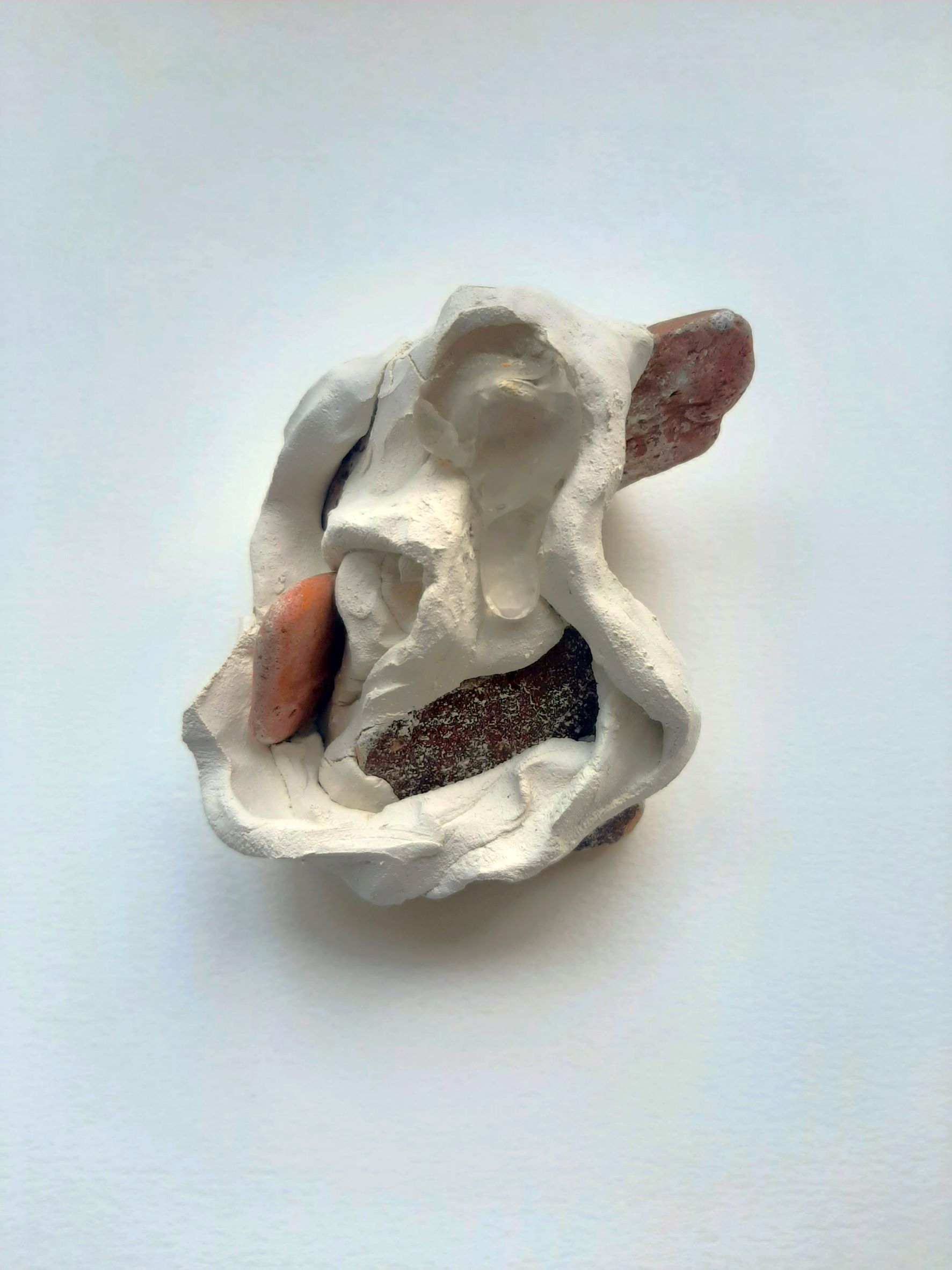
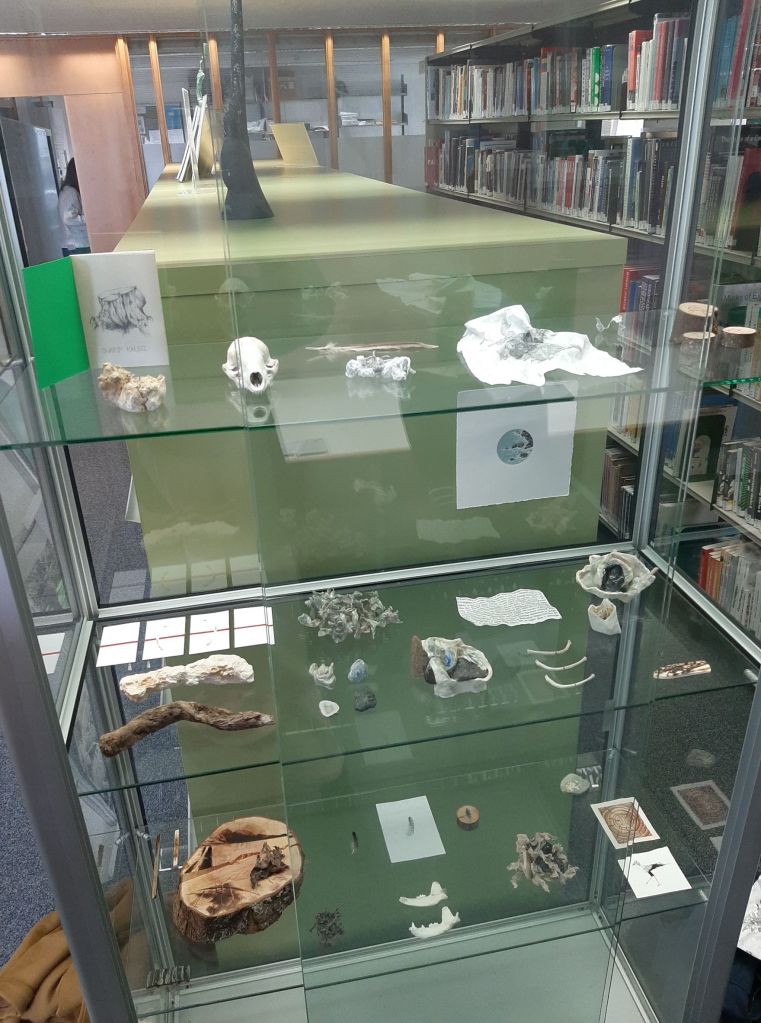
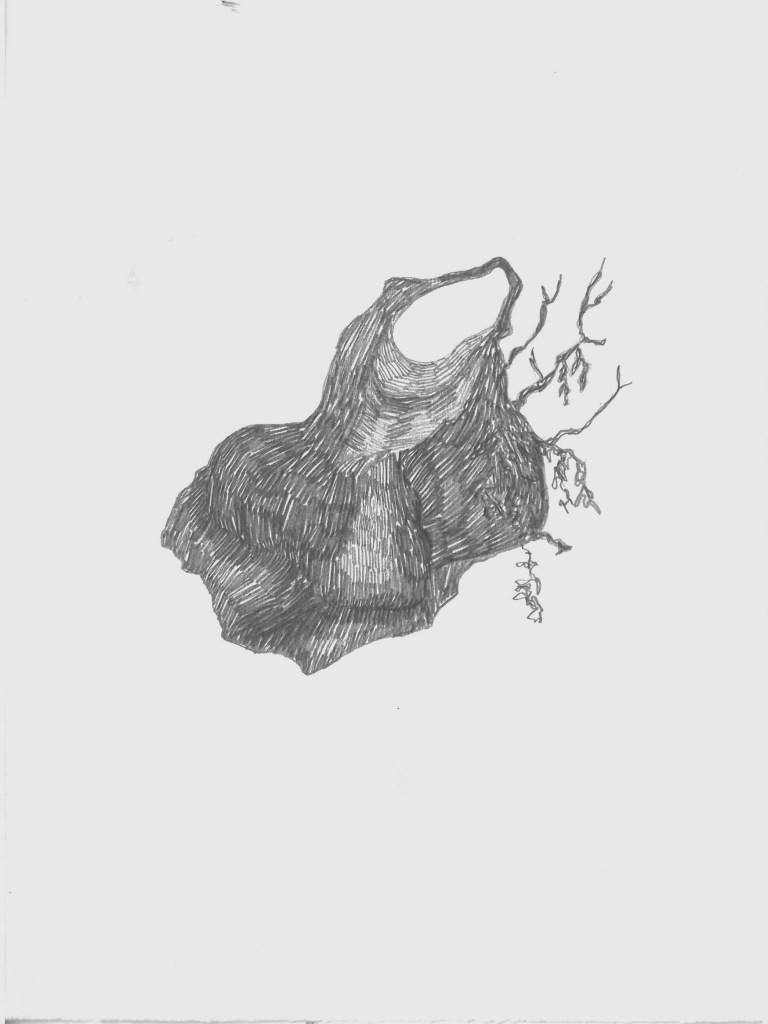
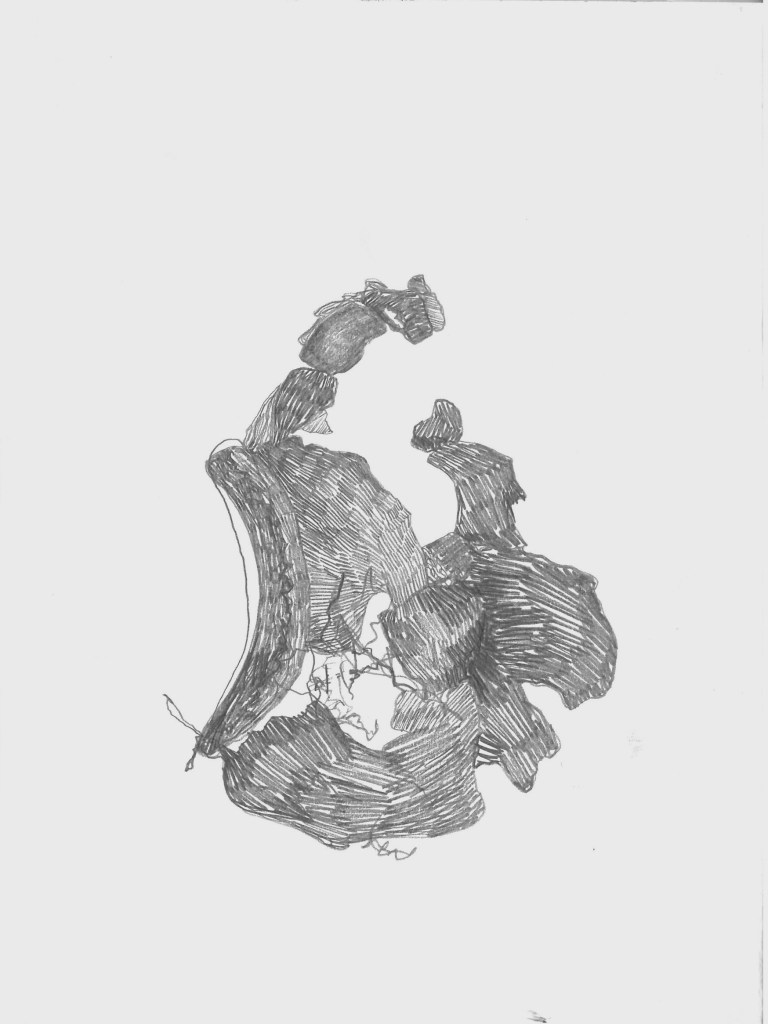
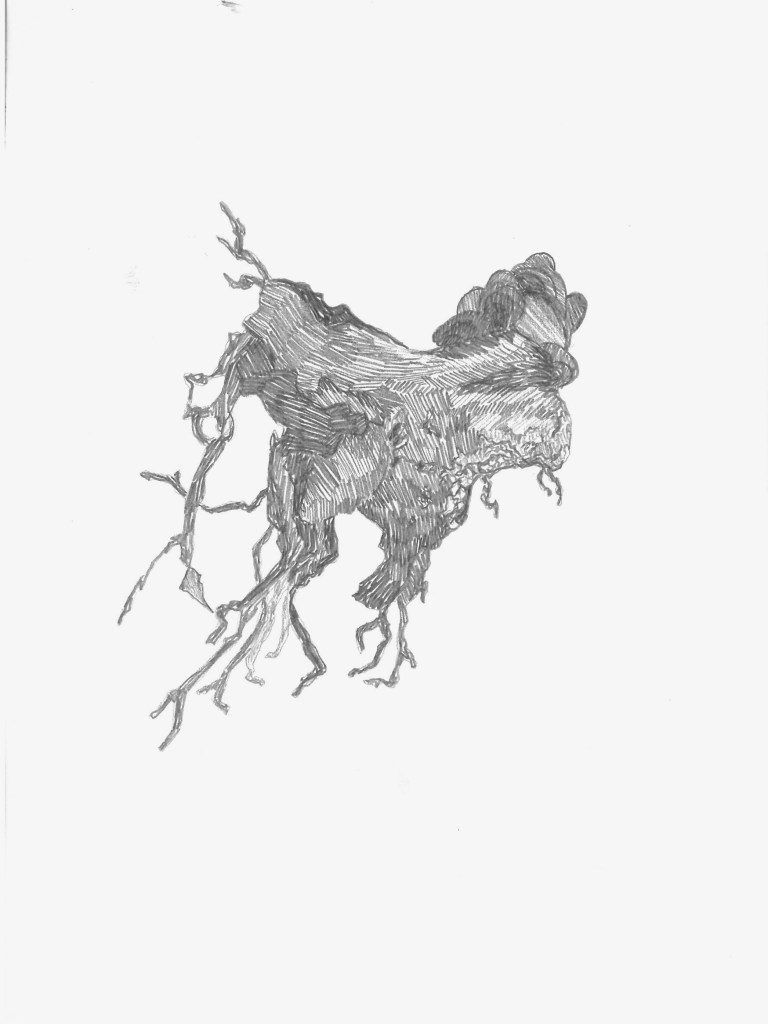
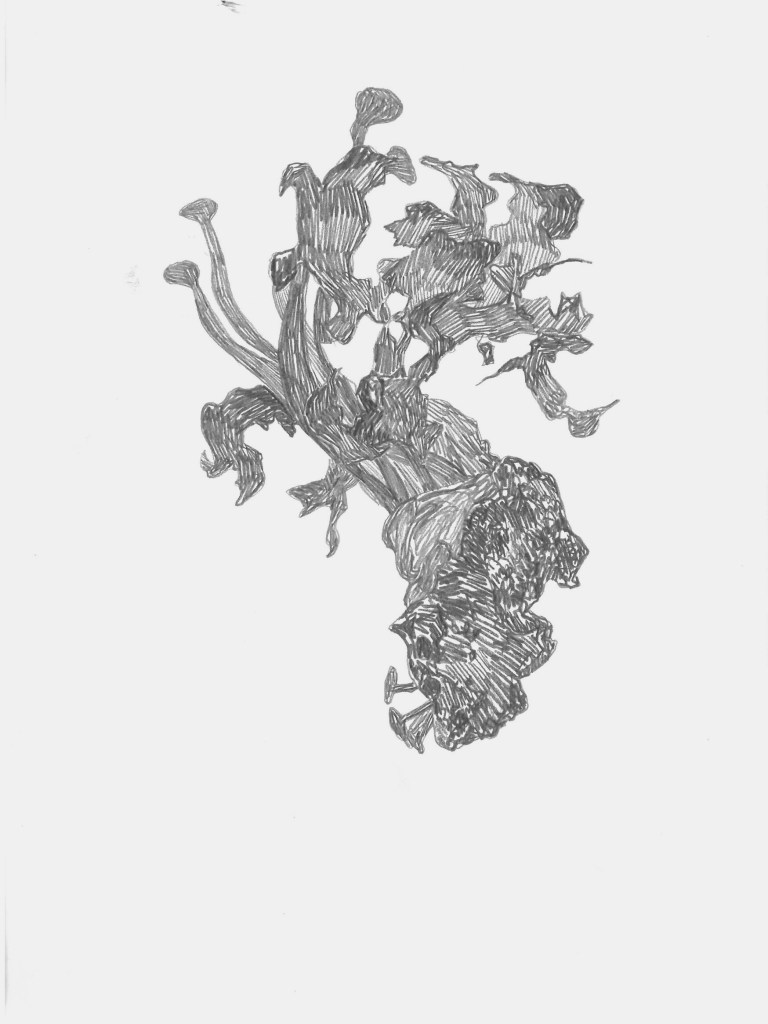
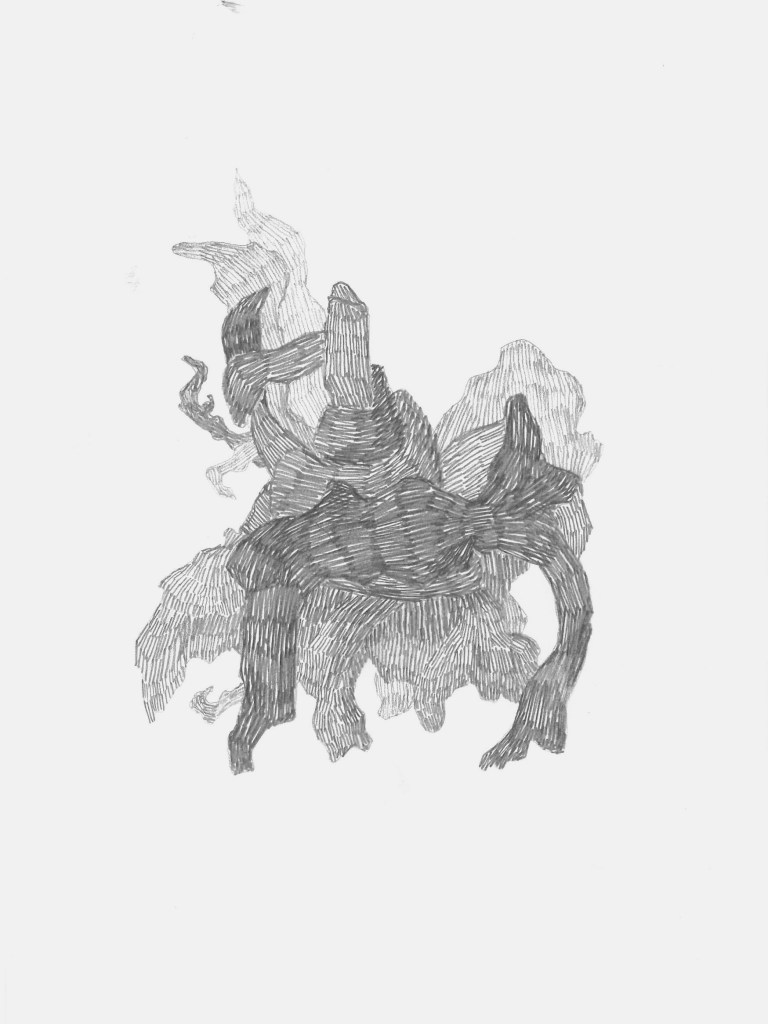
early paper sculpturepaper sculptures as maquettes/3D ‘thing’ drawingsGlass melted slightly after bisque firing – melts completely after glaze firingThe ceramics were designed to catch any melting glass so as not to fuse to the kiln shelf. This image also shows earthenware after bisque firing (not yet melted – melts at stoneware glaze temperatures).Incorporating paper into the body of the clay – this burns away during the firingPart of first iteration of display – a pile of found objects and artworks (a little too busy)Another early iteration of paper sculptures and found objects on displayFull image of first iteration of displaySecond iteration of display – more ordered, taxonomic – still mixing found objects and artworkAnother early paper sculpture – experimenting with window displayPlaying with using text as artwork, hiding details around the exhibition spaceBurnt out paper ash can be seen in this bisque-fired ceramicAt one point my paper sculptures became watery receptacles – a possible avenue for further explorationFiring anything likely to melt in dishes to protect kilnLibrary vitrine experiment #1 (my work only)Library vitrine experiment #2 (my work only)Library vitrine experiment #3 (both Izzy and I’s work)Library vitrine experiment #4 (both Izzy and I’s work)Library vitrine experiment #5 (both Izzy and I’s work)Some ‘thing’ drawings that weren’t included in the final exhibitWater soaked ‘thing’ drawings – some double-sided (a little too much/too many agencies at play in one piece)Pairing down the drawing to just mark-making to focus attention on the water-soaking processExperimenting with adding depth to the paper – only visible when hung in front of light sourceDouble-sided ‘thing’ drawing – shadow of other drawing shines through when against lightLargest piece of water-soaked paper (1.5m square)Bronze-cast seaweed (some in exhibit but not displayed as a collection)Bronze-cast seaweed (some in exhibit but not displayed as a collection) (detail)Bronze-cast seaweed (some in exhibit but not displayed as a collection) (detail)Bronze-cast seaweed (some in exhibit but not displayed as a collection) (detail)My collection of found objects gathered from intertidal zones, mostly strange, unidentifiable forms – used throughout the exhibitUnused ceramic (water-soaked before firing, experiment to mimic the paper pieces but in clay)Unused ceramicUnused ceramicUnused ceramic (water-soaked before firing)Unused ceramicUnused ceramicUnused ceramicUnused ceramicUnused ceramic (detail)Unused ceramic (detail)Unused ceramicsAll unused ceramics, as well as unused plaster cast and other miscellaneous (string, gesso and graphite) sculpturething drawings full documentation